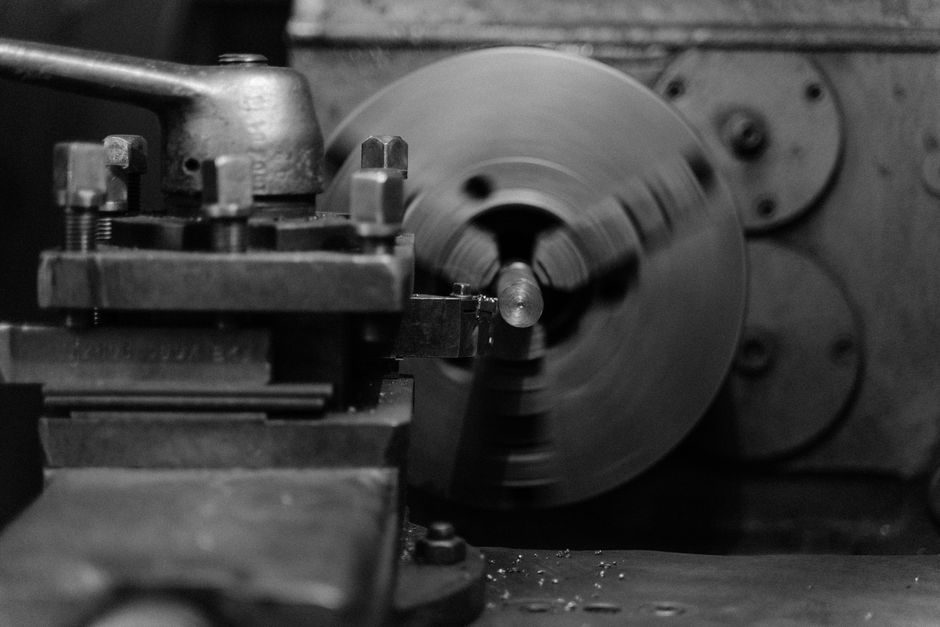
On 2026-06-23, the global die casting machine market is dominated by Asian OEM catalogues that publish tonnage from 25 ton micro-units to 9000+ ton cold-chamber giants, with the small-tonnage aluminium and zinc segment showing entry pricing near USD 10,000-22,000 per set on B2B marketplaces [S10].
Selection discipline in 2026 is alloy-driven: hot-chamber cells for zinc and lead alloys, cold-chamber for aluminium, magnesium and brass, and vacuum variants where porosity or weld-line strength is the release sign-off criterion [S3][S4]. The six gates below decide the build sheet before the brand shortlist even opens.
Gate 1 — Alloy Family Locks Chamber Type
Hot-chamber (gooseneck) machines are specified for zinc and lead alloys because the melt stays submerged in the shot cylinder, cutting cycle time and protecting the plunger from aluminium-grade attack; published zinc-cell offerings emphasise small-tonnage, EVA-film-fed caster layouts aimed at plumbing and decorative hardware [S2][S3].
Cold-chamber is the only credible answer for aluminium, magnesium, and brass above roughly 1 kg shot weight, and 2026 catalogues explicitly segment the product line by alloy rather than by tonnage alone — Longhua-style 1250 t cold-chamber aluminium cells are sold as one named SKU family, distinct from the zinc-cell SKUs [S7].
Vacuum-assist variants (vacuum die casting machine) sit on top of either chamber type when porosity or weld-line elongation is the release metric; the underlying architecture (hot or cold) is still set by alloy, not vacuum.
Gate 2 — Tonnage Class and Projected Area
Clamp tonnage is the headline number on every Chinese OEM datasheet and runs from 25 ton micro-cells through 800-1250 ton mid-range cold-chamber cells up to multi-thousand-ton structural castings cells [S3][S7]. The right number is roughly the projected casting area (cm²) multiplied by the alloy-specific intensification pressure (MPa), plus a 10-15% safety margin to absorb the in-cushion peak during fill.
Under-sizing tonnage is the single most common field failure mode: tie-bar deflection, flash at the parting line, and die-pad deformation show up within the first 2000-3000 shots when the calculated clamp force sits inside ±10% of the alloy's intensification pressure. Over-sizing wastes capex, footprint, and energy — a 1250 t cell draws roughly twice the hydraulic or servo-electric idle power of a 630 t cell.
Gate 3 — Shot Weight, Plunger Diameter, Specific Pressure
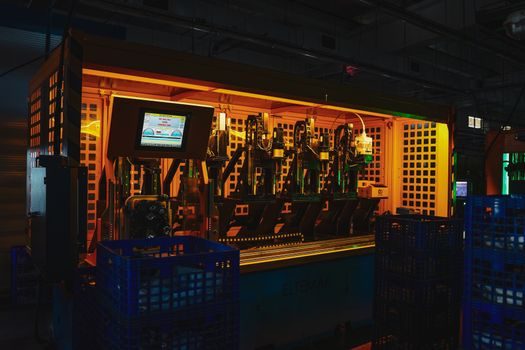
Shot weight and plunger diameter set the casting's mass envelope and the injection profile, and the published mini-tonnage offerings on global B2B portals are explicitly framed around small zinc and aluminium hardware (door handles, radiator sections, small enclosures) with cycle times in the 30-90 s band [S2][S7][S10].
The data to validate on the OEM datasheet: maximum shot weight (kg), plunger diameter (mm), specific injection pressure (MPa), and dry-cycle time. If a 25 ton micro-cell is being proposed for an aluminium part above 0.5 kg projected, the spec is wrong — the chamber fill ratio and the intensification pressure will both be marginal.
Gate 4 — Cold vs Hot vs Vacuum Chamber Geometry
The chamber-type decision is a three-way comparison, and getting it right up front kills most re-tooling rework later [S3][S4].
The three families in the 2026 OEM catalogues (cold chamber die casting machine, hot chamber die casting machine, and vacuum die casting machine) differ on at least four engineering axes: alloy compatibility, shot-weight envelope, cycle time, and porosity control.
A 2026 build-sheet rule: zinc/lead → hot-chamber, ≤1 kg; aluminium, magnesium, brass → cold-chamber; aluminium or magnesium parts with radiographic or fatigue-class acceptance → vacuum-assist cold-chamber. The decision criterion is not "which is newer" — it is the alloy's melt temperature and reactivity against the cast iron shot cylinder.
Gate 5 — Cycle Time, Automation, and Auxiliaries Envelope
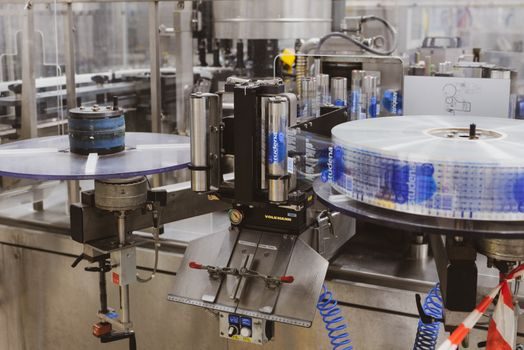
Cycle-time budget (spray, pour, inject, cool, eject, extract) is the second biggest capex driver after tonnage, and 2026 OEM build sheets now publish it as a feature: SUMHONG and similar suppliers position "standardisation of production process and after-sales service" as a competitive lever, with cells offered with integrated auto-spray, auto-ladling, and extraction robots [S4][S7].
The auxiliaries envelope includes die-temperature control units, automatic spray robots, trim presses, and downstream machining cells; specifying a 1250 t cold-chamber aluminium cell without budgeting the die-preheat, spray robot, and downstream trim cell delivers a cell that idles on the most expensive hour of the shift. The published aluminium-cell SKUs are pre-engineered around this stack [S7].
Gate 6 — Process Control, Repeatability, and Hydraulic vs Servo-Electric
Process control on 2026 cells is dominated by closed-loop shot profile, real-time cushion monitoring, and tie-bar-strain feedback, with OEM pages emphasising "constant quality" and "operational reliability" as the headline value propositions [S1][S4]. Hydraulic presses remain the default; servo-electric injection is offered on premium SKUs for cycle-time and energy savings, but the decision should be made on the process-control fidelity, not the motor type alone.
Repeatability specs to demand: shot-weight repeatability (typically ±1-2% on premium cells), cushion position repeatability, and injection-end-point repeatability. Without those on the datasheet, the cell is a 1990s hydraulic press with a 2026 HMI.
Who This Build Sheet Is For — And Who It Is Not For
The six-gate method fits plant engineers, process engineers, and procurement teams who already have a part drawing and an alloy pick. It is less useful for general "what is a die casting machine" overview requests, and the same OEM ecosystem serves that audience through glossary pages [S5]. For buyers comparing a process-cell spend against alternative metal-forming routes (investment casting, CNC from billet, plastic injection moulding with metal insert), the same gate sequence still applies — start with alloy, end with auxiliaries.
Engineers who already run a ball bearing selection or pH meter selection workflow will recognise the same pattern: hard gates before brand, datasheet numbers before catalogue adjectives. Die casting cell selection follows the same discipline.
Limitations, Failure Modes, and Sourcing Constraints
The biggest 2026 sourcing constraint is documentation asymmetry: Western OEM datasheets typically publish shot-weight, specific pressure, and dry-cycle; many Asian catalogue SKUs publish tonnage and price and leave process-control spec to the quote stage [S10]. Always request a full datasheet before issuing a PO, and require a sample-part trial in the cell before the final tonnage lock.
Common failure modes that this gate method aims to prevent: hot-chamber zinc cells being quoted for aluminium hardware, cold-chamber cells being over-tonnaged by 50% to "be safe", shot weight exceeding the plunger fill ratio, and auxiliaries being scoped out of the capex envelope. The fix is mechanical — the six gates, in order, before any brand talk [S3][S4][S7].
Trackable signals over the next quarter: Asian OEM launches of mid-tonnage servo-electric cold-chamber cells, broader publication of closed-loop shot profile in entry-level SKUs, and a tightening of cycle-time and repeatability claims on B2B marketplace listings. Cross-check these against the aluminum die casting machine, magnesium die casting machine, and gravity die casting machine reference pages as new 2026 SKUs land.