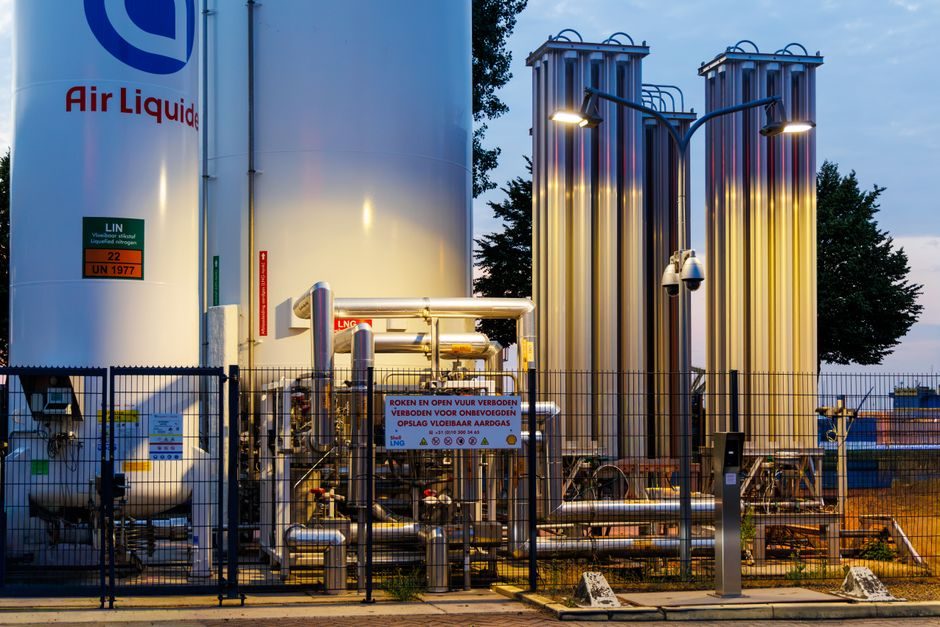
A correctly specified combustible gas detector line is built around four engineering decisions: target gas, sensor technology, power source, and area classification, with installation height and distance-to-source set by the gas density relative to air [S1][S2][S3].
The 2026-05 to 2026-06 manufacturer catalogue window shows the dominant form factors are still AC220V/AC110V wall units for domestic CO monitoring, catalytic-bead pen detectors for LPG cylinder checks, and ATEX-rated IP67 portables for confined-space entry [S1][S2][S3].
Sensor Technology and %LEL Range: Catalytic vs Semiconductor vs Electrochemical
Catalytic-bead sensors are specified for combustible hydrocarbon measurement in the 0–100% LEL range; the Hanwei BX166 pen detector runs a catalytic element on 2 × 1.5 V AA alkaline cells with audible + visual alarm at a preset trip point, with auto zero calibration on power-up [S3].
Semiconductor sensors are used in portable multi-gas instruments covering methane, propane, butane, pentane, hexane, heptane, octane, benzene, acetone, ethanol, LPG, natural gas, oxygen, and hydrogen at LEL fractions, as on the New Cosmos XP-3000II series that supports up to five combustible target gases selectable from a 32-gas library [S2].
For CO-only domestic monitoring, electrochemical cells dominate the AC-powered wall format: the Hanwei GK runs on AC220V or AC110V, uses a plug-in sensor module designed for field change and recalibration, and gives a visual LED plus audible alarm at the preset CO threshold [S1]. Electrochemical CO cells are the right call for residential wall outlets; catalytic LEL sensors are wrong for CO.
Power Source and Wiring Topology: Mains, Battery, or Rechargeable
Fixed mains-powered units such as the Hanwei GK accept AC220V or AC110V and are designed to plug into a standard wall outlet for residential CO protection; sensor replacement is the field-service operation, not the electronics [S1].
Portable catalytic pen detectors such as the BX166 run on 2 × 1.5 V AA alkaline cells, a deliberately low-voltage rail so the unit stays intrinsically safe for domestic cylinder and pipeline leak checks [S3].
Multi-gas portables such as the XP-3000II offer a selectable power supply: 4 × AA alkaline or 4 × AA rechargeable Ni-MH, with a 1 m gas sampling tube, shoulder strap, drain filter, filter element, and three screen-protector films in the standard kit [S2]. When the duty cycle is daily confined-space entry, Ni-MH is the lower total-cost path; when the unit sits on a shelf for monthly spot checks, disposable alkaline is operationally simpler.
Area Classification: Intrinsic Safety, ATEX, and IP Rating
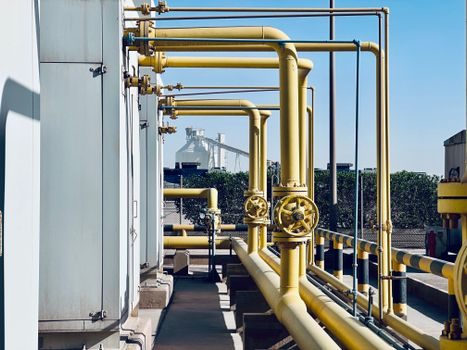
Confined-space and process-plant portables must carry an Ex-rating and an ingress figure. The New Cosmos XP-3000II is listed with ATEX certification, IP67, sounder, real-time data logging, LCD display, and pre-calibrated sensor modules [S2]. IP67 here means dust-tight and temporary immersion to 1 m — sufficient for manhole and tunnel entry, not for permanent submersion.
Portable detector packages sold into the Chinese domestic market such as the TC-BO3-3 from Isweek are described as "intrinsically safe explosion-proof," with the datasheet explicitly using that wording in the product specification row [S5]. When a tender specifies "intrinsically safe," confirm the certification number and the Ex-marking string on the nameplate — a generic "explosion-proof" statement in marketing copy is not a substitute for a notified-body certificate.
For fixed detectors on a plant wall, an ATEX category 2 or category 3 marking, plus a published ambient temperature range and cross-sensitivity table, is the minimum to specify in the datasheet review. The OEM's published ambient range on the unit must bracket the worst-case site temperature; on catalytic-bead detectors the lower explosion limit response drifts at low temperature, so the spec sheet figure is the only verifiable number.
Installation Geometry: Height, Distance, and Gas Density
For gases lighter than air (natural gas / methane / hydrogen), detectors should be mounted above the potential leak source, typically within 0.5–2 m of the ceiling. For gases heavier than air (propane / LPG / butane / most refrigerant leaks), the detector goes below the source, typically 30 cm above floor and within a horizontal radius of a few metres of the appliance or valve. [S1]
Pen-type leak detectors such as the BX166 are not fixed-installation hardware — they are hand-held sweep tools. The catalogue use case is "to check if there is any leakage on the LPG gas cylinders or natural gas pipelines at home," with the audible tone shifting as the sensor tip approaches a leak [S3]. Treat the pen as a survey instrument, not a Life Safety detector.
Fixed wall units such as the GK plug into an AC socket in the room where the appliance sits; for whole-home coverage in larger residences, install one unit per sleeping area and one per fuel-burning appliance, following the OEM's CO-specific siting guidance rather than generic LEL rules [S1].
Selection Comparison: Fixed vs Portable vs Pen

Across the four decision criteria — coverage (24/7 fixed vs spot-check), target gas (single CO vs LEL hydrocarbons), power (AC vs disposable AA vs rechargeable), and area class (domestic vs ATEX zone) — three form factors dominate the 2026 catalogue: the Hanwei GK as the fixed AC CO monitor, the BX166 as the cheap LEL pen detector, and the XP-3000II as the ATEX multi-gas portable [S1][S2][S3].
Cost band from the China-made-in-China 2026-05 listings: addressable home combustible gas detectors in the Made-in-China catalogue cluster around US$22.74–US$26.36 at 10-piece MOQ from Hebei Zehong Technology; the typical fire-alarm control panel with detector sits at US$400–US$480 at 1-piece MOQ from Shenzhen Xinhean Technology [S7][S8]. Henan Ronghe Import & Export lists portable, fixed, and monitor form factors together, with a stated supply ability of 5,000 pieces per month on its gas detector lines [S4].
Decision rule: if the hazard is residential CO, specify an AC220V/AC110V electrochemical wall unit; if the hazard is LPG or natural gas at the appliance, specify a fixed LEL unit plus a BX166-class pen for sweep testing; if the work is daily confined-space entry, specify an ATEX IP67 multi-gas portable with Ni-MH batteries and a confirmed sensor cross-sensitivity table [S1][S2][S3].
Cross-Sensitivity, Calibration, and Sensor Service Life
Cross-sensitivity to non-target gases is the dominant cause of false alarms on catalytic and semiconductor LEL sensors. The XP-3000II's 32-gas target list — covering methane through octane plus aromatics and oxygen — is a direct response to this, and the OEM ships the unit pre-calibrated with selectable target gas in the field [S2].
Calibration discipline separates a working detector from a decorative one. The GK wall unit is built around a plug-in sensor module designed to be changed and recalibrated as a single part, rather than a sealed disposable [S1]. The BX166 pen offers auto zero calibration on power-up plus a small zero-drift spec over its operating temperature range [S3].
Track the service interval by sensor type: electrochemical CO cells are typically rated for several years in residential duty cycles, catalytic LEL beads are more sensitive to poisoning by silicones, lead, and sulphur compounds, and semiconductor cells drift with humidity. Always keep a calibration gas cylinder of certified concentration on site if you are doing bump tests on a fixed detector.
Compliance and Sourcing Notes for China-Region Procurement
For shipments into China, combustible gas detector imports fall under HS-code 9027 custom-classification, with China Customs requiring declaration entries on brand type, export preference, principle (technology), portable/fixed form, brand name in Chinese or foreign language, model number, GTIN, CAS, and other attributes per the 2026-06-13 customs listing [S6].
Domestic-market models in the 2026-05 Made-in-China catalogue carry CE marks and "fast response" / "MCU + SMT process" marketing claims, but the CE certificate status is "contact issuer" rather than a published certificate number [S8]. Treat the CE mark as an indicator, not a proof point — request the certificate PDF with the notified-body number before acceptance.
Lead-time signal to watch on this category: Henan Ronghe's gas-detector range lists a 5,000-piece-per-month supply ability, which is the kind of capacity figure that compresses lead time for fixed detector orders in the second half of 2026 [S4]. The two parallel catalogue streams to monitor are addressable system detectors (US$400–US$480 panel-and-detector tier) and standalone home units (US$22–US$26 tier); spread orders across both so a single supply disruption does not stall the project [S7][S8].
For component-level specifications, see linear guide, and crossed roller guide.
For related coverage, see Urethane Casting Selection Guide: Volume, Tolerance and Material Gates.