A combustible gas detector is a single-purpose instrument tuned to the lower explosive limit (LEL) of flammable vapors such as methane, propane and gasoline; a general gas detector is a category that includes that device plus toxic gas detectors, oxygen meters and multi-gas detectors measuring several hazards in one enclosure [S1][S2].
The 2026 market splits the family into fixed wall-mount units (KB-501SG, four-digit CNY pricing around US$255 per piece at 1-piece MOQ) and portable four-gas or single-gas units such as the Hanwei E4000 and the TC-BO3-3 [S1][S4][S5]. Henan Zhong An (ZAD) and Nuoan ship both styles, with Nuoan additionally bundling alarm controllers, gas analysis skids and explosion-proof audio-visual alarms for plant-wide monitoring [S2][S3].
Sensor Element: Catalytic Bead, IR, Electrochemical, PID
Combustible-only instruments overwhelmingly use a catalytic-bead (pellistor) pair or a non-dispersive infrared (NDIR) cell, because LEL fractions of 0–100% in air are the quantity of interest and both technologies saturate cleanly at the upper flammable limit [S4].
Toxic gas and O2 channels require electrochemical cells (CO, H2S, Cl2, NH3) or a galvanic O2 sensor, while volatile organic compounds at sub-ppm levels are usually read with a photoionization detector (PID); the Hanwei E4000 multi-gas instrument is advertised for combustible gas plus CO plus toxic gas, indicating a stack of pellistor/NDIR plus at least one electrochemical channel [S1]. The RX-415 replacement variant for the legacy RX-8000(HC/O2-L) covers a combustible channel with an O2 channel, which is the standard refinery-confined-space pairing [S6]. Sensor count directly drives warm-up time, calibration interval and unit cost on the BOM line.
Performance Numbers: Range, Response, Accuracy
Fixed LEL detectors are typically specified 0–100% LEL with 1% LEL resolution and a T90 response under 30 s; portable TC-BO3-3-class units sit in the same LEL range but trade accuracy for size, generally ±5% FS at calibration [S4][S5].
Electrochemical toxic cells are usually 0–100/500/1000 ppm with T90 in the 15–60 s band and ±2–5% FS accuracy, while O2 cells span 0–30% vol with ±0.5% vol. Pricing reflects that: the KB-501SG fixed combustible detector lists at US$255 per piece MOQ 1, with 1000 pcs/month capacity out of Qingdao, well below a four-gas portable that typically carries an extra digit [S4]. Cross-sensitivity and humidity drift on pellistors are well documented, which is why IR LEL is now the default in cold, low-O2 or silicone-poisoned environments.
Certification and Hazardous-Area Use
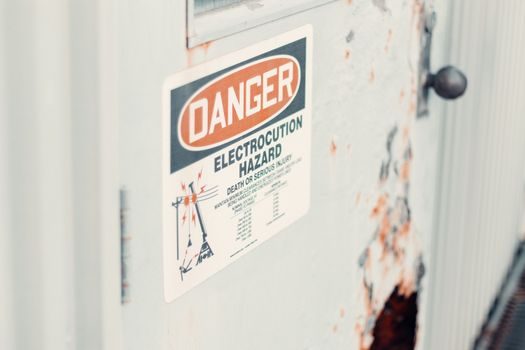
Combustible gas detectors deployed in Zone 1/Zone 2 or Division 1/2 must carry an explosion-proof enclosure rating — most 2026 Chinese OEM catalogs advertise Ex d IIB T4 Gb or equivalent for fixed units and Ex ia IIC T4 Ga for portables [S2][S3][S4].
Compliance is normally demonstrated against ATEX 2014/34/EU in Europe, the IECEx scheme internationally, and the Chinese GB 3836 series domestically, with performance tested to IEC 60079-29-1 for combustible gases and IEC 60079-29-2 / IEC 62990-1 for toxic gases. Oxygen meters and toxic detectors not in flammable service can ship as non-explosion-proof IP65 units, which is why the catalog split is sharper than sensor type alone would suggest [S1][S2].
Form Factor: Fixed Wall-Mount vs Portable vs Multi-Gas
Fixed detectors like the KB-501SG are designed for 24 V DC loop power, 4–20 mA plus relay outputs, and continuous duty in refineries, LNG terminals and paint booths [S4].
Portable detectors such as the TC-BO3-3 run on rechargeable Li-ion with 8–24 h endurance and clip into personal protective equipment, while multi-gas portables from Hanwei and ZAD (e.g. the S360 with built-in pump sampling) add one to four sensors in a single handheld [S1][S2][S5]. The decision is rarely "which sensor is best" and almost always "which hazard envelope fits the work permit" — a single LEL unit for a gas utility worker, a four-gas for a sewer entry, a fixed LEL plus controller network for a tank farm. For deeper selection criteria, the Combustible Gas Detector 2026 Buying Guide and the Multi-Gas Detector 2026 Buying Guide walk through the same levers in spec-table form.
Where Combustible-Only Is Right — and Where It Is Not
Specify a combustible-only LEL detector when the hazard is exclusively a flammable vapor (natural gas, LPG, gasoline, methanol) and the operator already has separate toxic and O2 coverage on the SCBA or area network. [S1]
Do not specify a combustible-only detector for a confined-space entry permit that lists H2S or CO, for battery rooms with off-gassing electrolyte, or for pharmaceutical reactors using low-flash solvents where sub-LEL toxicity is the real risk. In those cases, a multi-gas detector carrying LEL plus O2 plus H2S/CO, or a dedicated toxic gas detector, is the correct instrument. A portable gas detector is also a better fit for turnarounds and contractor work where fixed-point coverage is impractical [S1][S2][S3].
Selection Criteria: Decision Matrix for 2026 Buyers
Choosing between the three families comes down to four levers: hazard list, certification zone, mounting and life-cycle cost. [S2]
On hazard list, a single flammable gas points to a combustible gas detector; anything beyond that pushes to multi-gas. On certification, Zone 1/Ex d fixed detectors and Ex ia portables dominate 2026 OEM catalogs from Hanwei, Nuoan and ZAD [S1][S2][S3]. On mounting, fixed wall-mount plus controller is the lowest total installed cost per square meter, while portable is the lowest capex for a transient workforce. On life-cycle, pellistor sensors need bump-test gas every 30–90 days, while IR LEL and most electrochemical cells stretch to 6–12 months, which swings 5-year ownership cost materially even though purchase price differs by less than a factor of two [S4][S5].
Limitations, Failure Modes and Sourcing Signals
Catalytic-bead sensors can be poisoned by silicone, lead and sulfur compounds, giving low or no reading in a hazard that is actually present — IR LEL is the documented fallback in those services. [S3]
Electrochemical toxic cells drift with humidity and run out of electrolyte in 18–36 months, while PIDs need lamp cleaning and charcoal filter changes on the same cadence. For procurement, the verifiable next node is the 2026 Q3 IECEx certification renewal cycle for several Chinese ODMs (Hanwei, Nuoan, ZAD) listed on the DirectIndustry and OFweek product pages cited here [S1][S3][S5]. Watch for fresh ATEX 2014/34/EU EU-type-examination certificates on the KB-501SG and E4000 lines as the most concrete signal that fixed-installation pricing will hold into the second half of 2026.