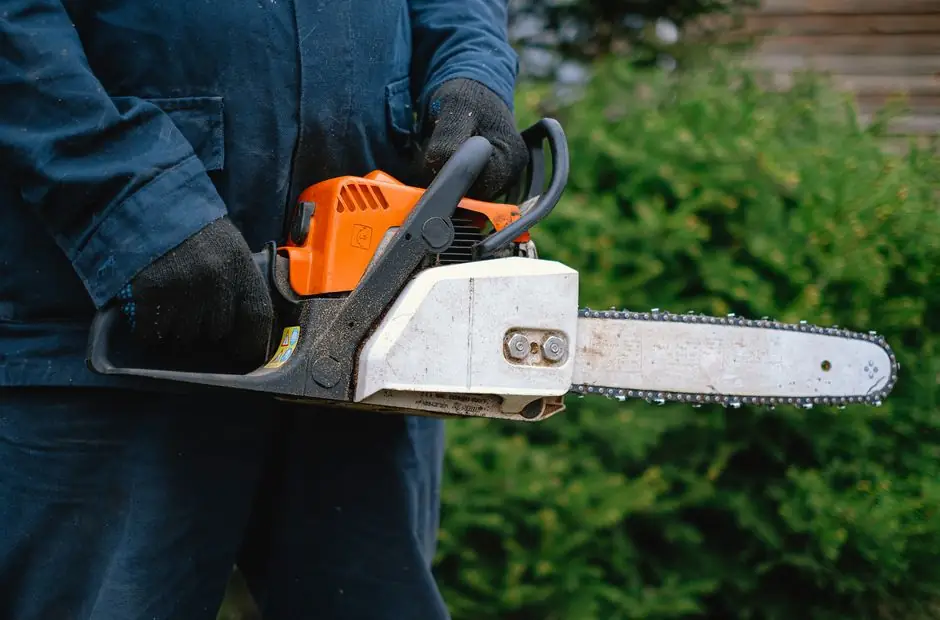
Concrete groove cutter pricing is driven by the configured blade set, nominal groove width, and power package, with listed complete machines ranging from Rs 48,300 to Rs 1,05,800 [S1].
The equipment range includes OR-150 concrete groove cutters with Honda GX-160 5 hp petrol, Greaves 5 hp diesel, and 7.5 hp three-phase electric motors, as well as an AB-150 D with a Greaves 8.3 hp diesel engine [S1].
What sets the purchase price
The Orange / 4 Square OR-150 concrete groove cutter with a Honda GX-160 5 hp petrol engine is listed at Rs 48,300 per piece [S1].
The range includes an AB-150 D concrete groove cutter with a Greaves 8.3 hp diesel engine and rope start [S1].
The range includes an AB-150 E concrete groove cutter with a 7.5 hp three-phase Hindustan electric motor [S1].
For procurement, the correct quote line is not simply “groove cutter.” It should identify model, engine or motor rating, blade diameter and width, tank material, water capacity, starting method, and any optional 18-inch blade, because the published configurations differ materially [S1].
Blade count and blade-set strategy
A multi-blade tool can reduce the number of passes required to produce a wider groove, but the cited floor-machine listings specify individual blade dimensions rather than a standard included blade count.
By contrast, an electric wall groove cutter is explicitly supplied with five 5-inch blades. The same 4,800 W, 110 V machine also includes infrared sighting and a dustproof feature, making it a multi-accessory configuration rather than a simple single-blade floor cutter [S3].
Blade count should be treated as a productivity choice tied to the required groove width. More cutters in one pass can increase the chance of uneven spacing, blade alignment errors, and incomplete material removal, so setup quality can offset the time saved by a multi-blade head.
Concrete groove cutters are classified with cutting machines, while wall chasers operate in a different, compact slotting format. Comparing their prices without normalising blade count and groove width would not produce a useful procurement benchmark.
Cutting width changes the operating configuration
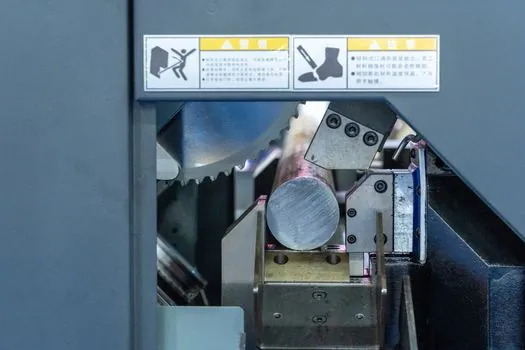
That narrow range matters because the specification must match the joint or control-joint design, and an incorrect blade width can create a groove that does not accommodate the intended filler or joint geometry.
The TIEKJOT wall groove cutting machine is a 4800 W, 110 V electric groover and slotter supplied with five 5-inch blades for brick slotting [S3].
Power, water, and chassis options
The floor-machine range includes a 5 hp Honda GX-160 petrol engine, a 5 hp Greaves air-cooled diesel engine, an 8.3 hp Greaves air-cooled diesel engine, and 5 hp or 7.5 hp three-phase electric motors [S1]. The higher-output diesel model corresponds to the highest complete-machine price in the cited range, but buyers should also account for operating logistics.
The listed range includes petrol, diesel, and three-phase electric concrete groove cutters [S1].
The Orange / 4 Square OR-150 concrete groove cutter with a Honda GX-160 5 hp petrol engine has a listed weight of 98 [S1].
Floor cutters, wall chasers, and profiler blades

The listed concrete groove cutters are intended for concrete cutting, and the Orange / 4 Square OR-150 with a Honda GX-160 5 hp petrol engine has a stated cutting depth of 4 inches [S1]. Electric wall chasers use five 5-inch blades and 4,800 W input, making them a different work-envelope choice [S3].
The Orange / 4 Square OR-150 concrete groove cutter with a Honda GX-160 5 hp petrol engine is listed at Rs 48,300 per piece [S1].
That comparison also explains why blade price alone is a poor proxy for groove-cutter cost. A complete machine package contains an engine or motor, frame, controls, water tank, and blade, while a profiler blade is a consumable accessory intended for an angle grinder [S1][S4].
What changes total cost of ownership
Purchase price is only one component of cost. Fuel use, electricity, blade replacement, water supply, transport, and labor must be added before comparing configurations with different engine sizes or blade packages. [S1]
The most visible energy data point is 1 litre per hour for the Honda GX-160 petrol configuration [S1]. A diesel or electric alternative may alter operating cost differently, but the supplied material does not provide fuel prices, electricity tariffs, measured fuel consumption for the diesel model, or service-life data for the blades.
Blade selection creates another recurring cost variable. A floor machine offered with 14-inch, 16-inch, and optional 18-inch blades must be matched to the machine configuration, while the five-blade wall chaser and Alpha stone profiler represent separate blade-count strategies [S1][S3][S4].
Total ownership cost is therefore likely to favour the configuration that completes required groove geometry in fewer passes, retains usable blades, and avoids transport or site-power penalties. The available data does not support a defensible labour-rate calculation or payback period.
Specification rules for comparing quotations
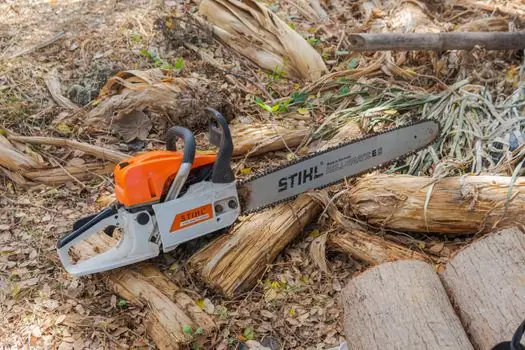
A like-for-like comparison should fix four variables before price is evaluated: blade count, groove width, cutting depth, and power source. Published machines include a 14-inch blade or a 16 × 4 mm blade with an 18-inch option, while groove width is generally 4–6 mm and the GX-160 petrol unit has a 4-inch maximum cutting depth [S1].
The depth specification also requires care because the same product page contains both 4-inch and 5–6-inch statements for one electric OR-150 configuration. Procurement drawings and the supplier’s final technical datasheet should resolve that discrepancy before acceptance.
For additional operating checks, setting groove cutter blade RPM by diameter and blade water-flow requirements provide separate selection criteria for operating speed and cooling.
A purchasable quotation should therefore state the exact blade count and dimensions, permissible width range, maximum depth, engine or motor rating, voltage or fuel type, tank material and capacity, machine mass, accessories, delivery terms, and expected blade availability. That structure makes price comparable and reduces the risk of buying a machine that cannot produce the specified joint.
