
Digitized management of change can block a process-plant modification until every required approval is recorded, while retaining a timestamped record of risk assessment, implementation, and closeout [S4].
The approach applies to chemical, petrochemical, terminal, and other operating plants where temporary, organizational, procedural, and equipment changes must be assessed before implementation [S2][S4].
What management of change digitization controls
Management of change, or MOC, is the controlled process for assessing a proposed change before it is introduced. Digitization moves the request, risk assessment, approval routing, implementation verification, and closeout into one managed workflow rather than leaving them across paper forms, shared drives, and email chains [S4].
That distinction matters because a process change may affect people, procedures, equipment, operating limits, environmental controls, or the plant organization. Manufacturing change management also covers new tooling, software, process changes, leadership changes, and revised ways of working, all of which require a repeatable framework [S2].
The operational objective is not merely electronic storage. It is controlled sequence: define the change, assess risk, obtain the required decisions, verify implementation, and close the record. Digital work instructions, analytics, MES, and ERP tools can support this framework, but the workflow must still evaluate, implement, review, and revise each change [S2].
Why paper-based approval fails under plant pressure
Paper and email-based MOC systems lack three controls that plants need during busy periods: enforced sequence, queue visibility, and reliable records [S4]. A request can move forward while an approval remains pending because no system prevents implementation, and managers may have to contact individual approvers to identify which changes are blocked [S4].
The manual weakness appears elsewhere in process operations too. Handwritten notes and verbal instructions make omissions more likely during shift handovers, while missing written records delay work-progress checks and retrieval of operating history [S1]. Automating handovers with operations management software improves shift changes and plant performance while reducing risk and saving time [S1].
These figures concern operational handover rather than MOC approval itself, but they establish the same engineering point: an unrecorded instruction creates ambiguity at the point where people must act. The MOC record must therefore identify not only what changed, but who accepted it, when the decision was made, and what was checked after implementation [S1][S4].
Digital workflow gates for engineering changes
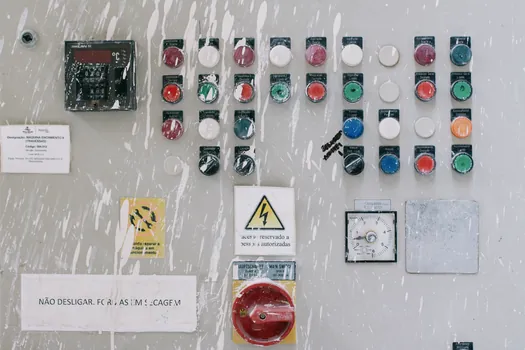
A defensible digital MOC workflow begins with a structured change request and routes it according to the risk category. Required reviewers can include process engineering, safety, environmental, operations, and other functions identified by the plant's procedure [S4].
Hard sign-off gates then prevent the request from reaching authorized implementation until every required approval is logged [S4]. Implementation verification confirms that the approved action was completed, and closeout records the final status of the change. Each request, assessment, approval, verification, and closeout receives a timestamp in the retained audit trail [S4].
The control sequence can be stated as six mandatory elements: request, risk assessment, approval routing, implementation verification, closeout, and retained history [S4]. This makes an audit question answerable: who submitted the change, which risk category triggered each route, who approved it, when authorization was granted, and whether implementation was verified.
Selecting a digital MOC configuration
Selection should begin with workflow integrity rather than interface appearance. A platform must support risk-based routing, required approvals, blocked implementation, timestamped history, retrieval of prior changes, and access control.
Comparison should separate four options: paper forms with email, a basic shared-drive repository, configurable workflow automation, and a dedicated MOC platform. Paper forms with email provide little enforced sequencing and weak queue visibility [S4]. A repository improves storage but does not by itself establish risk-based routing or sign-off gates. Workflow automation adds conditional routes and approval controls, while a dedicated platform can add stronger process enforcement if configured for the plant's categories and roles.
The decision criteria are auditable control, implementation effort, integration burden, and long-term record discipline. Digital MOC is most suitable for plants with repeated change volume, multiple approval functions, audit obligations, and distributed operating teams. It offers less immediate value for a small facility with few changes and a simple approval chain, although the configuration must still define request, assessment, approval, implementation, and closeout rather than rely on informal memory [S2][S4].
Where digital MOC creates operational value

Digital MOC is strongest where a change crosses organizational boundaries or affects several plant disciplines. Common examples include a new chemical feed, revised operating limit, equipment modification, procedure rewrite, software deployment, contractor method, and temporary change introduced during an outage [S2][S4].
For a chemical or manufacturing plant, the system creates a searchable history linking the request to its risk assessment and approvals. That history supports incident investigation, regulatory audit, knowledge retention, and verification that operating practice matches the authorized decision [S1][S4].
Digital records can also reduce handover ambiguity because they preserve the result of decisions instead of relying on verbal transfer. The broader case for operations software is based on standardizing accumulated know-how, exchanging information among plant personnel, documenting best practices, and supporting safer, more reliable operations [S1].
Constraints, failure modes, and implementation controls
A digital workflow does not remove the need for competent review. If risk categories are vague, approver assignments are weak, or required sign-offs are not identified correctly, automation can route a defective process efficiently. The first implementation control is therefore a documented, plant-specific approval matrix with named roles and risk triggers [S4].
Second, the system must not treat electronic approval as implementation verification. A request can be approved but installed incorrectly, left incomplete, or affected by field conditions that differ from the plan. Verification must therefore remain a distinct record with its own timestamp and owner [S4].
Third, migration and operating discipline matter. Historical forms, email decisions, and verbal approvals need a controlled method for reconciliation. A strong architecture retains every workflow step and approval, reducing the time required to reconstruct a change from days to minutes [S4].
Finally, digitizing MOC should not be confused with automating the underlying process design. Management structures provide an iterative method for implementing and evaluating technology, but the digital platform records and controls the decision process; it does not replace competent process engineering, safety review, or management-system compliance [S2].
Audit readiness through traceable closeout

The strongest audit outcome is a MOC record that can be reconstructed without chasing individual inboxes or relying on memory. A timestamped trail should connect the original request, risk assessment, routing decisions, individual approvals, implementation verification, and closeout [S4].
For operating managers, the second trackable signal is work queue control: risk-category routing should show which request is with each approver, which approval is blocking implementation, and which change has passed authorization but remains unverified. For auditors, the key test is whether the plant can demonstrate the authorized sequence after a sample of changes has been implemented.
Digital MOC becomes operationally valuable when the workflow can answer those two questions without manual reconstruction: what was authorized, and was the authorized change verified in the field?