
An electrical hard hat normally combines Type I or Type II impact protection with Class E dielectric protection rated to 20,000 V, while a mechanical-impact-only hat commonly uses Class C, which provides no electrical insulation [S1][S4][S5].
These are independent choices: Type determines top-only or top-and-lateral impact coverage, while Class G, E, or C determines electrical performance; one electrical rating does not replace the need for the correct impact type [S1][S2].
Separate Impact Direction from Electrical Protection
ANSI/ISEA Z89.1 separates structural impact protection from electrical protection. Type I is tested for impact from above, making it appropriate where the principal hazard is a falling tool or debris. Type II adds lateral impact protection for work involving side blows, angled falling objects, climbing, demolition, moving machinery, or utility tasks [S1][S4].
The electrical classes form a separate decision: Class C is conductive and offers no electrical insulation, Class G provides protection up to 2,200 V, and Class E provides the highest listed dielectric protection, tested to 20,000 V [S1][S4][S5]. A compliant label can therefore identify combinations such as Type I Class E, Type I Class G, or Type II Class E [S4].
Shell shape does not determine the rating. A traditional-looking cap can be Type II, while a climbing-style safety helmet is not automatically Type II [S3]. Read the certification label and markings rather than inferring protection from appearance.
Compare the Main Helmet Options
For electrical maintenance, specify Type I Class E when only top impact is relevant and Type II Class E when lateral impact is credible. For general construction with overhead hazards and limited low-voltage exposure, Type I Class G is a practical specification; Type I Class C remains an impact-only choice when the site assessment confirms no electrical hazard [S1][S4].
Class C helmets are often vented for airflow and comfort in hot conditions and have zero electrical insulation [S4].
Choose the Electrical Helmet for Energized Work
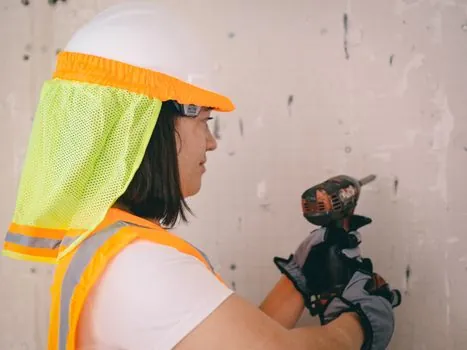
Class E is the normal selection for electricians, electrical maintenance crews, utility personnel, and workers exposed to high-voltage systems above the Class G 2,200 V range. Its dielectric testing level is 20,000 V, compared with 2,200 V for Class G and no electrical protection for Class C [S1][S4][S5].
Class G provides low-voltage protection up to 2,200 volts [S5]. Class G is not the defensible choice for routine high-voltage electrical work [S5].
Class C is appropriate only after the site-specific hazard assessment excludes electrical exposure. Warehousing, logistics, and general mechanical operations with no electrical hazard are typical applications, but a Class C shell must not be counted as protection against contact with energized parts [S4][S5].
Match Type to the Direction of Mechanical Impact
Type I covers impacts to the top of the head and is a common choice beneath scaffolding, around hoists, and under lifting operations. It is also suitable for industrial sites with low side-impact risk. Type I helmets commonly use four-point or six-point suspensions that maintain clearance between the shell and the wearer’s head [S1].
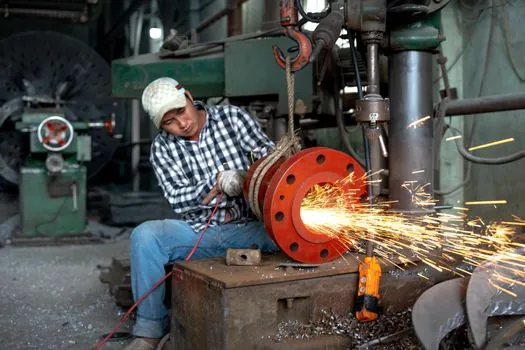
Type II protects against both top and lateral impacts. Select it for demolition, manufacturing areas with moving machinery, utility work, tower climbing, mining, logging, and tree work.
A Type II helmet gives no permission to ignore electrical classification. Conversely, a Class E helmet does not establish whether side impacts are covered. Mechanical work near machinery should therefore be assessed for both the direction of impact and the proximity to energized equipment [S1][S4].
Fit, Service Life, and Failure Modes
Build the Purchase Specification from the Hazard Assessment
Specify the Type first from the credible impact directions, then specify the Class from the electrical exposure. OSHA 29 CFR 1910.135 and 1926.100 require appropriate head protection where hazards exist, while ANSI/ISEA Z89.1 defines the Type I, Type II, Class G, Class E, and Class C classification system cited in the selection guidance [S1][S4].
Electrical contractors working on high-voltage systems should normally specify Type I Class E or Type II Class E. Mechanical contractors with no electrical exposure may specify Type I Class C for top-impact duties, or Type II Class C when side impacts justify the stronger shell construction. Mixed crews should use Type II Class E or Type II Class G where both lateral impact and electrical protection are required [S1][S4][S5].
The procurement record should identify the ANSI type, electrical class, shell and suspension configuration, applicable size, accessories, and manufacturer instructions. Do not accept a generic “industrial” or “safety” label: the useful distinctions are Type I versus Type II and Class G versus E versus C [S2][S4].
Verify Labels and Exclude the Wrong Helmet
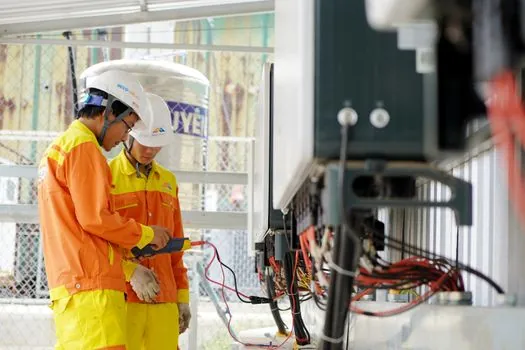
Electrical work teams are not served by Class C helmets, and high-voltage crews are not served by Class G helmets where the exposure exceeds its 2,200 V protection level. Mechanical teams should not use Class C as a reason to ignore credible side-impact hazards; those tasks require Type II even when electrical insulation is unnecessary [S4][S5].
Verify the helmet marking, certification basis, size, and compatible accessories before issue. Reassess the specification when work scope changes from non-energized mechanical maintenance to energized electrical work, from overhead-only exposure to climbing or moving machinery, or when the voltage exposure changes. A purchase record containing Type, Class, application, and approval is more defensible than a purchasing description that says only “hard hat for electrical work” [S1][S4].
Track two procurement signals for each helmet: the exact Type/Class marking on the shell and the condition and compatibility of its suspension. Any change in voltage exposure, impact direction, or accessory configuration should trigger review against ANSI/ISEA Z89.1 and the employer’s hazard assessment [S1][S4].