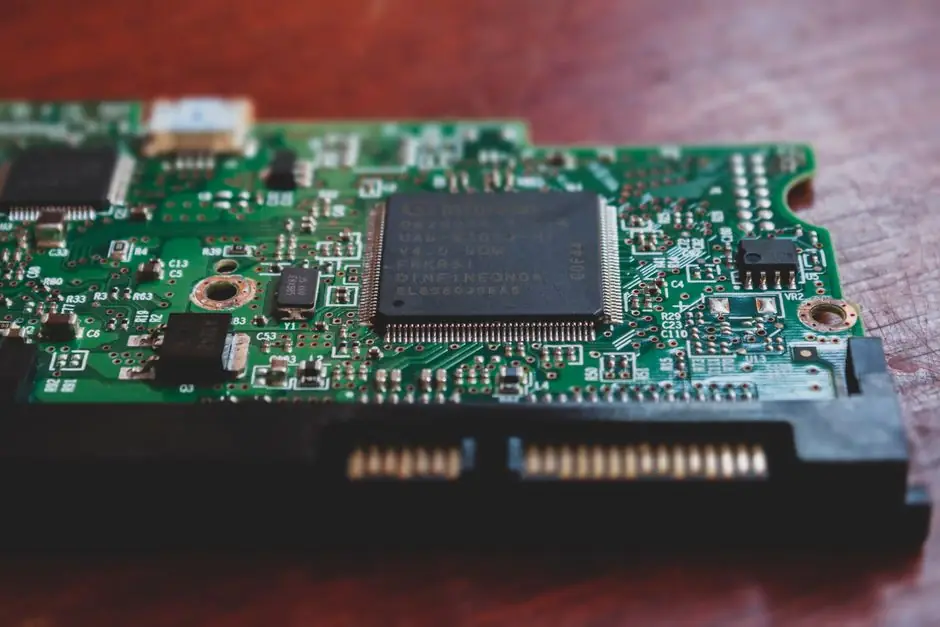
Electronics-grade industrial gas selection draws on gases such as nitrogen, argon, and helium, paired to semiconductor process steps such as sputtering, crystal growth, wafer cooling, and carrier gas delivery, with suppliers emphasizing high-purity and ultra-pure grades to meet fabrication requirements. trailer/cylinder) drives landed cost.
For semiconductor, LED, display and solar fabs, the gas mix is decided by the wafer process step, not by a generic "high purity" label, and the four bulk picks (N<sub>2</sub>, O<sub>2</sub>, Ar, He) are increasingly produced on-site by cryogenic air separation while electronics specialty gases and mixtures arrive in cylinders, ton tanks, tube trailers or ISO containers [S3][S4].
Why "Electronics-Grade" Is a Different Category
Semiconductor fabrication specs are among the most stringent in industrial gas supply, because every part-per-million of O<sub>2</sub>, H<sub>2</sub>O or hydrocarbon in a process line can kill a wafer run; this is why fabs treat their gas panels as process tooling, not as utilities [S5].
Bulk air gases (O<sub>2</sub>, N<sub>2</sub>, Ar) are produced on-site at the fab by an air separation unit (ASU), while other bulk gases are delivered by trailer and electronics specialty gases and mixtures are delivered in cylinders, with crude rare gases (Ne, Xe, Kr) sometimes co-produced as a by-product from the same ASU [S5].
Mapping Gas to Process Step
Argon is used for sputtering and crystal growth, and also shows up in laser applications and specialty lighting, which is why it sits in the electronics column next to nuclear, welding and surgical uses in the cross-sector application map [S2].
Helium is the workhorse for wafer cooling and as a carrier gas, and is also a leak-detection medium and a heat-treatment atmosphere constituent, with supply options scaling from cylinder to ISO container depending on fab burn rate [S2][S3].
Nitrogen dominates wafer inerting and purge, and is finding new demand in cryogenic cooling for high-temperature superconductors and biological-sample preservation, while hydrogen fills reducing-atmosphere and epitaxy roles in advanced nodes [S2].
For calibration and trace-doping work, custom blends such as phosphine (PH<sub>3</sub>), boron trifluoride (BF<sub>3</sub>) and silicon tetrachloride (SiCl<sub>4</sub>) mixtures are blended to customer spec rather than bought off-the-shelf, which is a different procurement path from the bulk ASU stream [S6].
Comparison: Bulk Picks on Purity, Mode, Hazard Class
For process engineers writing a gas-of-choice matrix, the four bulk picks line up against four decision criteria as follows. Nitrogen (N<sub>2</sub>): 5N to 6N purity, on-site ASU supply, simple asphyxiation hazard, dominant volume in any fab. Argon (Ar): 5N+ purity, on-site ASU co-product, simple asphyxiation, used in sputtering and crystal growth. Helium (He): 5N to 6N purity, trailer or ISO container supply, simple asphyxiation plus high-value loss-of-purity risk, used in wafer cooling and as carrier gas. Hydrogen (H<sub>2</sub>): 6N purity, trailer supply, flammable gas hazard class, used in reducing atmospheres and epitaxy [S2][S3][S5].
The supply-mode split matters: Linde's SPECTRA plant family is built specifically to deliver high-purity gaseous and liquid O<sub>2</sub>, N<sub>2</sub> and Ar on-site, and is seeing rising contract wins as US fabs diversify capacity away from Taiwan, South Korea and China [S5].
Packaging, Hazard and On-Site Production
Packaging scales with burn rate: cylinders for low-flow specialty gases and calibration blends, ton tanks for mid-volume bulk, tube trailers for steady bulk flow, and ISO containers for inter-site or inter-region transfer; this is the same tiering that Linde lists for its electronics specialty gases portfolio [S3][S4].
Argon demand is on a sharp up-trajectory alongside nitrogen, and Linde developed the SPECTRA plant family to address rising demand for ultra-high-purity argon, which is the same molecule used for sputtering and crystal growth, so a fab picking on-site ASU is implicitly locking in both gases from one asset [S5].
For procurement teams, the cross-sector application table from Zibo Dijia is a useful sanity check, because it shows which molecule is shared with adjacent industries (argon with nuclear and welding, helium with leak detection and heat treatment, nitrogen with cryogenics and biological storage) and therefore which molecule has the most resilient multi-sector supply base [S2].
Standards, Hazard Class and Sourcing
High-purity electronics gases for export are governed by safety compliance regimes that govern cylinder transport, pressure-relief and labelling, and buyers should request lot-level certificates of analysis (COA) for every shipment, since purity drift between batches is a known wafer-yield risk [S2].
Semiconductor fabs increasingly demand ultra-pure gases with documented traceability, and tier-1 suppliers (Linde, Air Liquide, Air Products, Messer, and regional specialists such as Zibo Dijia) are the typical qualified sources; smaller fabs in PV, MEMS and LED often run on 5N bulk with 5N5 or 6N specialty blends rather than full 6N across the board [S3][S5][S6].
Calibration-gas blenders such as SpecGas position themselves on custom PH<sub>3</sub>, BF<sub>3</sub> and SiCl<sub>4</sub> mixtures, which is the right procurement route for trace-doping and detector-calibration gases rather than the bulk ASU stream [S6].
Selection Criteria and Common Failure Modes
Process engineers should match the gas to the wafer step first, then to the purity class, then to the supply mode, in that order; picking a 6N gas and a trailer supply for a step that only needs 5N and a cylinder is wasted cost, while picking 5N for an epitaxy step is a yield-killer. [S3]
Common failure modes are well known: hydrocarbon or moisture breakthrough in N<sub>2</sub> lines that ruins photoresist steps, He loss through micro-leaks that drives up operating cost in wafer cooling, and H<sub>2</sub> cylinder-handling errors that trigger flammable-gas incident protocols, so the gas-detection and monitoring loop is as critical as the gas itself [S5].
For fabs in the US, the geographic shift away from Asia is the dominant 2024 to 2026 signal: Linde reports steady rising demand for ASUs to produce high-purity gases, with contract wins in the SPECTRA plant portfolio growing as new fabs in the US (and to a lesser extent Europe) come online [S5].
Related Reading for Process Engineers
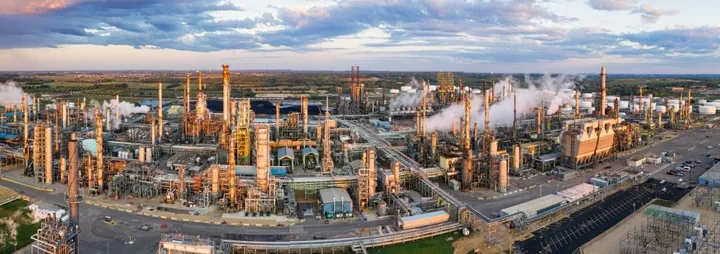
Gas selection rarely sits alone in a fab spec package; engineers writing a full industrial gas matrix often pair it with adjacent solvent and materials decisions, and the 2026 spec-gate map for industrial solvents in energy equipment is a useful parallel reference for purity-and-supply-mode logic. [S1]
For fabs that also run metal-fab or heat-treatment work, the same purity logic shows up in adjacent processes, and the heat-treatment furnace selection map for telecom enclosures covers atmosphere-control considerations that translate directly into electronics gas panels.
Track three signals over the next two quarters: (1) US ASU contract awards from the major fab build-outs in Arizona, Ohio and Texas, (2) helium and neon price moves tied to new supply contracts, and (3) cylinder-vs-trailer share shifts at tier-1 fabs, since all three will tell you whether on-site ASU penetration is still climbing or has plateaued [S3][S5].
For component-level specifications, see gas analyzer, and gas chromatograph.
Background reading: Industrial Solvent Selection for Energy Equipment: 2026 Spec Gates.