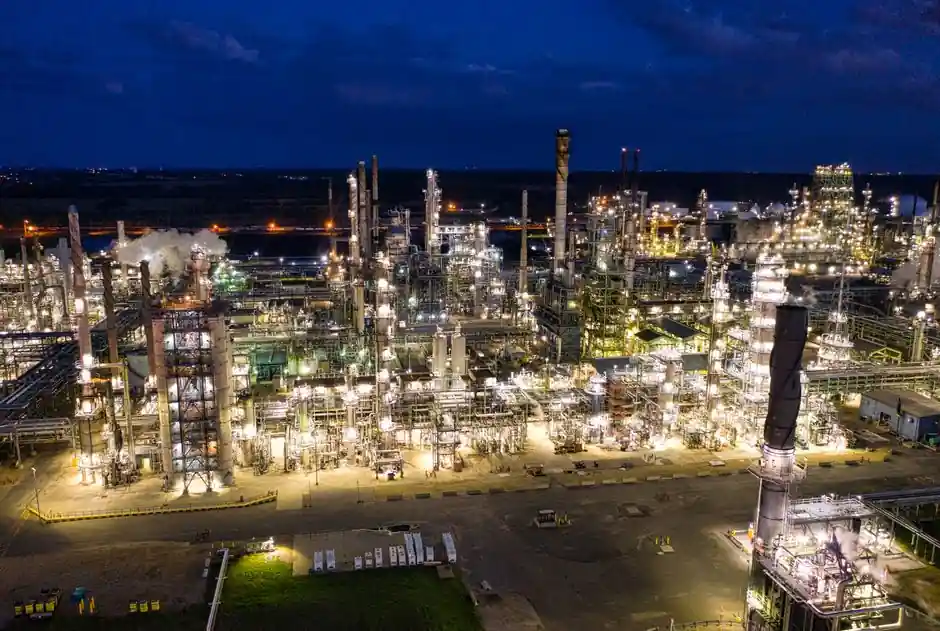
Argon, nitrogen, oxygen, hydrogen, helium, carbon dioxide, and acetylene are the seven industrial gases most commonly specified across automotive body-in-white, heat-treat, paint, and EV battery lines [S1][S3][S4].
Selection in 2026 is dictated by three cross-cutting constraints: process purity grade (typically 99.999% for fuel-cell and laser welding atmospheres), the welding or heat-treat step, and alignment with IATF 16949 and ISO 14687 hydrogen-quality frameworks [S4][S7].
Core Gases Mapped to Manufacturing Steps
Argon is the primary shielding gas for MIG and TIG welding of aluminium car bodies, frames, and EV battery enclosures, with argon/helium mixes used in laser welding of thin-gauge sheet to raise heat input [S1][S3][S4]. Nitrogen blankets heat-treat furnaces during annealing, carburising, and nitriding of gears and crankshafts, and is also used to purge paint storage tanks, propel plastic into moulds for bumpers, and dry EV battery cells before electrolyte filling [S1][S3][S4]. Oxygen at industrial purity feeds oxy-fuel cutting above 3,000°C for truck-frame blanking and reheats steel slabs in reheat furnaces [S1][S4]. Hydrogen at ultra-pure grade (99.999%) is specified for fuel-cell stack testing, annealing of high-strength electrical steels, and reformulated-fuel synthesis [S1][S4]. Helium leak-tests radiator and torque-converter assemblies and lifts heat input on thick-section welds; CO2 cuts cost on carbon-steel MIG when blended with argon; acetylene supports legacy flame heating; and the rare gases (krypton, xenon, neon) fill high-intensity arc-discharge headlamps [S1][S3].
A cross-vendor view of process-to-gas mapping is given in the industrial gas reference page.
Purity Grades and Where They Matter
Purity grade is the single most expensive variable in a gas specification, so it is graded by process risk rather than applied uniformly. Laser welding of thin aluminium and fuel-cell stack assembly demand 99.999% (5N) argon and hydrogen to avoid weld porosity and catalyst poisoning respectively [S4]. Heat-treat annealing of gears, paint-shop nitrogen blankets, and airbag inerting typically accept 99.9% to 99.99% nitrogen because the failure mode is cosmetic or surface-scale, not microstructural embrittlement [S1][S3]. General MIG welding of carbon steel uses argon/CO2 blends in the 80/20 to 90/10 range, where CO2 content is the cost lever and argon stabilises the arc [S3][S4]. Hydrogen for annealing furnaces is normally specified dry and low in O2 to prevent decarburisation, while fuel-cell-grade hydrogen tracks ISO 14687 limits on CO, sulfur, and particulates [S4].
For analytical confirmation of weld-purge and emissions-calibration blends, the gas analyzer and gas chromatograph pages document the typical detection limits used at the production line.
Welding Shielding Gas Comparison
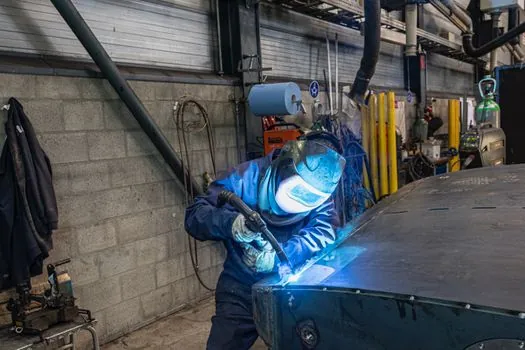
Four shielding-gas families dominate automotive welding, and the right pick is governed by base material, thickness, and weld profile requirement. Pure argon is the default for aluminium MIG and TIG, giving a wide, smooth profile but lower penetration on thick steel. Argon/CO2 blends (typically 80/20 or 90/10) lower cost on carbon steel and produce a more fluid weld pool, at the expense of slightly higher spatter. Argon/helium mixes raise heat input and penetration for thick aluminium and stainless exhausts, at a premium driven by helium scarcity. Argon/oxygen micro-additions (1-5% O2) stabilise the arc on stainless and low-alloy steels where surface tension matters more than cost [S3][S4]. For deep comparative detail on shielding behaviour and process trade-offs, see the gas detection reference, which covers purity versus response-time trade-offs for the leak-test tracer gases (helium or 95/5 N2/H2) used on radiators and torque converters [S1][S3].
EV Battery and Fuel-Cell Specific Requirements
EV cell drying, module inerting, and pack leak testing have created a discrete demand segment for high-purity nitrogen and helium tracers since 2023, and 2026 specifications for high-volume lines push toward integrated real-time flow monitoring and dry-room integration [S4][S7]. Ultra-pure hydrogen (99.999%) is now a line item for fuel-cell stack assembly and end-of-line testing, with quality conformance typically demonstrated against ISO 14687 [S4]. Argon atmosphere is also used during cell formation cycling on premium programmes to suppress lithium nitride formation, although this remains a niche practice compared with dry-room nitrogen [S7].
When nitrogen is sourced on-site rather than delivered, the additive manufacturing material reference notes the same gas-quality discipline applies to metal-AM powder handling, where the same 99.99% nitrogen blanketing is used.
Supply Modes and Cost Structure
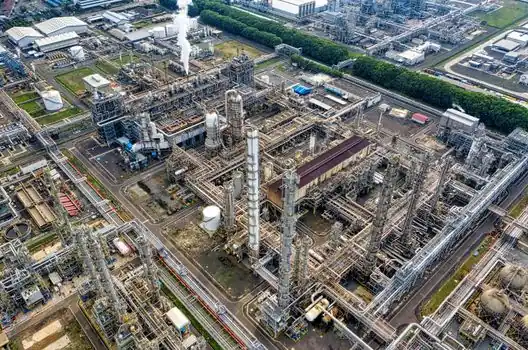
Three supply modes compete for the same molecule: cylinder bundles for low-volume specialty gases (rare gases, calibration blends, 5N hydrogen), bulk liquid with vacuum-insulated evaporator for high-volume nitrogen, oxygen, and argon, and on-site generation (PSA or membrane for N2, electrolyser for H2) for the largest continuous consumers [S1][S2][S3]. Pakistan Oxygen, SIAD, Greenox, WestAir, and Three-Factor all list cylinder, bulk, and on-site options with a stated first-delivery or rollout window measured in days, and WestAir advertises a 48-hour first delivery on oxygen, acetylene, argon, and nitrogen in California and Arizona [S2][S8]. The economic crossover where on-site generation beats bulk delivery is typically at multi-tonne-per-day continuous demand, with payback sensitive to electricity price and utilisation hours, and on-site tends to be specified first for hydrogen in fuel-cell programmes where pipeline or trailer logistics are constrained [S2][S3][S4].
Compliance, Safety, and Detection Stack
Three standards govern most automotive gas-specification work in 2026: IATF 16949 for quality management at the assembly plant, ISO 14687 for hydrogen fuel-cell quality, and a patchwork of regional safety codes (ATEX/IECEx in Europe, NEC 500/505 in North America) for flammable hydrogen and oxygen storage and piping [S4]. Leak detection on the gas-distribution side is increasingly specified with helium or 95/5 N2/H2 tracer, and emissions monitoring on the engine-test side uses environmental calibration gas mixtures and zero gases supplied alongside the bulk contract [S1][S3]. For analyser selection on the emissions and battery off-gas benches, the gas chromatographs page documents the typical two-detector configurations (TCD plus FID) used for H2, CO, and CO2 quantification. The most common failure mode in field service is moisture breakthrough on nitrogen vaporiser lines, which shows up first as porosity in laser welds and as elevated dew point at the cell-drying station, so redundant online hygrometers are now standard on premium EV lines [S4][S7].
Selection Checklist for Procurement and Process Engineers
A defensible 2026 gas specification can be reduced to seven gates: process step and base material, required purity grade with documented standard (ISO 14687 for H2, IATF 16949 coverage for the line), supply mode (cylinder, bulk, or on-site) sized to peak and average demand, analyser and leak-test integration, safety zoning per regional code, redundancy on critical purity loops, and total cost of ownership that includes vaporiser, telemetry, and demurrage. Plants that skip the purity-by-step analysis tend to over-spec on commodity nitrogen and under-spec on hydrogen and laser-welding argon, which is the most expensive mistake in the contract [S1][S3][S4][S7].
Plants rolling out the same programme across regions should also align truck-scale, signage, and process-gas staging under one engineering framework; for adjacent decisions on truck-scale spec gates for incoming parts logistics, see the truck scale spec map for automotive parts logistics reference, and for heat-treatment furnace selection that pairs with the nitrogen atmosphere lines, see the heat treatment furnace selection for telecom enclosures reference, which captures furnace-atmosphere interface points that translate directly to body-in-white and EV gearbox lines.