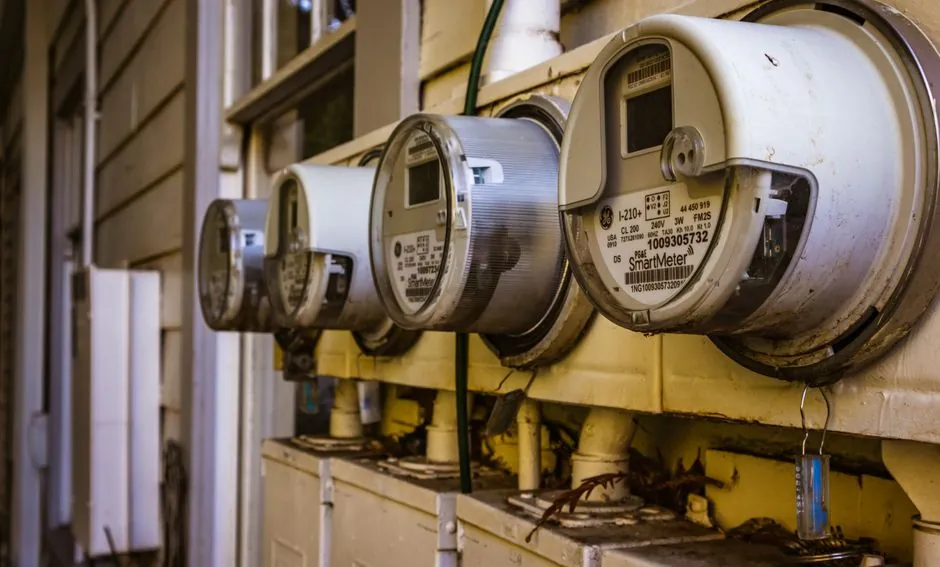
On a 2026 GCC megaproject, a 220 kV power transformer or 132 kV gas insulated switchgear (GIS) bay typically sits on a 6 to 18 month critical path from purchase order to energization, and the entire site handover collapses if that single line item slips [S5].
Long-lead electrical items now routinely run 60 to 80 weeks for major North American builds, and price holds on quotes have shortened to as little as 5 to 10 days, so EPC teams treat the procurement clock as a piece of equipment in its own right [S2][S4].
What Counts as a Long-Lead Electrical Item
Long-lead electrical items (LLIs) are engineered-to-order assets, not catalog stock, so no warehouse can absorb schedule pressure [S5]. The usual suspects in utility and heavy-industrial scope are power transformers at 132 kV, 33 kV, and 220 kV classes, gas insulated switchgear arrays, multi-megawatt variable frequency drives for pumping or district cooling, and the protection relays and synchronizing panels that ride with them [S5].
Each unit is built to a specific short-circuit fault level, a specific grid-synchronization parameter set, and a specific ambient condition, including custom radiators and anti-condensation heaters for the saline, high-temperature GCC environment, which is why off-the-shelf substitution is rarely possible [S5]. Once a transformer's kV, MVA, impedance, and tap range are frozen, swapping vendors mid-build costs more calendar time than riding out the original order.
Procurement During FEED, Not After Detailed Design
The single most effective schedule control is to issue conditional purchase orders during the Front-End Engineering Design (FEED) stage, freezing kV class, MVA, impedance, tap range, GIS bay count, and short-circuit rating before the conduit and light-switch layout is finalized [S5][S8].
This works because FEED locks the parameters that drive the manufacturer's casting, winding, and assembly-slot reservation, while leaving auxiliary wiring, relay logic, and SCADA schematics for the detailed design phase [S5]. Per current EPC guidance, ordering long-lead equipment during FEED is the standard recommendation for reducing procurement delay risk on capital projects [S8]. The contrast with the old linear sequence is stark: a project that waits for 100% detailed design can burn 8 to 12 months of the critical path before a transformer is even booked.
AVL Compliance and Utility Coordination
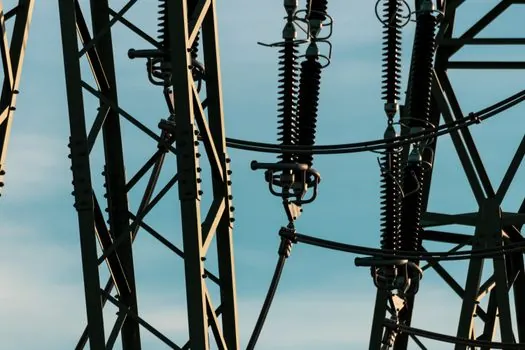
In Gulf Cooperation Council (GCC) markets, the host utility enforces an Approved Vendor List (AVL), and procuring from a non-listed manufacturer triggers outright rejection at the commissioning gate, which means a perfectly on-time delivery can still miss energization [S5].
EPC teams therefore fold an AVL screen into the early procurement workflow, before a slot is reserved, because reversing a conditional purchase order after a non-AVL vendor has held the casting slot is the most expensive mistake in the package [S5]. This is also where the electrical trade partner earns its keep: an experienced partner carries live knowledge of which vendors currently hold open AVL slots, which factories are at capacity, and which protection schemes the local utility will accept without a redesign cycle [S2].
Quote Locks, Price Escalation, and the 5 to 10 Day Window
Price-quote validity on critical electrical gear has compressed to as little as 5 to 10 days on some lines, against a manufacturing cycle that can stretch to 80 weeks, so the procurement team has a narrow window to convert a budgetary number into a binding PO [S2].
The standard countermeasure is to bring the electrical trade partner into design early, finalize building loads and one-line diagrams ahead of the rest of the package, and use that finalized scope to lock prices before the next escalation tier kicks in [S2]. On the equipment side, conditional POs with limited scope amendments reserved for the detailed design phase let the EPC claim a casting slot at near-final price while the engineering team finishes the rest of the drawings [S5].
Schedule Integration with the Trade Partner
Project-schedule control breaks when the electrical trade partner is looped in after engineering is complete, because the submittal and approval cycle alone can eat 4 to 8 weeks of float that an aggressive schedule does not have [S2][S3].
The working pattern is a design-assist or design-build role for the electrical partner, starting during FEED, with collaborative input on building loads, equipment sizing, and the master schedule itself, so the trade partner has ownership of the dates it will be measured against [S2]. On a related note, buying transformers direct versus through an EPC is one of the most common procurement forks EPCs now run past owners, and the weeks saved or lost on that single decision often decide whether the energization date holds. Within that collaboration, the EPC's Work Breakdown Structure and Project Execution Plan tie procurement milestones directly to construction milestones, with the procurement plan re-baselined whenever a vendor slip appears, rather than after the fact [S3].
Failure Modes the EPC Has to Plan For
Even disciplined EPCs hit three recurring failure modes on long-lead electrical scope. First, an Approved Vendor List rejection at commissioning, where the equipment was built on time but the manufacturer was never on the host utility's list, voiding the energization date [S5]. Second, a quote expiration that triggers re-bid at a higher price tier, because the price-hold window of 5 to 10 days was missed during scope finalization [S2].
Third, a labor-driven factory slip at the OEM, where a Tier-1 transformer or GIS shop runs its winding or gas-tightness acceptance tests late and pushes a previously on-slot delivery into the next quarter [S4]. The mitigation that links all three is a maintained dual-source qualification file, kept warm even when only one vendor is on the active order, so an AVL-rejected or slipped PO can be rerouted without restarting the design freeze [S3][S4].
Where the Risk Still Leaks
The residual exposure that no EPC schedule fully closes is global supply-chain disruption at the Tier-2 and Tier-3 component level, where copper conductor, transformer oil, and SF6 gas allocations are governed by a smaller set of suppliers than the transformer OEMs themselves [S4].
Watch the next two reporting nodes for movement: the H2 2026 GCC utility AVL refresh lists, which decide whether a factory currently on the list is replaced, and the published delivery slots from the three or four global GIS and large-transformer OEMs for Q1 2027, which set the floor on any new 80-week lead-time claim [S5][S2].