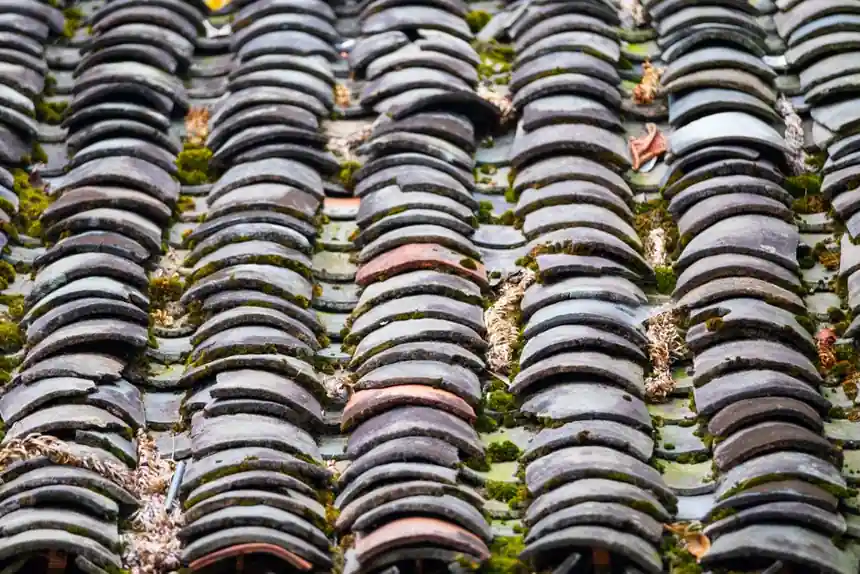
EPDM and TPO are both single-ply membranes known for being cost-effective, lightweight, and easy to install, but the supplied excerpts do not provide comparative service-life ranges.
TPO is the better choice where reflectivity, UV resistance and heat-welded seams dominate; EPDM is the stronger option where freeze-thaw exposure, dimensional flexibility and decades-long service dominate [S1][S3][S5].
Weathering comparison across four decision criteria
EPDM and TPO both use a single membrane layer, but their ageing mechanisms differ because EPDM is synthetic rubber and TPO is a thermoplastic polyolefin [S1][S5]. EPDM remains flexible in sub-freezing conditions and resists thermal shock, while TPO is normally white or light-coloured and offers greater reflectivity [S1][S3][S5].
Cold-weather flexibility is EPDM's decisive advantage
EPDM is a synthetic-rubber roofing system, and its cold-weather performance should be considered alongside TPO and PVC. Its resistance to thermal shock is particularly relevant where a membrane expands and contracts rapidly through freeze-thaw cycles [S3].
Cold-weather performance varies among TPO, EPDM, and PVC in terms of durability, flexibility, and performance in freezing temperatures, snow, and ice. Specify the exact membrane and approved installation temperature range, then require documented installer qualification rather than accepting a generic statement that a product is "cold-climate rated."
UV, heat and reflective performance favor TPO
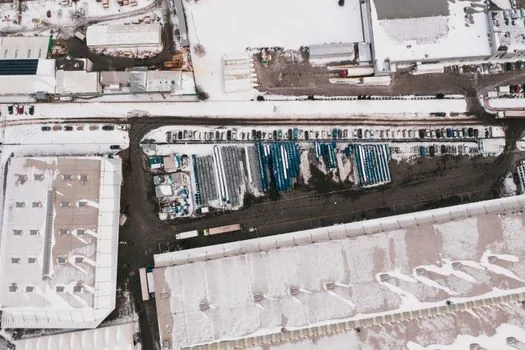
White TPO membranes provide a reflective, UV-resistant finish that can reduce roof-surface temperature and associated cooling costs in warmer months [S1]. TPO also resists punctures, biological growth, dirt buildup, impacts and water damage, and light-coloured membranes provide strong resistance to UV and chemical exposure [S1][S3].
Heat exposure is not the same as cold exposure. Excessive heat loads can pull TPO seams and flashings apart and crack the membrane's laminated top layer [S1]. TPO can reduce cooling costs and, when a dark-colored membrane is installed, can also reduce heating costs. A white TPO membrane is consequently the stronger selection for hot, exposed low-slope roofs, subject to review of the specific formulation and its heat-aging data.
Seam technology changes long-term risk
TPO sheets are heat-welded together, while EPDM sheets are joined with adhesive tape, including self-adhesive seam tape in the cited Elevate comparison [S2]. TPO is a single-ply, heat-weldable roofing membrane available in a variety of colors.
EPDM compensates through fewer seams: wide rolls reduce seam quantity, and the material is comparatively easy to patch and maintain [S1]. For either system, seams, penetrations and flashings should be treated as the primary inspection targets rather than assuming the field membrane is the weak point.
Use-case selection and installation constraints
EPDM and TPO are commonly installed on commercial flat roofs, and their selection should account for cold-weather performance, durability, and flexibility. Its material properties resemble those of the broader EPDM rubber family: flexibility, tensile strength and elongation allow accommodation of movement and temperature variation [S7].
Choose TPO for warm or mixed climates, buildings with significant cooling demand, light-coloured roof aesthetics, and installations where heat-welded seams are preferred [S1][S3][S5]. TPO is a better fit where the roof must also accept a fluid-applied coating or restoration system, since both EPDM and TPO are identified as compatible substrates for such work [S1]. Neither membrane is the right choice where a design team cannot control membrane formulation, installer qualification, seam testing or scheduled inspection.
Failure modes that determine service life
TPO is inexpensive to manufacture, and contractors can install TPO roofing systems faster than multilayer systems, potentially reducing labor costs.
For an owner comparing service life, ask the manufacturer for the membrane's thickness, formulation, colour, approved attachment method, seam warranty, cold-installation limit and maintenance history for the proposed building.
Sourcing evidence and qualification criteria
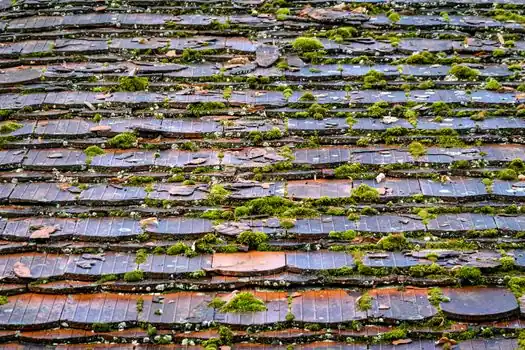
Specify EPDM or TPO by system assembly, not membrane name alone. Record membrane thickness, reinforcement or laminate structure, colour, roll or sheet width, seam method, attachment method, drainage design and the manufacturer's written cold-weather and warranty limits. These fields distinguish commercial products that are generically called EPDM or TPO. [S5]
The evidence supports a clear default: specify EPDM when cold-climate flexibility, movement tolerance and long service life are the controlling requirements; specify TPO when solar reflectance, UV resistance and heat-welded seams are the controlling requirements [S1][S3][S5]. For black-versus-white EPDM selection, Black vs White EPDM for Reflective Low-Slope Roofing provides a focused treatment of the colour variable.
The next verifiable project check is the approved submittal package: it should reconcile membrane grade, thickness, seam system, attachment method, climate limits and warranty with the site exposure. Require an installation record and define inspection intervals for seams, flashings, penetrations, ponding areas and surface damage before accepting the roof as weathered-service ready.