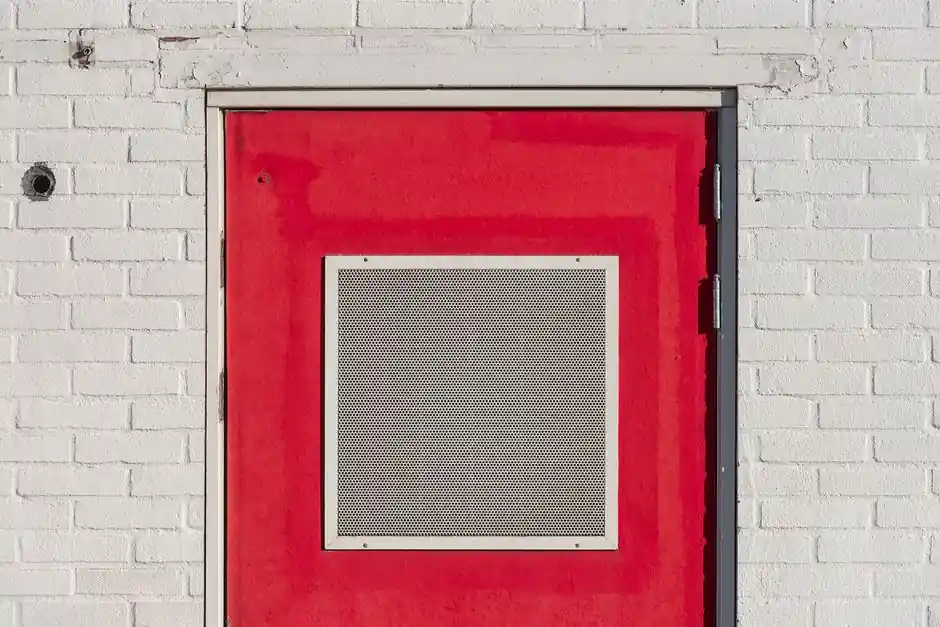
An electromagnetic holder can maintain a fire door open during normal traffic, while its power interruption releases a separate door closer so the leaf closes and latches without manual action [S1][S3].
The decision is between a conventional fire-door closer alone and a closer-plus-hold-open arrangement, with the added alarm interface, power supply, release trigger, and maintenance obligations that the hold-open option introduces [S2][S4].
Closer Alone vs Closer With Electromagnetic Hold-Open
A fire-door closer alone provides the self-closing function, while an electromagnetic hold-open adds controlled access during normal operation and releases that function when the supply is interrupted [S1][S2]. The closer remains responsible for moving and latching the door; the holder does not close it [S3][S4].
Choose the closer-only arrangement where permanent closure is acceptable, traffic is light, or no approved hold-open system is justified. Choose the electromagnetic arrangement for production halls, warehouses, logistics centres, healthcare complexes, schools, hospitals, and commercial corridors where repeated passage, carts, forklifts, or accessibility make an always-closed door impractical [S1][S2][S4].
The magnetic holder is a two-part assembly comprising an electromagnet mounted on a wall or floor and a steel armature plate attached to the door. Energised current creates the holding force; loss of current removes that force and allows the closer to act [S1][S4].
Selection Criteria That Control the Assembly
The first selection criterion is the door's required fire-protection function, not the convenience of holding it open. A mechanical wedge, hook, string, or other improvised restraint can prevent the closer from closing and latching the leaf, defeating the opening protective [S2][S5].
The second criterion is release architecture. A complete approved hold-open system includes at least one fire detector, a power supply, a hold-open device, and a trigger mechanism. Hold-open devices may be electromagnetic magnets, magnet valves, magnet couplings, or devices integrated into the closer or guide rail [S2].
The third criterion is the failure mode. A common fail-safe arrangement uses power ON to hold the door open and power OFF to release it, so a fire-alarm signal, manual test, power interruption, or wiring fault permits closure rather than leaving the compartment boundary open [S1][S3][S4].
The fourth criterion is geometry. Wall-mounted units require coordination between the magnet projection, armature, door thickness, and desired hold-open angle. Floor mounting reduces some alignment demands but exposes the device to impact damage [S4][S5]. Recessed or surface wall mounting suits openings where exposed projections are unacceptable.
Comparison by Cost, Function, and Maintenance
The holder only releases the door, so a properly listed separate door closer must already be installed for the assembly to function as intended [S4]. A closer-only assembly has fewer powered components, while a hold-open assembly adds an alarm interface and field-testable release function.
On life-safety function, both arrangements ultimately require the door to close and latch. The closer supplies that motion; the holder supplies only the open condition and its controlled release [S3][S4].
On maintenance, wall-mounted electromagnetic holders may need little or no routine maintenance to remain operational, while complete hold-open systems are technically complex and require regular maintenance [S2][S5]. Test the release, inspect the closer and armature, and verify the alarm interface rather than relying on a successful daily open-and-close cycle.
Common supply voltages are 12 VDC, 24 VAC or DC, and 120 VAC, with some field-selectable units [S5]. These are typical values, not universal ratings; the approved product data and the complete door assembly govern.
Alarm Integration and Release Triggers
Power removal by fire-alarm signal, manual test, or power failure releases the magnet and allows the separate door closer to pull the door shut and latch it [S4].
Typical initiating devices include a smoke detector, heat detector, or manual call point connected through the alarm system. When current to the magnet is interrupted, the magnetic force disappears and the door's self-closing mechanism takes over, pulling the leaf to the closed and latched position [S1]. Integration design belongs with the fire alarm control panel, while detection selection may involve a smoke detector or heat detector.
Manual release should remain available where required by the approved system. The described German installation method uses a readily accessible red trigger marked “close door”; if the hold-open device can be released by slight pressure on the leaf, a separate trigger switch may be unnecessary [S2]. For wider openings, coordinate leaf sequencing with the double-leaf vs single-leaf fire doors decision rather than adding an improvised hold arrangement.
Installation, Maintenance, and Failure Modes

Installation must preserve the listed fire door assembly and coordinate the closer, closer arm, magnet or armature, detector, power supply, trigger mechanism, wiring, and door swing. A recessed wall holder can fit a 2 × 4 × 1-1/2 inch junction box, while surface wall mounting is described as the common retrofit configuration [S4].
Do not assume a common 18 AWG conductor size for every product. The cited installation guidance lists 18 AWG as a maximum wire size for most holders in its class but requires confirmation against the device data sheet; local electrical requirements also remain applicable [S4].
Failure modes include an unconnected or incorrectly programmed magnet, an interrupted supply that releases the door during normal use, a failed detector or trigger, a misaligned armature, and a closer that cannot overcome the door condition or latch it. Annual fire-door inspection can expose these defects, so commissioning should include a real alarm-interface test, manual-release test, powered-open test, full closing test, and latching verification [S4].
Final Equipment Decision by Opening Type
Specify a listed self-closing fire-door closer alone for an opening where the door can remain closed without materially impairing access. Specify the same closer plus an approved electromagnetic hold-open for a traffic opening where daily openness is functionally necessary, provided the detector, power supply, trigger mechanism, manual release, and automatic release are all designed into the installation [S2].
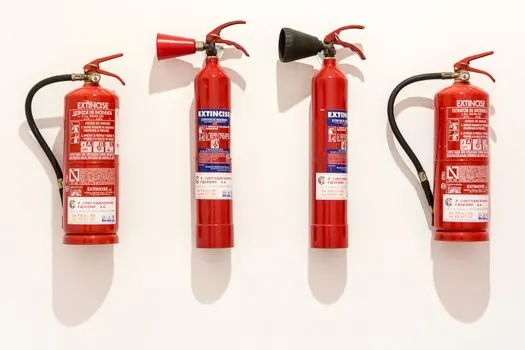
Do not choose a magnetic holder merely because it is electrically simple. For the fire extinguisher access route, equipment rooms, and other locations where obstruction matters, verify the door's held-open angle, the exposed hardware projection, and the manual closing path before ordering [S5].
The next procurement action is to obtain the door manufacturer's approved assembly information, the holder data sheet, and the alarm interface details. Track three acceptance points: successful release on alarm, unobstructed closing and latching, and restoration of the powered open state only after the cause has been investigated.