
Certified fire-door installation costs $400–$900 per door in 2026, while national pricing data places the average at $650 [S1].
Expect to pay $300–$600 for materials and $200–$500 for professional installation per door, and account for permits, fire-rated hardware, and post-installation inspections when creating the budget.
What the Installed Fire-Door Price Includes
The 2026 US planning range is $400–$900 per installed door, with an average of $650; the wider North Charleston dataset runs from $300 to $1,350 [S1]. Typical material spending is $300–$600 and professional fitting is $200–$500, although the lower installation allowance can be exceeded where framing or access is difficult [S1].
Relevant items include the door, compatible frame, hinges, latch or lock, closer, seals, signage and any required fire-rated glazing [S4][S5]. A complete budget also needs provision for permits, post-installation inspections, removal and disposal, and modification of the surrounding wall or frame [S1][S2].
The installed price also varies with the assembly format.
Compare Door Types by Rating, Cost and Maintenance
Hollow metal, solid-core wood, composite and glass assemblies serve different building and aesthetic requirements, so the lowest supply price is not the lowest life-cycle cost [S1][S4].
Higher ratings require more robust construction and therefore command a premium; a 90- or 120-minute door costs more than a 20- or 45-minute door, while custom sizes, decorative finishes and fire-rated glazing add further cost [S4].
Certified Installation Labor and Site Constraints
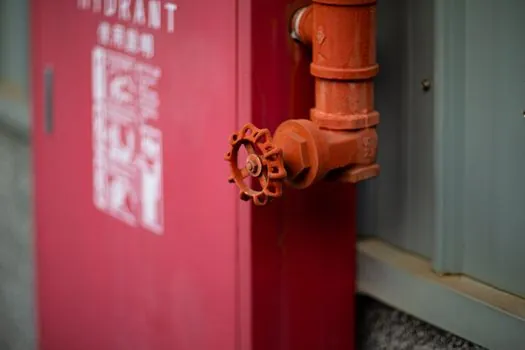
Door fitting labor is commonly estimated at $200–$500 per door in the US, while UK pricing published in June 2026 places a basic FD30 fitting at £30–£50 and a standard lining fit at £30–£50 [S1][S5]. A separate UK guide gives an average fitting cost around £400 and an installation time of approximately 2.5 hours, illustrating how site conditions and scope can move the result well beyond a simple labor-only allowance [S6].
Custom sizes can increase complexity and labor requirements, and door size affects the final cost. Basements, garages, upper floors and other difficult locations also add labor, while removal and disposal of an existing door may cost about $45 per cubic yard and removal labor is listed at $32 per hour for a steel-door replacement [S7].
A practical installation scope should identify the opening dimensions, rating, door material, frame condition, wall construction, hinge and latch arrangement, closer, seals, signage, glazing and access route. It should also state whether the price includes removal, disposal, permits, inspection, firestopping and repair of damaged framing. Without that detail, a nominal installation figure is not comparable between contractors.
Hardware and Ancillary Costs That Move the Budget
Hardware type and quality affect the overall cost, fire-rated doors require testing and certification, and a faulty installation can have disastrous consequences. UK pricing for hinges, handle, lock, bolt and overhead closer is £50–£200, while kick plates supplied and fitted cost £50–£80 [S5]. Intumescent fire-strip supply and fitting is £10–£30, lining is £40–£100, and door signage is £1–£5 [S5].
Basic FD30 timber doors illustrate the material spread: unglazed ply veneer costs £65–£80, oak veneer £175–£200, glazed ply £200–£250, and glazed oak £235–£600 [S5]. These are standard-size supply prices, so frame lining, ironmongery and labor still have to be added. Fire-rated glazing and specialized hardware affect the cost and introduce additional design considerations.
Most homeowners pay $400–$900 per door, while the national average cost for a fire door is $650.
Who Should Buy a Certified Fire Door
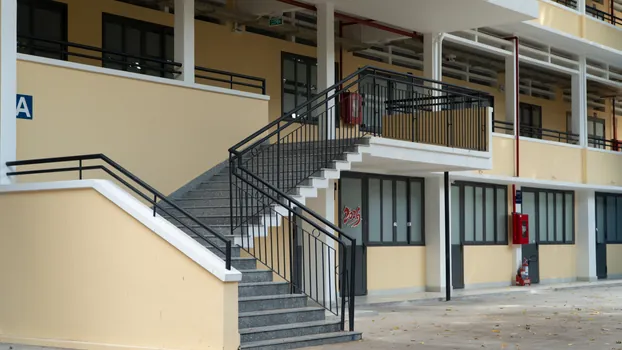
Fire doors are intended for openings that form part of a building’s fire-resistance strategy, including stairwells, corridors, entryways and compartment boundaries [S3]. The specified rating, tested assembly, frame, hardware and installation must match the building requirement [S3][S4].
Strict UK building regulations make DIY fire-door installation an option that is not available. UK guidance describes certified installation as vital and identifies strict building regulations that make DIY installation unsuitable [S5]. For a non-code interior opening with no fire-resistance requirement, a standard door remains the practical choice because a fire-rated assembly adds cost without delivering a required safety function.
Building owners also need a maintenance plan. Fire doors must remain operational, must not be propped open, and must not have closures or other components replaced with uncertified parts [S3]. Review fire door closer and electromagnetic hold-open selection when comparing closing methods, because the closer and hold-open arrangement must preserve the intended operation of the rated assembly.
Permits, Inspections and Exclusions That Affect the Final Bill
Permit and inspection fees vary by authority and are not included in the basic $400–$900 installed range [S1][S2]. A general contractor supervising the work may add 13%–22% to the underlying installation cost in the Homewyse model, while removal, disposal, sales tax and structural or service modifications are separate exclusions [S2].
The Homewyse basis assumes in-stock products, serviceable conditions and installation in an existing structure without framing or system modifications. It excludes hazardous-material testing, premium craftsmanship, expedited scheduling, excessive travel, removal, disposal, sales tax and permit or inspection fees [S2]. By contrast, the Angi range expressly calls for permits, fire-rated hardware and post-installation inspections to be included in the project budget [S1].
For a commercial project, obtain an itemized quote that separates door and frame, certified hardware, preparation, installation, firestopping, signage, glazing, removal, permits and inspection. For multi-opening work, the bulk-order cost breakdown for multi-floor buildings provides a useful comparison point because repeated assemblies can change material volume and labor productivity.
Total Cost of Ownership Beyond the Purchase Price

Installation cost is only one part of the fire-door budget because an inoperative or incomplete assembly can require corrective work, repeat inspection or replacement. Maintenance planning should cover periodic operation of the closer, inspection of seals and hardware, clearance around the leaf, and confirmation that fire doors are not propped open or modified with non-certified parts [S3].
Material choice changes the maintenance burden. Hollow metal is described as durable and relatively low maintenance, solid-core wood requires heavier maintenance, composite provides useful insulation but has lower durability than metal, and glass costs the most while presenting privacy and replacement considerations [S1]. The annual inspection and repair burden is therefore lower for a durable metal assembly where its visual finish is acceptable, while wood, composite and glazed assemblies require closer attention to finish, seals and glazing condition [S1].
Energy cost is not a universal line item because a fire door may be part of a compartment wall rather than a standalone insulated enclosure. Where insulation matters, composite and wood constructions can provide a thermal advantage, but the rated wall or glazed opening must still be selected as a compatible assembly [S1]. The defensible total-cost comparison is therefore purchase price plus installation and framing plus certification and inspection plus expected corrective and maintenance work over the door’s service life.
For budget control, track three measurable items after quotation: confirm the tested rating and complete hardware schedule, require written inclusion of permits and inspection, and price difficult access and frame modification as named allowances rather than leaving them to a general contingency.