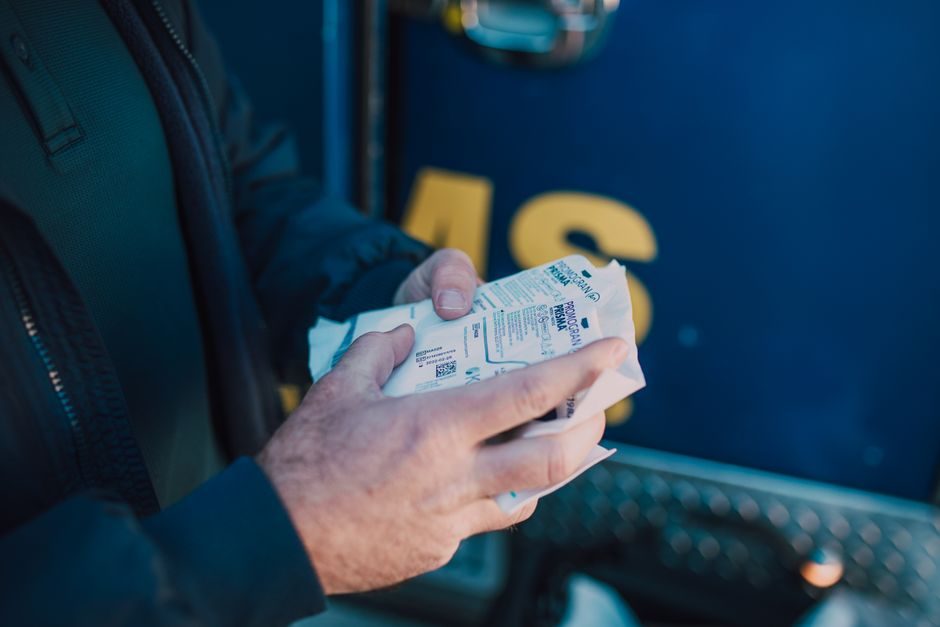
Bulk first aid kit pricing in mid-2026 opens at $1.00 per piece for a 1,000-unit minimum order from Chinese OEM Mayflower Enterprise, model MB9019 in durable nylon with tarpaulin waterproofing, ISO-aligned production, and 100,000-unit monthly capacity [S4]. On the retail shelf, the same category is sold for $7.87 (Adventure Medical Kits Ultralight & Watertight, Backcountry.com [S8], 2023-05) up to $20.60-$22.00 for Firstar's Hiking Camping Gear & Equipment Professional Survival Kit on the China-Firstar wholesale portal [S1]. The 10x+ spread is governed less by raw bag cost than by piece count, hazard class, and certification scope.
For B2B buyers, the relevant price band depends on whether the kit is a private-label promotional item, an ANSI/ISEA Z308.1 Class A or Class B workplace kit, a bloodborne-pathogen kit, or a sealed/sterile trauma pouch. This guide breaks the four cost drivers, walks the comparison axes, and flags the sourcing levers (MOQ, packaging, certification mark-up) that actually move the landed price.
Retail vs Bulk Price Bands: Where the Spread Lives
Retail first aid kits in the US market cluster in three bands: $7-$15 for ultralight/EDC (Adventure Medical Kits Ultralight & Watertight at $7.87 [S8]); $20-$35 for mid-range multi-piece kits (Firstar hiking/camping survival kit at $20.60-$22.00 [S1], eBay sealed 131-piece kit listings at $35.00 plus $32.56 international shipping [S2], 2023-08); and $50-$200+ for fully stocked OSHA/ANSI workplace kits [S10]. The Amazon First Aid Only FAO-428 131-piece All-Purpose Emergency Kit [S10] is FSA/HSA-eligible, indicating it is treated as a regulated medical-device-adjacent product rather than a generic promotional item.
Bulk OEM pricing from Chinese factories compresses the bands sharply: $1.00/piece at 1,000 MOQ for an ISO-standard nylon first aid bag from Mayflower (model MB9019) [S4]; Alibaba's first-aid-kit-packaging supplier index lists 2,861 suppliers, with the top 3 export markets for one featured supplier being Mid East 30%, Eastern Europe 20%, Western Europe 6%, and a 55.6% response rate [S7]. The 10x gap between $1.00 bulk and $7.87-$35.00 retail is the standard distribution, packaging, certification, and brand margin, not a quality multiple.
What Actually Moves Price: Four Cost Drivers
Driver 1, piece count and content grade. The FAO-428 lists 131 pieces including antiseptic wipes, gauze rolls, adhesive bandages, cold packs, and trauma dressings; the Adventure Medical Ultralight is built around 1-2 person, 1-2 day trip weight and uses lighter packaging [S8][S10]. Higher piece count means more sterile SKUs, more lot-controlled consumables, and more shelf-life management, all of which lift the unit cost independent of the bag itself.
Driver 2, hazard class. The Slashdot buyer's guide enumerates purpose-built variants: bloodborne pathogen, burn care, emergency response, welding, landscaping, trucking, logging, and commercial kits [S9]. Trauma and BBP kits carry nitrile gloves, CPR barriers, and fluid-control dressings, each of which adds $3-$8 to bill of materials versus a basic adhesive-bandage kit. Hazard-class content is the single largest non-piece-count driver.
Driver 3, certification and sterile-barrier packaging. Sealed/sterile kits listed at $35.00+ on eBay carry tamper-evident plastic seals and lot/expiry documentation [S2]; workplace kits carrying ANSI/ISEA Z308.1 Class A or Class B compliance require validated contents lists and dated consumables, which commands a 2x-3x premium over an unrated private-label bag. The American Red Cross recommends keeping a kit at home, in the car, and at work, which is the baseline that pushes buyers toward compliant configurations [S3].
Driver 4, MOQ and packaging format. The Mayflower MB9019 is sold in bulk packaging with sample cost borne by the buyer [S4]; Alibaba's supplier data confirms most Chinese OEM quotes are based on 500-1,000 unit MOQs with bulk carton packing [S7]. Dropping below 500 units typically adds 20-40% to unit cost; custom retail-box packaging adds another 10-20%.
Selection Criteria: Who Needs What
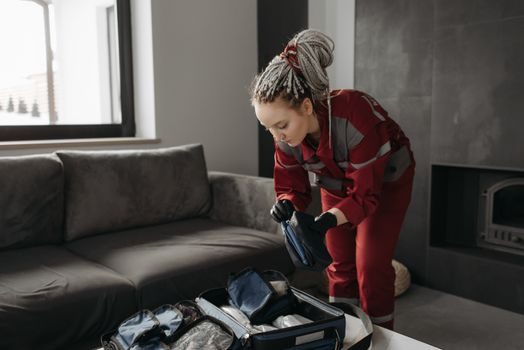
For retail/consumer buyers (home, car, hiking, camping), the relevant anchors are piece count, weight, and shelf life rather than certification mark-up. A 100-130 piece all-purpose kit at $20-$35 covers household cuts, sprains, and minor burns for 2-4 people for 3-5 years before consumables expire. Compact EDC kits at $7-$15 are sized for one person, 1-2 day trips, and prioritize waterproof cases (Adventure Medical Ultralight & Watertight) [S8].
For workplace/industrial buyers, ANSI/ISEA Z308.1 Class A vs Class B is the gating decision, and it is the exact class-and-hazard selection problem addressed in First Aid Kit Selection: Class, Hazard, and Compliance Gates. Class A covers common workplace injuries (wounds, burns, eye irritation); Class B adds trauma and major-injury supplies for higher-risk environments. Bloodborne-pathogen kits are a separate add-on. Industrial facilities typically also need plumbed or portable eye-wash stations within 10 seconds of the hazard, which is covered in Eye Wash Station Selection: Plumbed vs Portable, Flow, Tepid Range, Compliance and pairs with first-aid-kit planning on the same shop floor.
For B2B private-label buyers (promotional products, retail brands, e-commerce resellers), the calculation is OEM cost plus packaging plus certification: $1.00-$3.00/piece at 1,000 MOQ, plus 10-20% for retail box, plus 20-40% for FDA-registered medical-device listing if any component is sterile. Brands that skip the medical-device listing and stay in the "general-purpose first aid" lane keep the BOM at the bottom of the band.
Comparison Table: Kit Type vs Price Band vs Buyer
Kit type, retail price band (USD), bulk OEM band (USD, 1k+ MOQ), primary buyer, and gating spec: ultralight/EDC, $7-$15 [S8], $1.50-$3.00, backpackers, weight under 4 oz, waterproof; mid-range all-purpose, $20-$35 [S1][S2], $2.00-$4.00, home/car/small office, 50-130 pieces, ANSI Class A-friendly; bulk private-label promotional, $1.00-$3.00 retail equivalent, $1.00-$2.00 [S4], promotional/retail brand, MOQ 1,000, ISO production; sealed/sterile trauma, $35.00+ [S2], $4.00-$8.00, EMS, first responders, tamper-evident seal, lot/expiry docs; 131-piece all-purpose, $35-$50 [S10], $3.00-$6.00, FSA/HSA retail, home/office/travel, 131 pieces, FSA/HSA eligible.
Standards and Sourcing Constraints
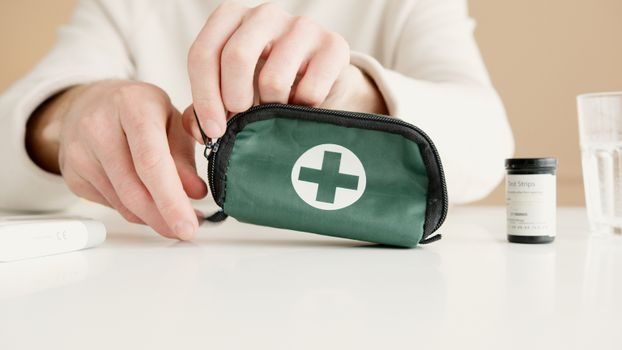
US workplace kits for general industry fall under 29 CFR 1910.151 with ANSI/ISEA Z308.1 as the de facto contents standard; Class A vs Class B determines the minimum piece count and trauma supplies. Consumer kits are not regulated to a single federal standard but must comply with FDA 21 CFR 820 quality-system regulation if marketed as a medical device. The American Red Cross kit-construction guidance is the most-cited consumer reference and recommends at minimum: 2 absorbent compress dressings, 25 adhesive bandages of assorted sizes, 1 adhesive cloth tape, 5 antibiotic ointment packets, 5 antiseptic wipe packets, 2 packets of aspirin, 1 blanket, 1 breathing barrier with one-way valve, 1 instant cold compress, 2 pairs of nonlatex gloves, 2 hydrocortisone ointment packets, scissors, roller bandages, sterile gauze pads, a thermometer, triangular bandages, and tweezers [S3].
For B2B buyers sourcing from China, the gating documents are: ISO 13485 (medical-device QMS, required if any sterile component is claimed), product liability insurance, FDA establishment registration for US import, and the kit-level Certificate of Conformity listing each consumable's lot/expiry. The Mayflower MB9019 listing shows ISO-standard production and a 1,000-piece MOQ with buyer-borne sample cost [S4]; Alibaba's 2,861-supplier index [S7] shows the depth of the supply base, with Mid East 30% / Eastern Europe 20% / Western Europe 6% as representative top-3 export markets for one packaging-focused supplier. The Firstar product index shows 282 wholesale kit SKUs spanning home, car, sports, travel, workplace, and snake-bite categories [S1].
Trackable Signals and Sourcing Next Step
The 2026 mid-year market is signalling two shifts worth watching: (1) compression of the mid-range $20-$35 retail band as private-label Amazon brands (First Aid Only, Adventure Medical) push 100-130 piece kits toward $25; (2) rising compliance scrutiny on FSA/HSA-eligible listings, which is pushing more retail SKUs to publish lot/expiry documentation explicitly [S10]. For a B2B buyer, the next concrete step is to request a per-piece quote on a 1,000-unit Class A ANSI Z308.1-aligned kit from two Chinese OEM sources plus one US distributor, and to compare the landed price including the FDA establishment-registration cost (~$5,500/year) amortized over the order volume. For retail buyers, the decision is simpler: match piece count to household size and replace consumables on the 3-year shelf-life cycle the Red Cross recommends [S3].
For component-level specifications, see linear guide, and crossed roller guide.