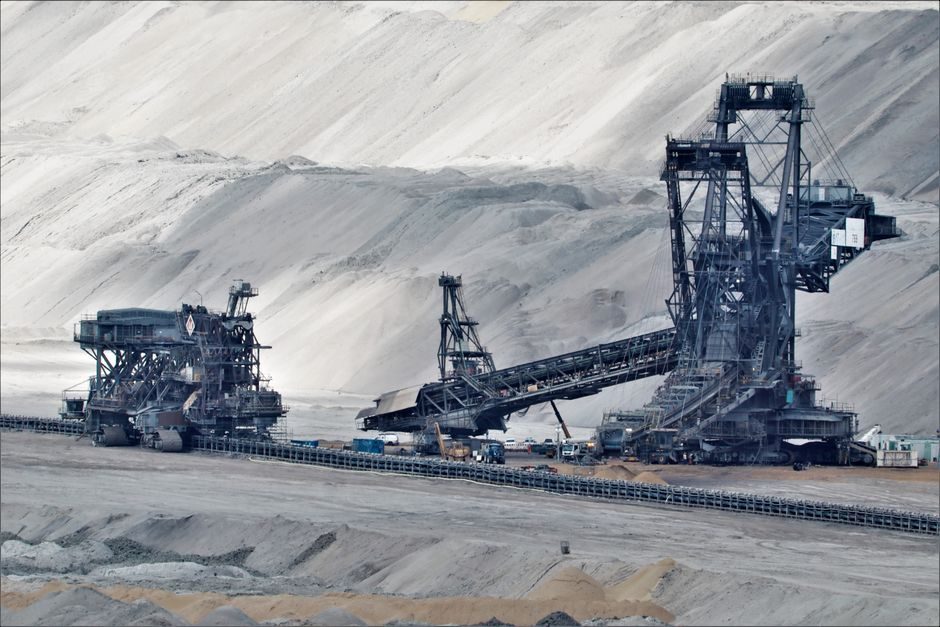
Underground and open-pit mines face a tightly bounded set of toxic and combustible hazards, and the gas detection package in 2026 is built around a stable four-gas core: methane (CH4), oxygen (O2), carbon monoxide (CO), and hydrogen sulfide (H2S), with nitric oxide (NO), nitrogen dioxide (NO2), and sulfur dioxide (SO2) added on coal and diesel-exhaust heavy faces [S1].
RKI Instruments is one of the established U.S. manufacturers marketing a full detector line that explicitly covers utilities, mining, police, fire, rescue, hazmat, shipping, transportation, telecom, refineries, offshore drilling platforms, petrochemical plants, parking garages, wastewater treatment, pharmaceuticals, manufacturing, HVAC, and laboratory duty, illustrating the breadth of sensor platforms cross-applied from mining into adjacent process industries [S1].
Hazard Map: What a Mining Detector Must Actually See
Hard-rock metal mines prioritise methane pockets in stopes, oxygen displacement in blind headings, and carbon monoxide from diesel LHDs and shot-firing rounds; coal mines add the CO/NO/NO2 combustion-product triangle plus H2S from spontaneous heating of pyritic seams. RKI's published detection menu covers the full panel: H2S, CO, O2, SO2, SiH4, PH3, NH3, NO2, AsH3, SO2, Cl2, F2, ClO2, O3, combustible gases, and VOCs [S1].
For the typical coal-face or metal-mine portal use case, four sensing slots are non-negotiable: a pellistor/catalytic bead or NDIR combustible channel for CH4, a lead-free electrochemical O2 cell, and paired CO and H2S electrochemical cells. The same gas-panel logic drives specification in chemical plants, and the chemical-plant sensor-class map walks through how ranges, cross-sensitivities, and T90 response differ between mining and process duty.
Sensor Class Comparison: Pellistor, NDIR, Electrochemical, MOS
Combustible-gas detection on a mining portable runs on either a catalytic bead (pellistor) or a non-dispersive infrared (NDIR) cell. Pellistors are cheap and respond to the full flammable spectrum, but they require oxygen to operate, can be poisoned by silicones, lead, and sulfur compounds, and drift in low-O2 atmospheres [S1]. NDIR measures CH4 selectively by absorption at ~3.3 µm, runs in inert atmospheres, and is immune to chemical poisons, but costs more and ignores higher alkanes.
Toxic-gas channels on the same portable are almost universally lead-free electrochemical cells in 2026, with MOS (metal-oxide semiconductor) reserved for low-cost VOC screening. NDIR and electrochemical CO cells both exist; electrochemical H2S cells deliver sub-ppm resolution but cross-react with NO and SO2, which matters on a coal face with overlapping combustion gases. For a portable unit, the operating-life budget is typically 24-36 months on CO/H2S cells and 12-24 months on O2, with sensor replacement cost a meaningful fraction of the new-unit price [S1].
Portable vs Fixed: Where Each Architecture Wins in Mining
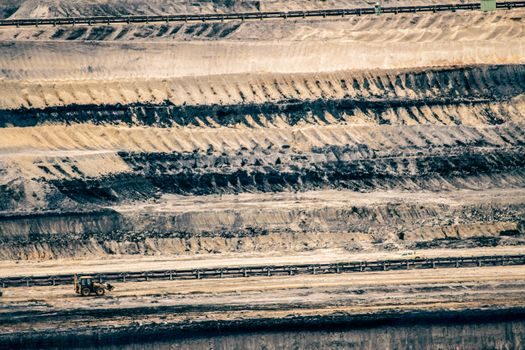
Portable four-gas monitors clip to the miner's belt or are hand-carried on the mantrip; they provide personal exposure monitoring and must run a minimum of 12-14 hours on a single charge for a full underground shift, with audible/visual alarms at preset thresholds and a vibrating alarm for high-noise headings. RKI's portable product family explicitly includes pocket-size instruments for personnel protection, alongside the larger fixed systems that are installed permanently in hazardous areas, field sites, or stations [S1].
Fixed systems are mounted in ventilation returns, at diesel-refuelling bays, in crusher galleries, and at conveyor transfer points; they typically drive exhaust fans, fire suppression, and plant shutdown through 4-20 mA or relay contacts. In coal mines, fixed CH4 monitors in the return airway are the regulatory backbone, and the portable gas detector trade-off details how head count, shift length, and confined-space entry drive the fixed-to-portable ratio.
Certification and Ingress Protection: MSHA, IECEx, and IP Ratings
Any detector taken underground in a U.S. coal mine must carry MSHA approval (Mine Safety and Health Administration), and diesel-powered equipment in particular is held to 30 CFR 75 field-strength and permissibility rules. Outside North America, IECEx and ATEX zones 1/2 hazardous-area certification take over, with intrinsic-safety (Ex ia IIC) interfaces for the portable side and flameproof (Ex d) enclosures common on fixed units. Ingress protection of IP65 is a common baseline for fixed heads, with IP66/IP67 specified for washer-down locations and wet headings. [S1]
The same selection logic appears in fixed gas detector infrastructure for process plants; the mine version simply trades the petrochemical zone classification for a coal-dust or methane-air zone. Sensor encapsulation, conformal coating on PCBs, and drop-test ratings (typically 3-6 m onto concrete) are the practical differentiators when the spec sheet is otherwise similar.
Calibration, Bump-Test, and Sensor-Life Discipline
A mining fleet is only as good as its bump-test discipline: a daily pre-shift bump test with a defined gas concentration (typically 50% LEL for CH4, 25 ppm for H2S, 50 ppm for CO, and 20.9% O2 for the oxygen cell) is the only way to confirm that a working alarm will actually fire underground. RKI's product line explicitly supports both field calibration and dock-based bump stations, with automatic flow control and pass/fail logging for fleet audits [S1].
Sensor-replacement intervals are the line-item that most fleets under-budget: electrochemical H2S and CO cells are commonly rated at 24 months, O2 cells at 12-24 months, and catalytic-bead combustible sensors at 36 months in clean air, all of which collapse in high-temperature, high-humidity headings. The combustible gas detector page lays out the LEL versus ppm-by-volume reporting difference that mining and process crews often conflate when sharing instruments.
Selection Checklist for Spec Writing
A defensible 2026 mining-detector spec needs: (1) the four-gas minimum of CH4/O2/CO/H2S with explicit cell-technology choices (pellistor or NDIR for CH4, electrochemical for the toxics), (2) MSHA or IECEx certification aligned to the mine jurisdiction, (3) minimum 14-hour battery runtime on portables, (4) IP65 minimum ingress protection, (5) documented bump-test protocol with 50% LEL and 25 ppm H2S test gas, and (6) sensor-life and replacement-cost line items separated from the instrument purchase price [S1].
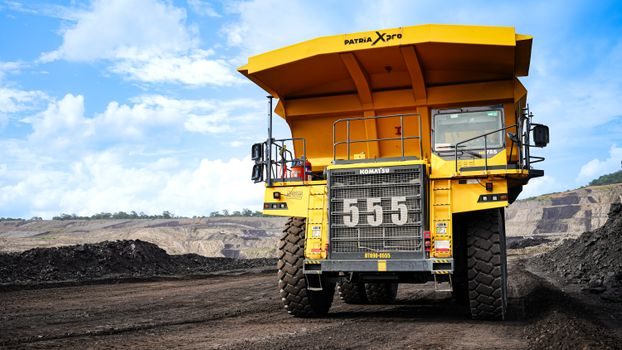
For the full multi-gas architecture and how 4-gas, 5-gas, and 6-gas portables map to specific mine headings, the multi-gas detector reference lays out the sensor-slot economics. Buyers comparing mining-grade units should also review the gas detector entry point for the cross-industry sensor taxonomy, and the mining dump truck reference for the diesel-emission CO/NOx duty cycle that drives fixed-monitor placement around haul routes.
Trackable signals for the next buying cycle: MSHA-approved six-gas portables (adding SO2 and NO2 for coal-face diesel duty) entering mainstream fleet spec; IECEx-certified NDIR CH4 sensors replacing legacy pellistors in low-O2 headings; and a 24-month standardised sensor-replacement cycle being written into major-operator procurement templates.