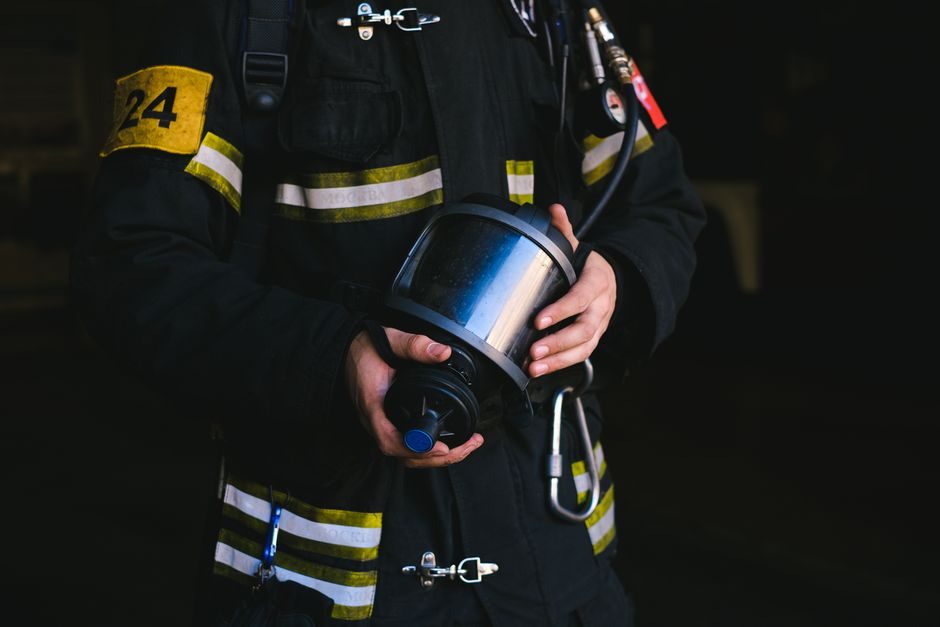
Gas detectors fall into four orthogonal classification axes — target gas, sensing principle, form factor, and measurement geometry — and any engineering specification must lock down all four before a part number is released [S1][S2].
Target gas is the first cut: toxic gases (H2S, CO, NH3, Cl2, NO2, SO2, O3), combustible gases (methane CH4, propane C3H8, LPG, gasoline vapour), asphyxiant/oxygen (O2 deficiency or enrichment), and volatile organic compounds (VOCs) each map to a different primary sensor technology [S1][S2].
Sensing Principles and the Gases They Are Built For
Electrochemical cells deliver ppm-level resolution for toxic gases such as H2S (0–100 ppm typical range), CO (0–500 ppm), NH3, Cl2, NO2 and SO2, and are the dominant technology inside a portable gas detector carried by a worker entering a vessel [S1].
Catalytic bead (pellistor) sensors detect combustible gases by oxidising them on a heated catalyst; they read 0–100% LEL and are the workhorse for methane, propane and petrol vapour in refineries, parking garages and gas utilities [S1][S2]. Infrared (NDIR) point and open-path detectors use optical absorption, are poison-resistant, and suit hydrocarbon detection where catalytic beads would be fouled [S3]. Photoionisation detectors (PID) measure VOCs at sub-ppm levels, and are specified for tank cleaning, soil remediation and pharmaceutical solvent handling. Semiconductor (metal-oxide) sensors give a low-cost response to LPG and natural gas in domestic alarms, while paramagnetic cells provide a stable O2 reading in background gases where electrochemical O2 sensors would drift [S1][S5].
Fixed vs Portable: Form Factor Drives Everything Else
Fixed gas detectors are permanently installed at points of expected leakage — near valves, compressor skids, battery-charging rooms, basement car parks, sewer manholes and mine galleries — and feed a control panel via 4–20 mA, relay or digital bus [S2][S3]. A fixed gas detector typically uses NDIR for hydrocarbons, electrochemical for toxics, and a separate paramagnetic or long-life electrochemical cell for O2, with an enclosure rated for the hazardous area classification (Ex d, Ex e, Ex i) of the plant [S3].
Portable instruments split into single-gas personal monitors (small, worn on the lapel, 24-month typical runtime) and multi-gas detector confined-space units carrying four sensors — LEL, O2, CO, H2S as a baseline, with optional fifth/sixth slots for SO2, NO2 or IR-CH4 [S2][S4]. Pumped versus diffusion sampling is the key sub-decision: pumped units (with an internal draw) are mandatory for confined-space pre-entry testing and for remote sampling lines, while diffusion units are acceptable for ambient personal monitoring. Bump-test and calibration intervals are typically 30–180 days depending on the sensor chemistry and the manufacturer's warranty terms [S4].
Point, Open-Path and Acoustic Detection Geometry
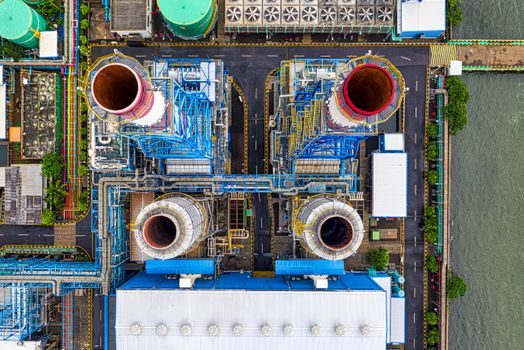
Point detectors measure gas concentration along a short path (a few centimetres) between the sensor and the atmosphere; this is the geometry used in nearly all toxic gas detector installations [S3]. Open-path (line-of-sight) detectors project an IR beam across distances of 5 m to 120 m and integrate the average hydrocarbon concentration over the beam, which makes them the correct choice for perimeter monitoring of LNG terminals, offshore drilling platforms and large refinery process areas where a point detector would miss a plume drifting between units [S3]. Ultrasonic / acoustic gas leak detectors complement both: they listen for the 25–80 kHz pressure-wave signature of a pressurised gas release and are not concentration-measuring instruments at all, but trip on the leak event itself, making them the right primary layer for compressor stations handling natural gas or hydrogen.
Application Mapping: Where Each Class Earns Its Place
Confined-space entry in a chemical plant or sewer requires a pumped 4-gas portable monitor with O2, LEL, CO, H2S; sewer atmospheres additionally justify an NDIR CH4 channel because catalytic beads can be poisoned by hydrogen sulphide [S2]. Basement car parks specify wall-mounted CO and NO2 fixed detectors tied to ventilation interlocks, with typical alarm setpoints around 25 ppm CO (8 h TWA-adjacent) and 3 ppm NO2 [S2]. Domestic kitchens, RVs and small commercial premises are served by low-cost semiconductor or electrochemical home gas alarms sounding at roughly 85 dB on detection of LPG, natural gas or CO [S2]. Mines combine fixed CH4 infrared heads in headings with portable personal monitors carried by miners, since methane is both an asphyxiant displacement hazard and an explosive gas above 5% by volume in air [S2]. Hydrogen, ammonia and chlorine handling plants are special: H2 requires a dedicated catalytic or electrochemical cell (the lower explosive limit is 4% vol), NH3 needs an electrochemical sensor rated for high concentrations (0–100 ppm and 0–1000 ppm ranges coexist), and Cl2/ClO2 demand electrochemical cells in acidic electrolyte [S1][S6].
Selection Criteria, Trade-offs and a Side-by-Side Comparison
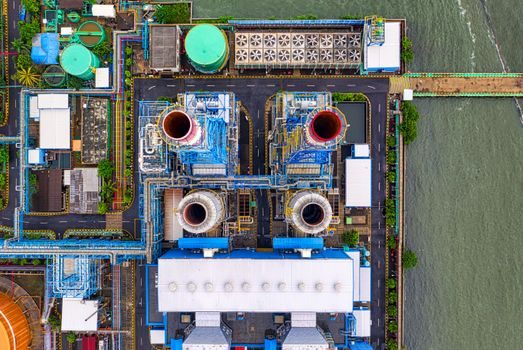
Specifying a gas detector is a four-axis trade. Cost per point is lowest for catalytic bead / semiconductor, mid-range for electrochemical, highest for NDIR and PID. Poison resistance is excellent for IR and paramagnetic, acceptable for semiconductor, marginal for catalytic bead in silicone or H2S atmospheres. Response time (T90) runs 5–15 s for catalytic bead, under 30 s for most electrochemical, 1–5 s for IR point, and tens of seconds for open-path (because the measurement is path-averaged). Calibration interval is typically 90 days for catalytic and semiconductor, 6–12 months for IR and paramagnetic, 1–3 months for electrochemical toxics [S1][S3][S4]. A practical selection rule: IR for hydrocarbons in dirty or poison-prone service, electrochemical for ppm-level toxics, catalytic bead for cost-driven LEL coverage in clean air, PID for VOC and solvent vapour, paramagnetic for O2 in CO2-rich backgrounds, and semiconductor for consumer-grade LPG/CNG alarms only. Selecting optics, output protocols and Ex certification in parallel for an NDIR build is covered in detail in the infrared gas detector selection guide.
Limitations, Failure Modes and Standards Anchors
Every sensor class has a defined failure pattern. Electrochemical cells die from electrolyte dry-out (typical 18–36 month service life) and from exposure to incompatible gases. Catalytic beads are poisoned by silicones, lead, sulphur and halogenated compounds, and can give a falsely low reading in oxygen-deficient atmospheres. NDIR units fail to detect non-IR-absorbing gases (H2, NH3, HCN) and can read low on heavy hydrocarbons at low concentration because of cross-sensitivity to humidity. PIDs require a defined UV lamp energy and a clean window, and are sensitive to humidity [S1][S2][S3]. Functional safety, hazardous-area certification (Ex d flameproof, Ex e increased safety, Ex i intrinsic safety), and performance standards (IEC 60079-29-1 for combustible-gas detectors, IEC 60079-29-2 for selection/installation, IEC 62990 for oxygen and toxic, plus regional schemes ATEX 2014/34/EU in Europe, IECEx globally, and ISA/UL in North America) all sit on top of the sensor decision and are mandatory for any fixed installation in a classified zone. Two trackable signals close this out: (1) the gradual replacement of disposable catalytic-bead LEL probes with IR-LEL heads in pharmaceutical and hydrogen-handling plants, and (2) the convergence of fixed detectors onto 4–20 mA + HART or Ethernet-APL output for integration with plant DCS rather than standalone control panels [S1][S3][S4].