Electronic grade glass fiber selection is governed by three separate duty envelopes: dielectric reinforcement for PCB laminates, structural reinforcement for housings and substrates, and light transmission for optical and sensing links, each demanding a different glass family and specification set.
The 2026 Materials Today Communications review on glass fibers for advanced composites frames selection as a service-condition problem rather than a chemistry problem, explicitly listing E-glass, S-glass, R-glass, D-glass, C-glass, E-CR-glass, and A-glass as the seven grades that recur across electrical, structural, and corrosion-loaded applications [S2].
Electronic Grade Grades and Their PCB Roles
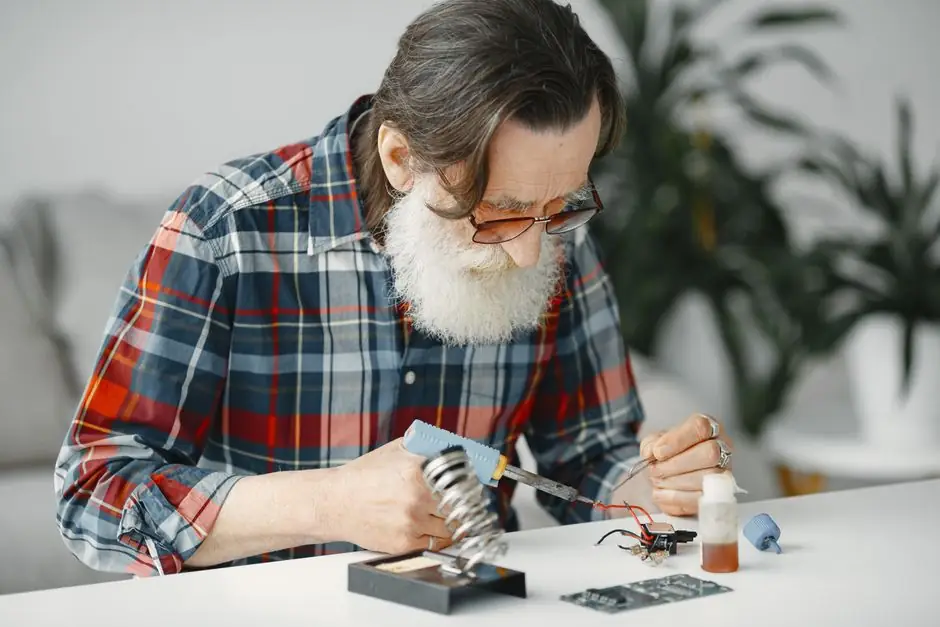
Electronic grade (E-grade) glass fiber is woven into cloth that becomes the mechanical backbone of copper-clad laminates such as FR-4, with the cloth style, surface finish, and resin compatibility driving the electrical loss budget of the finished board [S6]. Mandatory testing on these boards covers dielectric breakdown, volume and surface resistivity, comparative tracking index, and flammability, with the test programme being the gating step before a laminate can be released to a fabricator [S6].
The most common reinforcement is E-glass, an alumino-borosilicate composition with alkali oxide content held below 1% w/w, which is why it is the default grade for glass-reinforced plastics and the PCB laminate family [S5]. Where the application demands lower dielectric loss, D-glass (a borosilicate composition named specifically for its low dielectric constant) is specified for radome and high-frequency substrate duty, while E-CR-glass adds improved acid resistance for harsh chemical environments [S5].
Structural vs. Optical: Two Different Material Branches
Structural reinforcements and optical fibers share the same raw material family but diverge sharply in specification. S-glass delivers roughly 30% higher tensile strength than E-glass along with better retention of properties at elevated temperature, which is why it is specified for aerospace and high-performance composite parts rather than for PCB reinforcement [S1]. S-glass, R-glass, and E-glass are all sized and bundled for composite laminate use, with sizing chemistry, filament diameter, and roving tex being the variables that actually drive laminate performance [S2].
Optical links run on a separate branch: high-purity silica for long-haul telecommunication with a numerical aperture around 0.2, doped silica for measurement systems with NA between 0.37 and 0.39, and multi-component glasses such as borosilicate for short-distance lighting and image guides with acceptance angles up to 120 degrees for light guides and 180 degrees for image guides [S3]. These optical grades are drawn as hair-fine filaments from molten silica and depend on total internal reflection between a high-index core and a lower-index cladding, which is fundamentally different from how reinforcement fibers function in a composite [S4].
Operating Limits Engineers Must Verify
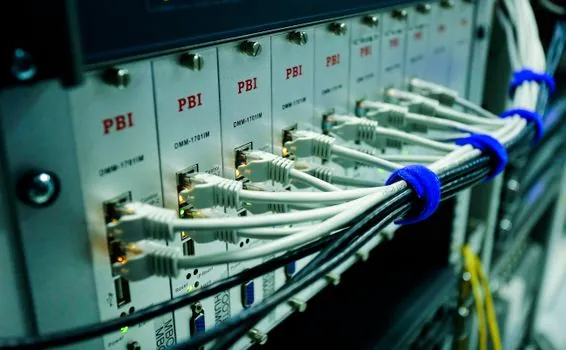
Glass optical fibers in industrial service are typically rated from -40 to +900 degrees F, a window that comfortably covers most indoor electronics cabinets, outdoor enclosures, and under-hood automotive electronics, but which rules out any application near a furnace, soldering iron tip, or high-power RF component without derating [S7]. Optical fiber also carries no risk of electrical interference, which is the property that makes it the default medium for decoupling sensors and cameras from the electronics that read them [S3].
For structural composite housings, the relevant limits are matrix-dominated: long-term performance is governed by melt-processing stability, fiber diameter, flaw distribution, sizing durability, matrix compatibility, and the specific processing route used, so two laminates made from nominally the same E-glass roving can behave very differently in service if the sizing or cure cycle is changed [S2]. Reinforcement fibers also have a documented advantage over carbon fiber in damage tolerance for impact loading, with significantly lower brittleness in composite form, which matters for handheld and wearable electronics enclosures [S5].
Selection Criteria Comparison Across Glass Families
Across the seven standard grades, four criteria drive most of the decisions in electronics: dielectric loss, mechanical strength, temperature ceiling, and chemical resistance, and they line up as follows based on the cited references. E-glass is the default for PCB reinforcement with low alkali and balanced cost; S-glass is roughly 30% stronger than E-glass and retains properties at elevated temperature; D-glass is the borosilicate grade specified when a low dielectric constant is the primary requirement; E-CR-glass matches E-glass on electrical behaviour but adds improved acid resistance for chemical plants and battery production areas [S1][S5]. For purely optical data and imaging links, the choice is high-purity silica (NA about 0.2, telecom), doped silica (NA 0.37 to 0.39, measurement), or multi-component borosilicate (NA up to 1, lighting and imaging) [S3].
The 2026 market data values electronic grade fiber glass at USD 2.74 Billion for 2026, with a projection to USD 4.9 Billion by 2035, and the supplier base includes major Japanese and European glass makers such as Nippon Electric Glass, which publishes a multi-grade electronic glass fiber product family covering reinforcement cloth, roving, and chopped strand [S8][S9].
Mandatory Testing and Compliance for Electronic Grade Boards
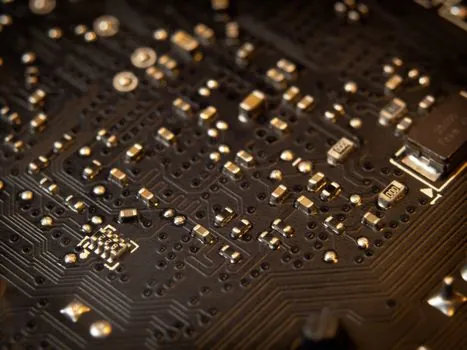
Glass fiber-reinforced PCB laminates cannot ship into commercial electronics without a defined battery of tests, and the published testing requirements cover dielectric strength, insulation resistance, comparative tracking index, flammability classification, and dimensional stability under thermal stress [S6]. The testing laboratory must be selected for accreditation against the relevant electrical and electronic test standards, and the test report becomes part of the laminate's release documentation for downstream PCB fabricators [S6].
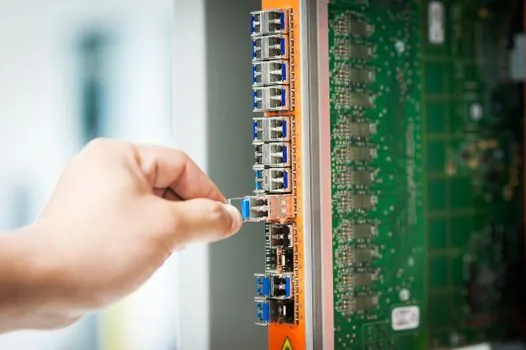
For optical and imaging links, the verification path is different: nondestructive coordinate measurement of fiber geometry, attenuation testing, and visual inspection of end-face polish are the routine checks used by specialty manufacturers such as Precision Electronic Glass, which serves medical, scientific, analytical, and industrial instrument customers [S4]. This split between materials testing for laminates and geometry testing for optical fibers is the reason electronics teams typically keep two separate qualification tracks open for glass-based components.
Limitations and Common Failure Modes
Glass fiber composites fail in well-known ways that the 2026 review explicitly attributes to interphase and processing variables rather than to the fiber itself: poor fiber-matrix adhesion, sizing breakdown under moisture, micro-cracking from thermal cycling, and strength loss after long-term environmental exposure are the dominant degradation mechanisms [S2]. Optical fibers have a different failure mode set, with microbending loss, end-face contamination, and cladding damage being the routine service issues, and the high temperature ceiling of around +900 degrees F setting the absolute upper bound for glass optical links [S7][S3].
For electronics specifically, the recurring specification mistake is to pick a reinforcement grade by dielectric number alone, without checking the alkali content, sizing chemistry, and the actual PCB processing route the fabricator will run, since the same E-glass cloth can deliver different loss tangents depending on how it is woven, desized, and pressed [S2][S6].
Sourcing, Standards, and Reference Materials
The standard grade nomenclature (E, S, R, D, C, E-CR, A) is consistently used across the open literature and manufacturer datasheets, with E-glass defined as alumino-borosilicate glass with alkali oxides held below 1% w/w and S-glass defined as alumino-silicate glass with no magnesium or calcium oxide [S5]. The 2026 review article in Materials Today Communications is the most current peer-reviewed reference for performance-driven selection methodology and is published under a Creative Commons open-access license [S2].
Engineers who need a broader dielectric substrate context beyond glass can compare the glass fiber encyclopedia entry with the optical glass reference, since both materials sit in adjacent slots on the electronics material menu and are frequently confused in procurement. For applications where the duty envelope pushes toward chemical resistance or thermal insulation rather than electrical performance, the sight glass reference covers a different industrial use of the same base material family.
The next trackable signals for this category are the 2026 release of new datasheet revisions from major electronic glass fiber suppliers following the open-access publication of the Materials Today Communications review, and the next quarterly update to the electronic grade fiber glass market sizing, which currently sits at USD 2.74 Billion for 2026 with a 2035 projection of USD 4.9 Billion [S2][S9].