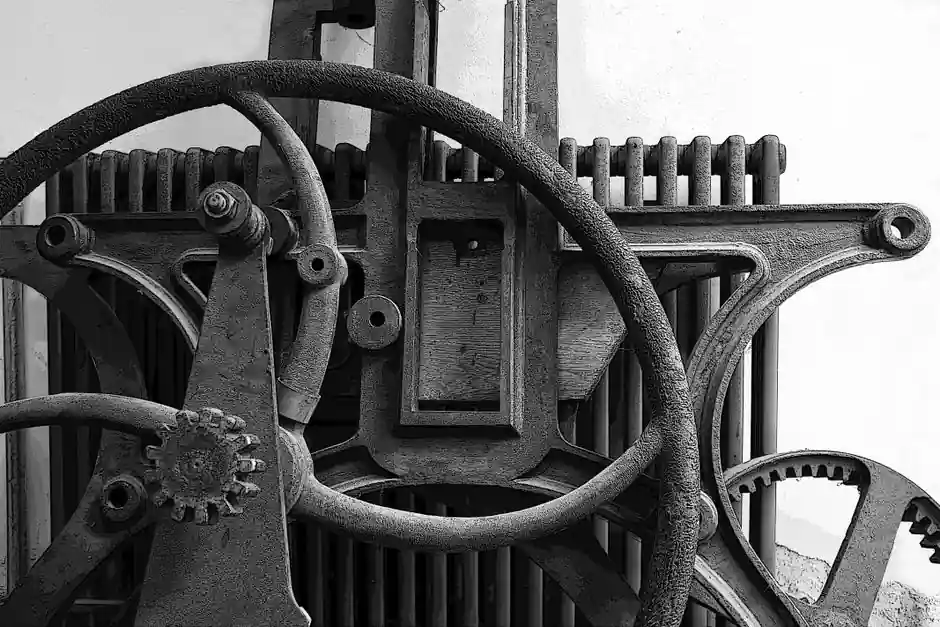
A large gray iron machine base normally requires 30–45 days for patterns and sample production before batch casting can begin [S4].
Total delivery time is affected by multiple production processes, and it is difficult to specify because delivery times can be shorter when production is not busy and the defective rate is low, or longer under other conditions [S4].
Separate Tooling Time From Production Time
The first project gate is not the metal pour. Foundries commonly need 30–45 days to manufacture the patterns and initial samples, and batch production starts only after the customer approves those samples [S4]. For a one-piece machine base, the pattern may remain the principal cost driver even if the foundry can eventually cast the part in a single operation.
After order release, the production sequence includes production scheduling, mold and core preparation, melting, pouring, cooling, shakeout, cleaning, grinding, inspection, and optional machining [S2][S4]. Before batch production, foundries need about 30 to 45 days to make metal patterns and samples, after which the patterns can be used for batch production once the samples are approved [S4].
One-off bases can therefore take longer to prepare, cool, inspect, and finish than high-volume repeat orders. The cast iron process is suitable for a rigid bed, but the quotation should separate the casting operation from post-cast stress relief and precision machining.
Size, Weight, And Design Control The Schedule
Large gray iron castings require more metal, larger molds, heavier handling, deeper cleaning, and longer cooling than small components.
Design for manufacture before asking for a delivery promise. A large, simple plate with bosses, ribs, and machined mounting features can be easier to mold and inspect than a complicated one-piece base with thin webs, deep pockets, or inaccessible cores. Iron castings are produced from molten iron with carbon content typically greater than steel and usually between 2% and an unspecified upper value [S2].
For buyers comparing alternatives, a one-piece gray iron bed, a fabricated steel bed, and a mineral-cast bed have different supply chains. Gray iron provides strong vibration damping and good machinability but requires metal tooling and foundry capacity [S3]. Steel fabrication reduces dependence on a casting pattern but still depends on plate procurement, welding, stress control, and machining. Mineral casting uses a cold process without casting-pattern production, and its machine bases can include threaded inserts, sensors, and coated surfaces [S1].
Compare Large Machine Base Options
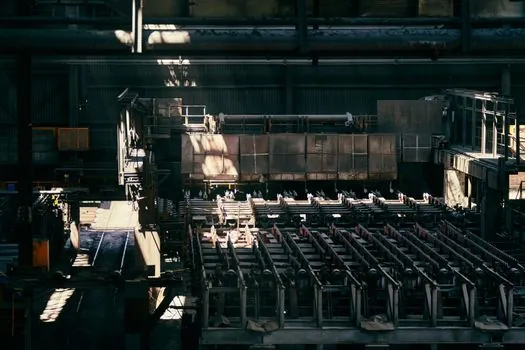
Gray iron, fabricated steel, and mineral casting should be compared on four criteria: vibration control, one-piece geometry, environmental tooling, and downstream machining. Gray iron offers high damping through its flake graphite structure and is readily machined because graphite acts as a lubricant during cutting [S3]. Its disadvantages are the 30–45 day pattern and sample phase for a new casting and the need to wait for mold capacity [S4].
Fabricated steel can shorten pattern dependence, but weld fabrication introduces separate fixture, fit-up, welding, distortion-control, and machining operations. Mineral casting technology used in machine beds and foundations delivers exceptional vibration damping, chemical resistance, and environmental sustainability [S1]. It is a credible option for precision machinery, but an OEM must confirm insert loads, stiffness, mounting practice, coating requirements, and factory acceptance criteria before substitution.
The comparison is not simply cost versus delivery time. Gray iron is usually the functional choice for a massive, stable, vibration-sensitive bed when the project can absorb tooling and foundry lead time. Mineral casting can remove metal-casting patterns and shorten processing, while steel fabrication may suit lower-volume projects that can be split into weldments and machined sections. The mineral-cast machine-base option should not be treated as a generic aluminum decision, since its damping, density, thermal conductivity, and corrosion behavior come from the quartz-filled epoxy system rather than an aluminum alloy [S1].
Order Timing, Capacity, And Quality Drive Queue Risk
Foundry capacity is the second uncertain interval after tooling. The cited production sequence assigns 10–20 days to arranging an order because molding machines and sand molds may already be committed to existing work [S4]. Continuous orders or a customer demand plan can allow the foundry to schedule production in advance and remove some of that administrative interval, but a one-off machine base is less likely to benefit from that route.
Reported stage times include about 7 days for shell or green-sand mold preparation, followed by melting and natural cooling in the mold [S4]. The cited electric furnace can melt 30 tons of metal per day, but melting throughput does not mean a 30-ton casting is ready the same day. A large casting still has to cool in its mold, undergo shakeout and cleaning, lose gating and parting-line material through grinding, and pass dimensional and surface inspection [S2][S4].
Quality problems can extend delivery, whereas a low rejection rate and available capacity shorten it [S4]. An experienced supplier should identify inspection hold points before the order is released, particularly for a base carrying precision mounts. The thermal properties of cast iron also matter because heat flow affects dimensional stability and the machining allowance strategy around guideways and bearing seats.
Cooling And Aging Do Not Replace Process Control
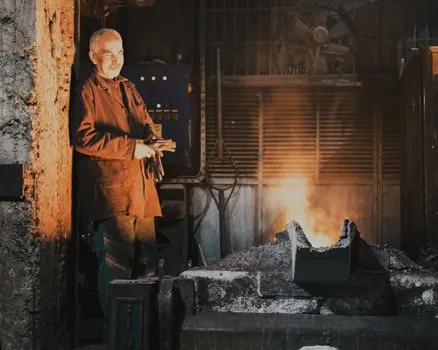
A new gray iron casting does not require months of outdoor curing before machining once it has cooled, but aging and post-molding heat treatment are distinct from the production schedule [S5]. One practical response notes that castings may be aged for stress relief and that the same purpose can be achieved with a post-molding heat treatment, rather than storage alone [S5].
The more useful qualification for a machine base is dimensional repeatability. A customer test after 48 hours of thermal cycling confirmed repeatability within ±0.01 mm and subsequently standardized gray iron for the application [S3]. That figure is a project-specific validation result, not a universal gray iron tolerance. It demonstrates why an acceptance protocol should include a defined temperature cycle, datum scheme, and measurement uncertainty before the casting is released for final machining.
Machining should be planned against the casting process, not started immediately merely because the metal feels cold. Residual sand, parting lines, riser remnants, and dimensional variation can affect cutting practice, while stress relief may alter the machining sequence [S4][S5]. A large base should also include space for fixture access, tool paths, datum establishment, and inspection of mounting interfaces.
Specify The Quotation As A Milestone Schedule
A binding order should divide the delivery promise into four milestones: pattern and sample completion, sample approval, casting completion, and final machining or inspection [S4]. The 30–45 day tooling allowance belongs to the first phase, while 10–20 days of order arrangement and about 7 days of mold preparation belong to the later production sequence [S4]. The foundry must also state the estimated cooling, cleaning, grinding, and machining durations because those stages vary with the casting geometry and shop loading [S2][S4].
The purchase specification should state the required mass, overall envelope, mounting pattern, datum surfaces, machining allowance, grade or mechanical requirements, inspection method, heat-treatment requirement, coating, acceptance tolerance, and required delivery date. These inputs allow the foundry to check tooling, melt capacity, cooling, and machining feasibility before accepting a schedule. Gray iron remains suitable for machine bases because its graphite flakes provide vibration damping and its matrix supports economical machining, but low tensile strength and limited ductility make it unsuitable for high-impact loading [S3].
The first trackable signal is the date the first sample casting is released for approval, because that confirms whether the 30–45 day tooling phase is being controlled [S4].