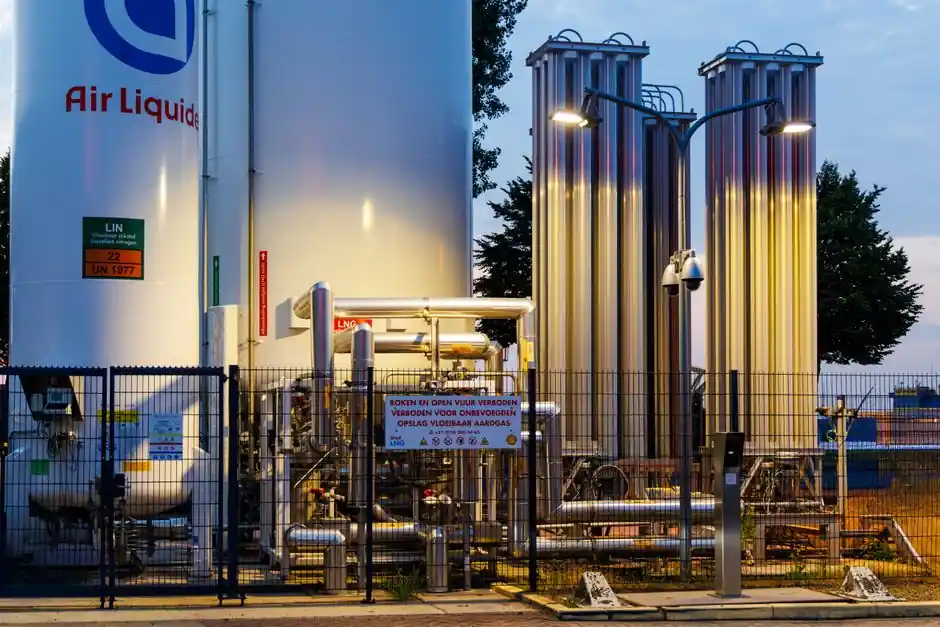
H2S and CO detectors must use target-selective sensor chemistry: an H2S cell should respond to hydrogen sulfide, while a CO cell should quantify carbon monoxide without being confused by hydrogen or other combustion gases.
The comparison below covers electrochemical cells, catalytic bead, metal oxide semiconductor, and solid-state sensing, with application, interference, response, and maintenance criteria for industrial gas-detection systems.
H2S and CO require different electrochemical reactions
Hydrogen sulfide and carbon monoxide are chemically distinct gases, so a sensor cannot be selected from its alarm label alone. The target gas, oxidizing or reducing reaction, electrolyte, electrode materials, and interference filters determine whether the cell measures the intended species or produces a misleading signal [S1][S2].
Electrochemical detection uses a chemical reaction to generate current. Carbon monoxide detectors measure how much gas is in the air by taking advantage of how CO alters the color or electrical resistance of certain materials or fosters electrochemical reactions. Electrochemical CO detectors use the fuel-cell principle, where reaction of the target gas produces an electrical current [S2].
An H2S cell is normally specified as a toxic-gas electrochemical cell rather than as a CO fuel cell. Its response depends on the H2S concentration reaching the sensing electrode, and its selectivity is defined against interference gases such as CO, SO2, NO2, and hydrocarbons. The exact cross-sensitivity limits, alarm setpoints, and certified operating range must be taken from the selected manufacturer’s datasheet and applicable certification, not inferred from the gas name.
Selection criteria: target, interference, response, and installation
A CO detector is designed to measure carbon monoxide over time and raise an alarm before hazardous exposure develops, while H2S instruments are selected for toxic hydrogen sulfide monitoring. CO alarms commonly use ppm ranges: NIST describes an alarm condition of 70 ppm sustained over several hours and dangerous concentrations above 400 ppm after only a few minutes [S1]. These exposure-time examples do not replace the alarm setpoint required by the governing alarm design.
For an H2S application, specify the measurement range against the workplace exposure limit, local alarm requirements, and the anticipated concentration range. For a CO application, specify the ppm range, alarm threshold, and time response required by the installation hazard analysis. Both require an assessment of temperature, humidity, pressure, ventilation, and the presence of interferents.
Installation affects the result. In industrial systems, sensor location must be based on the release point, airflow, buoyancy, and hazardous-zone classification rather than on convenience.
Comparison of sensor technologies
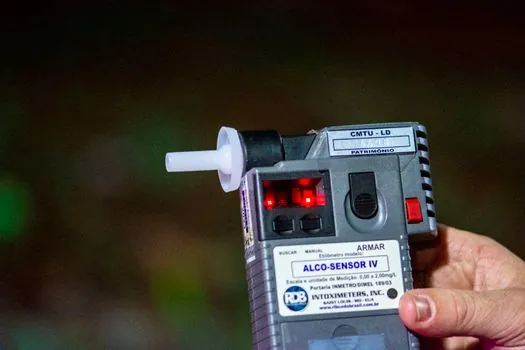
Electrochemical cells provide a target-specific electrical response and are the conventional choice for portable H2S and CO measurements. Their practical weaknesses are finite sensor life, sensitivity to humidity and temperature, poisoning by interferents, and the need for replacement after a defined service interval. Most CO detectors use a sensor with a defined, limited lifespan and will not work indefinitely.
Metal oxide semiconductor sensors measure resistance changes when CO reaches the sensing chip; the degree of resistance reduction depends on CO concentration [S1]. These sensors respond to hydrogen as well, and hydrogen from fuel-cell equipment can trigger false CO alarms [S3]. They are therefore a poor first choice where hydrogen cross-sensitivity would cause repeated shutdowns unless the manufacturer explicitly qualifies the device for that gas mixture.
Thermal conductivity detectors also respond to hydrogen in CO systems, so hydrogen can create false readings in TCD-based instruments [S3]. Catalytic bead sensors oxidize combustible gas and measure the heat generated. They are suited to flammability measurements, not selective H2S quantification, and a CO reading from a catalytic sensor cannot substitute for a toxic-gas CO alarm without manufacturer support.
Hydrogen-powered equipment introduces a gas-detection challenge because hydrogen can trigger false alarms from CO detectors. The referenced hydrogen-sensing approach also lists catalytic filters, selectively permeable membranes, and chemical absorbent filters as ways to reduce hydrogen interference before the CO sensing element [S3]. These measures address a false-alarm mechanism, not the lack of an H2S-selective element.
Which detector fits which use case?
Use an electrochemical H2S detector for refinery, gas-processing, wastewater, manure-handling, and confined-space atmospheres where hydrogen sulfide is the specified toxic contaminant. Use a CO detector for areas with incomplete combustion risk, including furnaces, boilers, heaters, engines, and generator exhaust. A combined H2S and CO instrument can be appropriate when both hazards are credible, but verify that each channel has an independent target, filter, and calibration procedure. [S1]
Do not use a CO detector as an H2S detector, or an H2S detector as a CO detector, even when both gases are present in a process. A CO detector may provide a useful combustion-gas trend, but that does not establish H2S concentration or provide an H2S alarm. Conversely, an H2S sensor cannot establish whether a combustion space has reached a CO hazard threshold.
Hydrogen-powered forklifts and refueling systems require a separate interference check. Hydrogen and CO are both small linear molecules and can affect TCD and metal oxide sensors used in CO detection [S3]. For a multi-gas monitor, compare sensor technology, target-specific alarms, cross-sensitivity tables, and available compensation features in Fixed Gas Detectors: MOS vs Electrochemical Sensors.
Limits, failure modes, and standards checks

Hydrogen sulfide is highly toxic and also has a flammable hazard range, with the cited hydrogen explosive range stated as 4% to 75.6% in air [S3]. That range applies to hydrogen, not H2S. H2S alarm design must use H2S-specific toxic exposure limits and, where applicable, flammability data for the installed equipment.
For hydrogen detection, the referenced regulatory framework identifies IEC 62282-4-101 for fuel-cell safety systems, UL 2267 for hydrogen-powered industrial trucks, NFPA 505 for fire safety protocols, and NFPA 72 and NFPA 720 for fire and CO detection systems [S3]. Apply these references only within their stated scopes. Confirm jurisdictional requirements, certification listings, alarm thresholds, and commissioning criteria with the authority having jurisdiction and the equipment manufacturer.
The main failure modes are cross-sensitivity, sensor poisoning, electrolyte drying, condensation, aging, blocked diffusion barriers, and calibration drift. A test button on a CO alarm commonly checks the battery, electronics, and buzzer, not the sensor’s ability to detect gas [S2]. Functional gas testing with certified test gas is therefore the meaningful commissioning check.
Procurement specification and replacement control
Specify each gas channel by target gas, sensor technology, measurement range, alarm setpoints, response time, operating temperature, humidity limits, interference data, output type, hazardous-location approval, and documented service life. For CO alarms, UL 2034 covers single-station CO alarms with a sound device, while UL 2075 covers passive indicators and system devices described as detectors [S2]. Confirm the exact product classification before applying either designation.
For replacement planning, treat the sensor as a consumable with a finite service interval. The cited CO alarm data specify two to five years for the gas sensor, distinct from the battery service life [S2]. A detector that has reached its documented replacement date, failed a gas-response test, or exhibited physical damage should not be returned to service merely because its battery test passes.
For the final purchase, obtain the manufacturer’s target-gas datasheet, cross-sensitivity table, calibration-gas certificate, temperature and humidity limits, and replacement interval. Flag any CO installation near hydrogen equipment for an interference test, and verify each H2S and CO alarm separately with the specified gas and concentration.