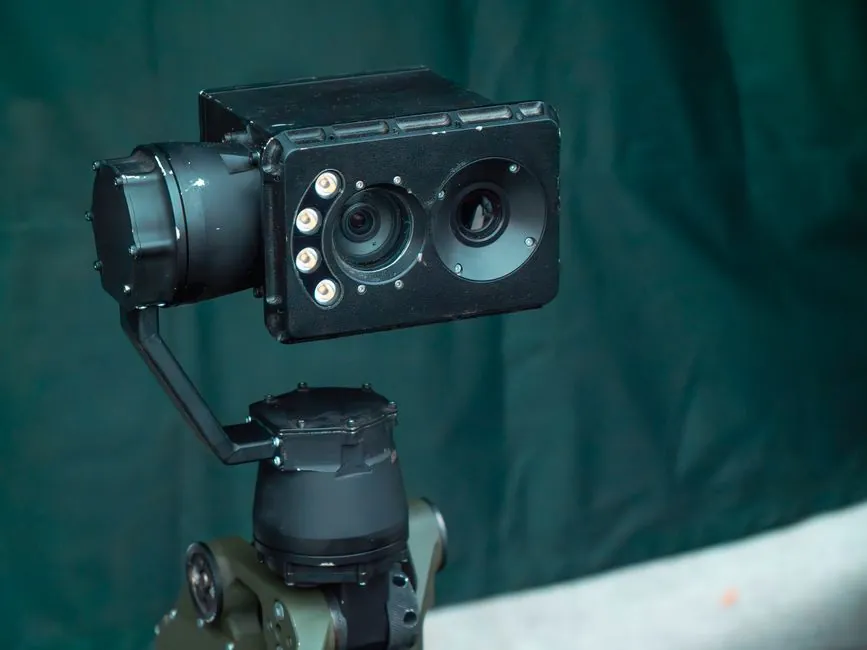
A four-gas monitor combines combustible-gas, oxygen, carbon-monoxide, and hydrogen-sulfide channels [S5], with documented ranges varying by model: S6 specifies 0–999 ppm CO, while S8 specifies 0–2,000 ppm CO and 0–200 ppm H2S.
The configuration is used for confined-space entry, process-area work, and field response where one instrument must display four hazards without separate handheld devices [S3][S4].
Four Channels, Four Different Engineering Questions
The four channels answer different questions: %LEL indicates combustible-gas concentration relative to the lower explosive limit, %VOL O2 indicates oxygen deficiency or enrichment, ppm CO tracks carbon-monoxide concentration, and ppm H2S tracks hydrogen-sulfide concentration [S5].
A reading of 10% LEL means one tenth of the reference gas's LEL, not 10% gas by volume [S5]. The same unit discipline applies to toxic gases: 10,000 ppm equals 1% by volume, so a toxic release can occur without producing a meaningful change in the oxygen percentage [S5].
Set the Measurement Ranges Before Setting Alarms
Available channels and resolutions vary by model. One listed forensic four-gas monitor specifies 0–100% LEL with 1% LEL resolution, 0–30% O2 with 0.1% resolution, and 0–999 ppm CO with 1 ppm resolution [S6]. By contrast, a fixed four-gas product is listed with 0–2,000 ppm CO, 0–200 ppm H2S, 0–30% VOL O2, and 0–100% LEL, also covering 0–100% VOL for the combustible channel [S8].
Choose the Sampling Method for the Work Area
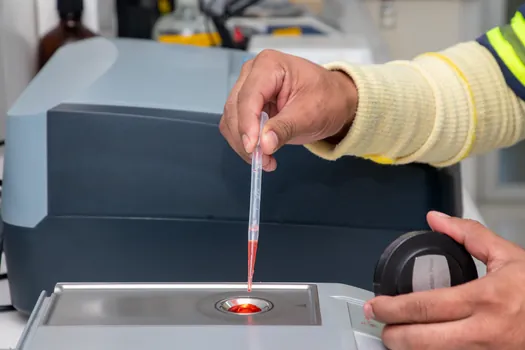
Diffusion sampling suits monitoring near the breathing zone without a pump, while a pumped configuration extends the instrument into confined spaces or remote sample lines [S3][S5]. The GX-3R supports diffusion sampling and optional RK-3R or RP-3R pumps [S3].
The GX-3R is listed at 2.2 inches wide, 2.55 inches high, 1.02 inches deep, and 3.52 ounces [S3].
Response speed and deployment distance must be matched to the task. A handheld carried into a space is not equivalent to a fixed detector located at a process point, and a diffusion monitor does not evaluate gas behind an obstruction unless its sampling arrangement draws the sample to the sensor [S5][S8].
Check Battery, Alarms, and Environmental Limits
Do not treat the display range as proof of adequate alarm performance. Toxic-gas channels may require instantaneous, STEL, and TWA alarms, and available averaging functions depend on the instrument [S5].
Account for Sensor Life, Poisoning, and Calibration
The lead-free O2 electrochemical sensor in the GX-3R has a stated service life of 3–5 years, while its LEL sensor uses two active filaments so one can take over if the other is poisoned [S3]. The combined CO and H2S sensor allows the instrument to measure four gases with three physical sensors [S3].
Combustible-gas readings depend on the calibration reference. A methane-calibrated sensor may respond differently to another fuel, so the correction factor must match both the sensor and target gas [S5]. Catalytic sensors also require sufficient oxygen and can lose sensitivity after exposure to poisons [S5].
Selection should therefore include the target fuel, calibration gas, calibration interval, bump-test process, and replacement strategy. A more detailed comparison of portable instrument verification methods is available in Bump Test vs Full Calibration on Portable Gas Detectors.
Match Portable and Fixed Architecture to the Hazard
A portable four-gas monitor is appropriate for workers who need to move between locations, identify changing conditions, and verify a space before entry [S2][S3][S4]. A fixed four-gas detector is appropriate where continuous coverage at a defined process location matters more than mobility [S8].
For fixed installations, the wider example ranges of 0–2,000 ppm CO and 0–200 ppm H2S are relevant when the hazard profile exceeds a portable instrument's stated span [S8]. Any fixed architecture also requires a deliberate link between detection, indication, and notification, which is covered in the gas alarm controller reference.
Verify Every Channel Before Field Use
A four-gas configuration is incomplete if CO, H2S, O2, and LEL are treated as interchangeable readings. Verify the displayed unit for each channel, confirm the measurement span and resolution, and select alarm points appropriate to the workplace and exposure scenario [S1][S5][S6].
Confirm the calibration target for the LEL channel, verify both oxygen-deficiency and oxygen-enrichment alarms, and establish STEL and TWA behavior where the instrument supports those functions [S5]. For personal models, check battery duration, ingress rating, operating temperature, pump compatibility, sensor interchangeability, and the service history for each electrochemical cell [S3].
The first trackable procurement record is the approved channel matrix: gas, unit, range, resolution, alarm type, sensor type, calibration gas, and service interval. The second is the deployment record: diffusion or pumped sampling, work zone, worker location, fixed-point position, and the intended alarm notification path [S3][S5][S8].
