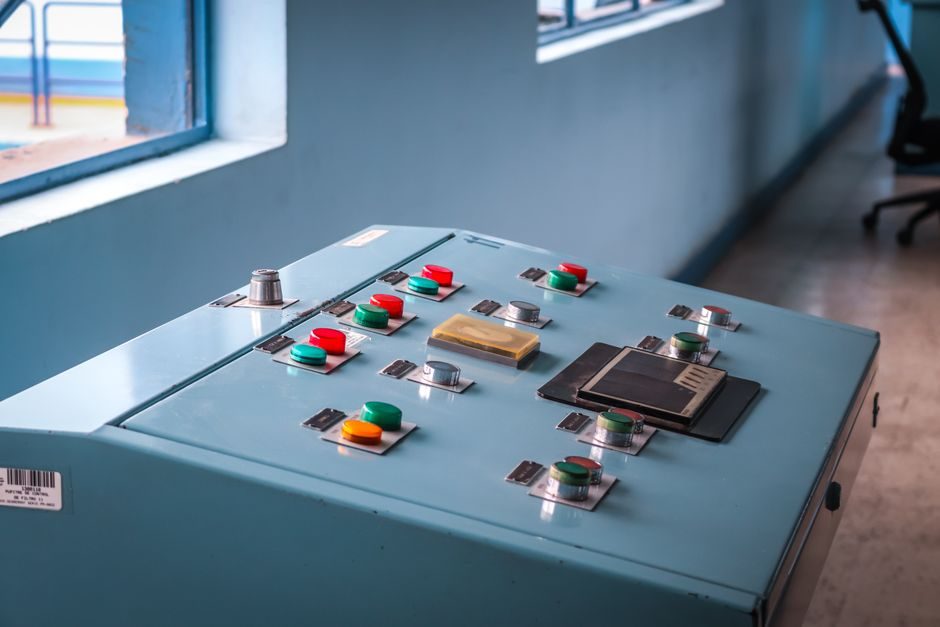
Hot box core shooting is a heat-cured sand-core process where resin-coated sand is blown into a heated core box, cured at 200-260 °C, and ejected for downstream iron pouring — the hot box core machine class covers both single-station and duplex shooter layouts. Selection in 2026 is driven by three engineering gates: maximum single-shot sand weight, parting-plane orientation relative to the core print, and the cure-window budget that the resin system actually delivers on the shop floor.
Buyers typically arrive at the spec sheet with a part drawing, a tonnage target, and a cycle-time number from the foundry's simulation team. From there the comparison is between a horizontal-parting hot box shooter and a vertical-parting shooter, with shell core machine and cold box core machine lines evaluated as the two main alternatives when the resin chemistry or cure window is wrong for hot box.
Shot-Weight Class and Matched Platen Size
Single-shot sand weight is the first hard gate on any hot box core shooter quote, and 2026 catalog data from Chinese OEM lines segments the class into three practical bands: small (≤10 kg per shot, platen 500×400 mm class), mid (10-50 kg per shot, platen 700×600 to 900×800 mm) and large (above 50 kg per shot, platen 1000×1000 mm and up) [S3]. Wuxi Langshitai's HBH-series horizontal-parting hot core box shooter publishes a removable lower-mold option that lets the operator pull the cured core out of the machine rather than from inside the tool, which matters for cores above roughly 15 kg where in-machine ejection stresses the heater platen [S3].
A 10-50 kg shot typically pairs with a 200-260 °C platen heater, a sand-blow tank sized to deliver the full shot in one stroke, and a curing dwell of 20-60 s depending on wall thickness. Above 50 kg, the box geometry forces a vertical parting plane, larger sand reservoir, and a longer cure window — Quanzhou Sanjia Machinery, listed on Made-in-China as a gravity casting, hot-box core shooter and double-head shooting supplier, ships both single-head and twin-head configurations for these larger cores [S6].
Horizontal vs Vertical Parting: The Layout Decision
Horizontal-parting hot box shooters run the parting line along the floor plane of the core box, which gives a flat lower half for chilling blocks and a top half that lifts for ejection — this is the layout that lines up with manipulator take-out and is the dominant configuration in mid-volume iron foundries [S3]. The chilling block is normally mounted on the rear side of the machine, so the local heat-extraction rate can be tuned against the resin cure profile; without that block, thick-section cores (above ~30 mm wall) tend to under-cure at the center and crack on ejection.
Vertical-parting shooters split the core box along a vertical plane, which is the right choice for deep-draw or wrap-around cores that cannot be released from a flat horizontal die — typical examples include water-jacket cores and certain cylinder-head cores. For those geometries, the shell core shooter process is the closer alternative and uses a similar heated-box cure concept but with a finer sand grain and a thinner cured shell, which trades mechanical strength for surface finish.
Cure Window, Resin System and Cycle Time

Hot box cores cure by thermoset reaction of a furfuryl alcohol / phenolic resin system catalysed by an acid hardener; the box surface must be held at 200-260 °C throughout the blow-and-dwell cycle, and the cure window is the band of time during which the core is rigid enough to eject but not so over-cured that the resin has burnt through. Practical shop-floor dwell times run 20-40 s for thin-wall cores below 15 mm and 60-120 s for thick sections above 40 mm [S3].
If the part's minimum wall drives the cure time above the line's takt time, the foundry is forced to add a second station, and at that point the comparison shifts to a cold box core shooter on a phenolic-urethane binder cured with amine gas — cold box cure is essentially isothermal and binder-driven rather than heat-driven, so cycle time is decoupled from wall thickness. A simple rule of thumb the spec teams apply: hot box is preferred when the part wall is uniformly under 30 mm and the core weight is under 50 kg, cold box takes over for thicker sections or heavier shots where the cure-window penalty on hot box exceeds the binder cost penalty on cold box.
Sand Handling, Tool Heating and Ejection
Sand-resin mixing quality controls the surface finish and the tensile strength of the cured core, and modern hot box lines integrate a sand heater, a resin-coating mixer, and a sand-storage hopper above the shooter — the shooter itself is essentially the dosing and curing station. Ejection is a separate mechanical decision: a stripper plate, a robot gripper, or a "core-in-machine" takeoff where the lower half is removed with the core and stripped on a separate station. [S1]
Langshitai's HBH horizontal machine publishes the three ejection options directly: lower mold stays in the machine for manual or manipulator take; lower mold is removed and stripped offline; or chilling block is mounted on the rear side for through-cure of thick sections [S3]. Each option changes the upstream platen-heater power draw and the downstream buffer requirement — a process engineer sizing a 2026 line should spec the ejection mode first, then size the cure time and platen wattage to match, instead of the reverse.
Process Comparison: Hot Box vs Shell vs Cold Box
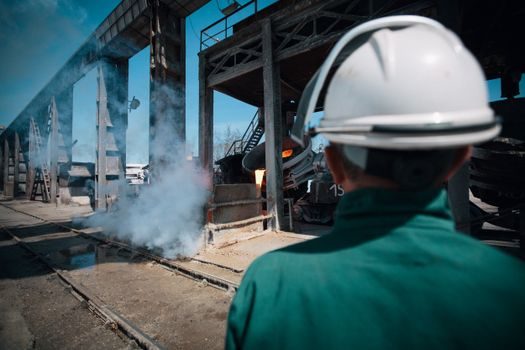
Hot box, shell, and cold box each solve a different slice of the same sand-core problem, and the decision is driven by three criteria: cure temperature, core weight, and surface finish. [S2]
Hot box (200-260 °C platen, furfuryl resin) covers mid-weight cores 0.5-50 kg, with a good surface finish and cycle times in the 30-90 s band [S3]. Shell core machine processes (250-300 °C, phenolic resin, fine silica sand) handle thin-wall, high-finish cores below ~10 kg, with cycle times of 20-40 s but a higher scrap rate on thick sections. Cold box core machine lines (ambient cure, phenolic-urethane + amine gas) carry the heavy / thick-wall / large-format cores above 50 kg, with cycle times of 15-30 s but a binder-cost premium and a gas-handling compliance burden. The selection cut is rarely about any single number — it is the combination of core weight, wall thickness and takt time that forces the line type, and a quote should be built around the dominant constraint.
Common Selection Mistakes and Compliance Notes
Three failure modes repeat across 2025-2026 hot box line builds: undersizing the platen heater (the box loses 200 °C between shots, the resin under-cures, and the core cracks on ejection), ignoring the chilling block requirement on thick sections, and specifying a horizontal-parting machine for a deep-draw core that physically cannot be released from a flat die. None of these show up on the OEM spec sheet — they only show up after the tool is cut. [S3]
For buyers comparing OEM quotes in 2026, the practical sourcing move is to request a sample core run on the candidate machine at the exact shot weight and wall thickness of the production part, and to verify that the hot box core machine supplier publishes a platen-temperature vs. dwell-time chart, not just a maximum-shot-weight figure. The Chinese OEM segment — including Wuxi Langshitai and Quanzhou Sanjia — ships the bulk of the global hot box core shooter capacity, so most 2026 buyers are working from one of those catalogues [S3][S6].
The secondary signal is the cold box binder-cost trend, which gates how aggressively foundries will substitute cold box cores into the 30-50 kg mid-band currently held by hot box.
For related coverage, see Gas Alarm Controller 2026 Buying Guide: Channels, Outputs and Cert Gates.