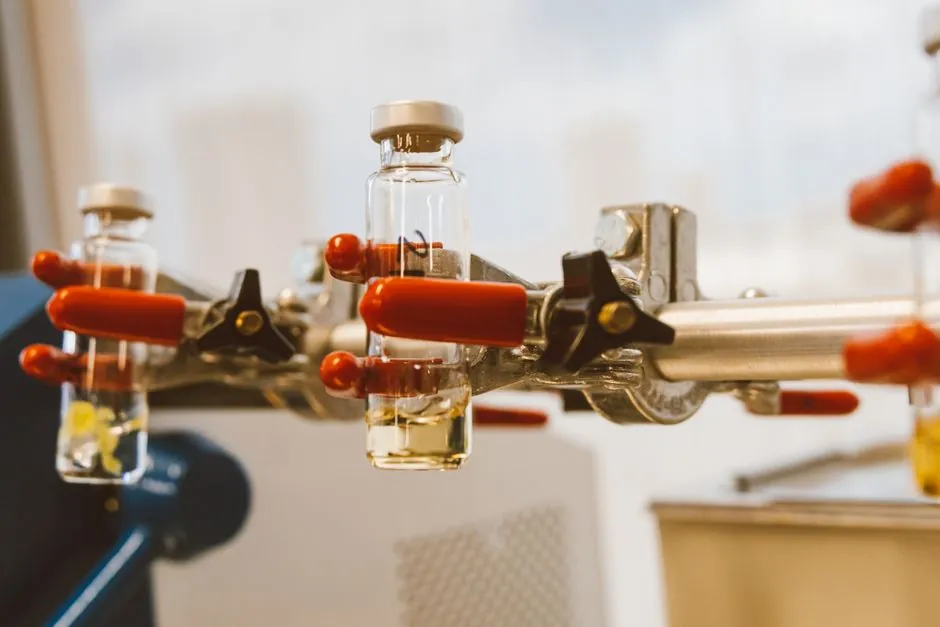
Chemical pump selection starts with five process inputs: flow rate, pressure, viscosity, temperature, and chemical compatibility; centrifugal, positive-displacement, and diaphragm pumps each fit a different duty [S4][S5].
For batch and continuous chemical service, material construction, seal architecture, shaft design, and lifecycle energy determine suitability more reliably than pump category alone [S2][S4][S5].
Define the duty before choosing a pump family
Pump selection must account for the fluid's viscosity, abrasiveness, flow, and other process conditions, because thick or abrasive chemicals require specific pumps and configurations.
Diaphragm pumps are appropriate when containment of volatile or toxic chemicals outweighs the benefits of conventional rotary pumping [S4][S6]. Twin-screw positive-displacement pumps provide performance solutions for many chemical batch-processing applications.
Also record minimum and maximum flow, suction pressure, vapor pressure at pump temperature, duty cycle, and whether the fluid contains entrained gas, crystallizing solids, fibres, or polymers. Chemical identity, concentration, pH, reactivity, and toxicity determine compatibility requirements [S4][S5].
Compare the main pump options against four criteria
Do not select a mainstream centrifugal pump merely because chemical service is usually continuous. Further guidance on duty-based diaphragm selection appears in Select Chemical-Process Diaphragm Pumps by Duty.
Match every wetted material to the complete chemical inventory
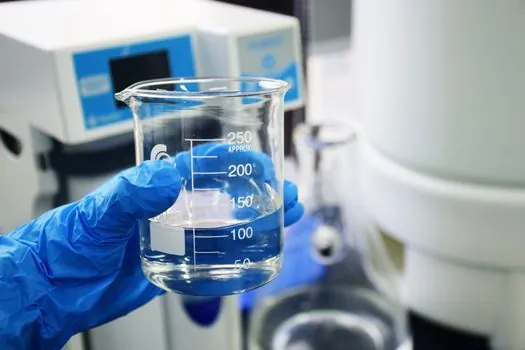
Many chemicals are corrosive and can degrade the pump's materials over time, potentially causing leaks, mechanical failure, and hazardous situations.
Compatibility must be checked against every wetted part, not only the casing: impeller, shaft, fasteners, seal faces, springs, gaskets, baseplate coating, and any connector exposed to leakage or vapor. Pump materials must be matched to the complete chemical inventory and operating conditions to limit corrosion.
Material selection should also account for temperature, abrasion, contamination, and electrical or electrostatic requirements. The viscosity, corrosiveness, and temperature of the chemical directly determine the pump type and materials [S4]. A useful procurement datasheet should distinguish the selected material grade for each wetted component and identify compatibility substantiation available for the specified concentration and temperature.
Design the seal system around the consequence of leakage
A mechanical seal is not a generic accessory: seal-face materials, secondary seals, spring exposure, buffer-fluid compatibility, and vapor-pressure margin all affect leakage risk.
For a volatile or toxic medium, define the required containment level before selecting the pump arrangement.
Failure modes include seal-face wear, chemical attack, loss of barrier fluid, dry running, and pressure excursions that increase leakage.
Account for suction conditions, batch control, and system behavior
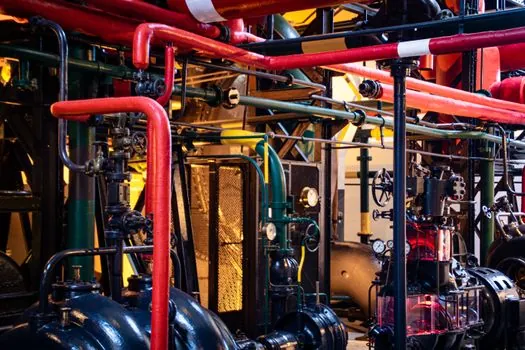
High-viscosity service requires adequate suction capability, while low suction pressure, high vapor pressure, or temperature-driven cavitation can prevent a centrifugal pump from developing its rated flow [S4][S5]. A pump selected only from nominal flow and discharge pressure may operate outside its usable envelope once the system curve, tank level, line resistance, and fluid temperature are applied.
Batch duty adds another constraint. Twin-screw PD pumps can support chemical batch processing because their flow is controlled through displacement and speed, but fill, transfer, recirculation, and dosing may require different capacities and control responses [S3]. Diaphragm pumps suit metered or contained transfer duties, yet their usable flow depends on pump size, stroke rate, chamber arrangement, and pressure conditions.
For control-system integration, specify the required speed range, starts per hour, reversing capability, turndown, pressure limit, and acceptable flow variation. If a hydraulic pump is being considered for a chemical skid, distinguish it from the process pump: hydraulic-oil service demands compatibility with hydraulic-fluid chemistry, while the process fluid passes through the driven device and may have entirely different chemical requirements.
Compare lifecycle cost using energy, maintenance, and containment
Purchase price alone is an unreliable selection metric because hydraulic efficiency, chemical-compatible sealing, maintenance access, and failure consequences dominate lifecycle cost [S5]. A lower-cost centrifugal pump can be the better choice for a clean, dilute, continuous service, while a higher-cost lined or metal-diaphragm system can be justified when leakage causes shutdown, exposure, or environmental loss.
Compare at least four cost categories: purchased equipment, energy over defined operating hours, seals and routine maintenance, and expected loss from leakage or outage. Obtain pump efficiency or power data at the required operating point rather than relying on a catalog maximum. Also compare the seal plan, wetted-material schedule, shaft design, available maintenance access, and documented service limits [S5].
A common error is to specify high-efficiency hydraulics without checking the process demand. An oversized pump throttled or cycled far from its design point can consume unnecessary energy and experience unstable operation. The correct comparison is lifecycle performance at the specified flow, differential pressure, viscosity, temperature, and duty cycle, not the best headline efficiency value.
Issue a procurement specification with acceptance criteria

A chemical process-pump datasheet should state fluid name, composition, concentration, pH, viscosity, temperature, pressure, flow range, solids content, and duty cycle before material or seal options are evaluated [S4][S5]. For batch service, specify batch volume, transfer time, permitted shear, and the required turndown; for continuous service, specify normal, minimum, and maximum flows and the available suction pressure [S3].
Require the manufacturer to identify the pump category, model or drawing number, wetted-material grades, seal arrangement, shaft arrangement, rated pressure, rated temperature, allowable viscosity, solids limit, and test or inspection requirements. Confirm whether the quoted unit is API 610-compliant, because API 610 addresses centrifugal pumps for petroleum, petrochemical, and natural gas industries but does not make every chemical-duty configuration acceptable [S5].
Shortlist by chemistry, flow regime, and leakage exposure
Select a centrifugal chemical pump when the process is continuous, the fluid is low-viscosity and relatively clean, and efficient bulk transfer dominates the evaluation [S4]. Select a positive-displacement pump when viscosity, abrasiveness, shear sensitivity, or controlled delivery makes metering behavior decisive [S3][S4].
Close the selection only after checking three documents: the completed process datasheet, the vendor’s wetted-material and seal schedule, and the operating envelope at minimum, normal, and maximum duty. The best candidate is the one whose documented limits cover the complete chemical inventory without unexplained exclusions. If the available data cannot establish compatibility at the specified temperature and concentration, keep the pump on hold until a compatibility review or test is completed.