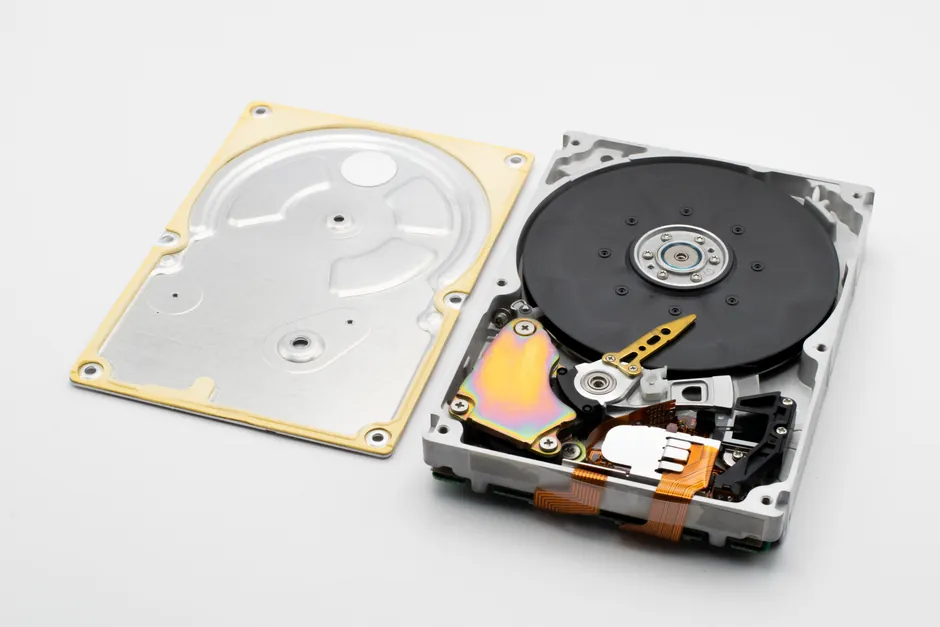
Conformal coating selection is governed by four binding constraints: operating environment (humidity, salt, chemical vapour), thermal range, electrical insulation requirement, and rework strategy; film thickness typically lands between 25 and 75 micrometres [S1][S5].
Across consumer, automotive, industrial, and medical electronics, five coating chemistries dominate procurement specifications: acrylic (AR), epoxy (ER), polyurethane (UR), silicone (SR), and urethane, with Parylene and nano coatings reserved for specialised applications [S4][S5].
Acrylic (AR): Low-Cost, High-Rework Baseline
Acrylic coatings cure quickly, are the most reworkable of the five mainstream chemistries (removable with common solvents), and offer good moisture resistance for general electronics [S1][S4].
The trade-off is moderate chemical resistance and limited high-temperature performance; acrylic is commonly specified for consumer electronics, household appliances, control boards, and indoor industrial assemblies where field repairs are expected [S1][S4][S5]. Operating temperature is typically capped near 125°C, and abrasion resistance is lower than polyurethane or Parylene [S3][S4].
Epoxy (ER) and Polyurethane (UR): Chemical-Resistant Workhorses
Epoxy coatings deliver high mechanical strength, excellent chemical and moisture resistance, and strong dielectric performance, making them the standard choice for power modules, relay boards, and motor controllers [S4][S5].
The constraint is rework: cured epoxy is very difficult to remove and can impose shrinkage stress on fine-pitch components, so design-for-repair must be locked in early [S1][S5]. Polyurethane (UR) splits the difference, offering a tough, slightly flexible film with strong resistance to moisture and chemical vapour, and is widely specified for telecommunications, military electronics, and industrial boards with long service-life targets [S5]. Removal of UR requires aggressive strippers, so reworking planning is non-negotiable [S5].
Silicone (SR): Wide-Temperature and Automotive Default
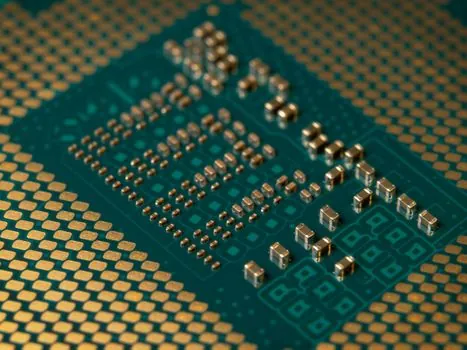
Silicone coatings operate across a temperature window commonly cited at -60°C up to and beyond 150°C, resist mould, fungi, and thermal shock, and remain flexible across that range, which is why automotive engine bay PCBs, aerospace electronics, and outdoor energy equipment default to SR [S3][S4][S5].
Cost is higher than acrylic, and soft modulus formulations can attract dust; nonetheless, SR is the go-to for any application exposed to engine heat, road salt, or repeated thermal cycling [S3][S5]. The same flexibility rationale applies to wearable and flexible PCBs, where SR bends without cracking [S2].
Application Method Drives Process Cost
Brushing suits prototypes and touch-up; dipping is fast for uniform boards but difficult to mask on connectors [S1][S5]. For production volumes, automated spraying dominates, and selective coating, which uses a valve plus vision system to coat only defined areas, is essentially mandatory on high-density boards with BGA packages and fine-pitch components [S1][S5]. Curing is then driven by heat, UV, or moisture depending on chemistry.
This is also where process control links to broader industrial coating practice: masking discipline, film-thickness verification (often with a coating thickness gauge), and rework yield all sit on the same quality loop as the polymer selection itself.
Standards, Environment, and Compliance Anchors
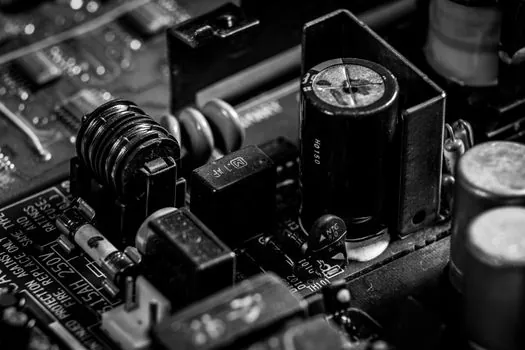
Regulatory fit is a hard gate: EU-bound products must satisfy RoHS substance restrictions, automotive PCBs typically reference ISO 16750 for temperature, vibration, and chemical resistance, and medical devices require biocompatible coatings that survive repeated sterilisation [S2][S5].
Specifying the right chemistry also implies a waterproof coating posture for any assembly exposed to rain, condensation, or wash-down, since the 25-75 micrometre film is the primary moisture and ion barrier between the copper trace and the field environment [S1][S5]. The 2026 reference path is straightforward: match environment first, thermal range second, rework strategy third, and process method last.
Two trackable signals to watch: tighter automotive under-hood thermal envelopes pushing SR adoption above 150°C service, and selective-coating throughput improvements reducing per-board coating cost on BGA-dense assemblies. Buyers comparing cable and harnessing decisions alongside PCB protection can cross-reference the shielded cable selection spec map for the upstream interconnect side of the same reliability argument.