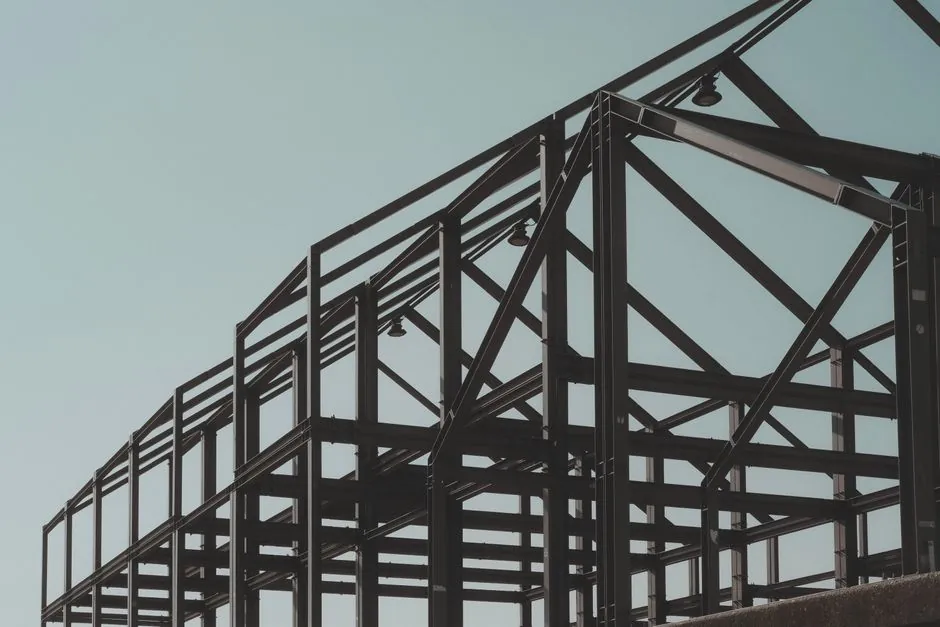
Industrial coating selection for construction is a fabrication-stage specification decision: coating system, surface prep, and film thickness are locked in at the shop, not after erection, and that decision sets corrosion-intervention intervals for the next 30-50 years [S1][S4].
Three coating families dominate 2026 construction specifications for structural steel and exposed architectural metal: hot-dip galvanizing (HDG) per ASTM A123/A123M practice, multi-coat liquid systems built on zinc-rich epoxy primers with polyurethane topcoats, and shop-applied coil/extrusion coatings qualified to AAMA 2603, 2604, or 2605 [S1][S4]. The wrong choice shows up as coating breakdown 10-15 years into service; the right choice is invisible because nothing fails.
Service Environment Drives the System, Not the Other Way Around
The first technical gate in any industrial coating selection is the service environment classification, not the resin chemistry: exterior atmospheric, immersion, buried, chemical splash, or high-heat, because each class has a different generic system with a documented track record [S2].
Potash dust, fertilizer runoff, and buried-steel conditions on Prairie mining and agricultural sites push selection toward HDG or a zinc-rich primer + epoxy + polyurethane (ZEP) system, while interior architectural aluminum typically routes to AAMA 2603/2604-qualified coil coatings [S1][S4]. SSPC/NACE surface preparation grades (SSPC-SP6 commercial blast, SSPC-SP10 near-white metal) are paired to those systems, with dry film thickness (DFT) targets commonly 75-125 µm per coat for the ZEP stack, verified with a calibrated coating thickness gauge before topcoat application [S1].
HDG vs. Liquid ZEP vs. AAMA-Qualified Coil: Decision Criteria Compared
HDG delivers dual protection (barrier plus cathodic/sacrificial zinc), tolerates field nicks without spot failure, and is the default for buried, embedded, or constantly wet steel, but it has thickness variability on complex fabrications and is unsuitable for service temperatures above roughly 200°C without special handling [S1].
Liquid ZEP systems (inorganic zinc-rich primer for new steel shop application, epoxy midcoat, aliphatic polyurethane topcoat) are the proven generic system for new steel bridges, process structures, and architectural steel, with each layer contributing barrier thickness, chemical resistance, and UV/gloss retention respectively [S2]. AAMA 2603, 2604, and 2605 coil coatings are factory-applied to HDG or zinc-aluminum coated steel and aluminum substrates; the 2603/2604/2605 tier indicates progressively higher Florida-exposure weathering performance, with 2605 used where color and gloss retention beyond 10 years is specified [S4]. For procurement, the comparison typically runs: HDG lowest unit cost on simple shapes, ZEP highest flexibility for field touch-up, AAMA coil lowest lifecycle repaint cost on architectural metal roofing and wall panels.
Specification Format: CSI 3-Part and the "Or Equal" Problem
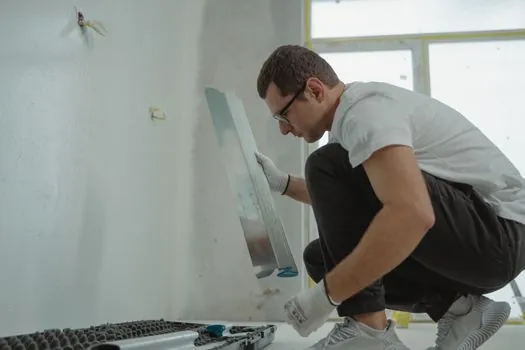
Coating specifications in North American construction follow the Construction Specifications Institute (CSI) 3-Part format (General, Products, Execution) under MasterFormat 2016, with shop-applied metal coatings typically written in Section 05 05 13 [S4].
The Products section either names a trade-name system or specifies a generic resin system, and the common "trade name, or equal" clause is technically loaded: substituting one polyurethane topcoat for another because both share the same generic resin does not establish equality, because raw materials at less than 1% concentration are not disclosed on the Safety Data Sheet (SDS) yet can determine chalking, gloss retention, and film integrity [S2]. Specifiers are advised to request the manufacturer's Product Data Sheet (PDS) and SDS together, then verify volume solids, weight per gallon, and any independent test data before accepting a substitution, and to weight track record in the same service environment over raw unit price [S2].
Manufacturer Collaboration and Custom Specifications
Major coating manufacturers including Sherwin-Williams employ specification advisers who supply custom CSI-format specifications, construction-document review, submittal cross-over, and VOC-regulatory checks against the project's jurisdiction [S3].
For projects with regional VOC caps or green-building rating requirements, that manufacturer-side support is often the only practical path to a compliant submittal, because ASTM consensus test methods (hide, washability, durability) rate individual performance attributes but do not produce a single pass/fail "fitness" number for a specific service environment [S3]. The decision rule for the specifier: use the manufacturer's PDS/SDS as a screening filter, then require a documented project history in the same ISO 12944 corrosivity category before accepting an "or equal" substitution [S2][S3].
When Field Application Forces a Different Choice
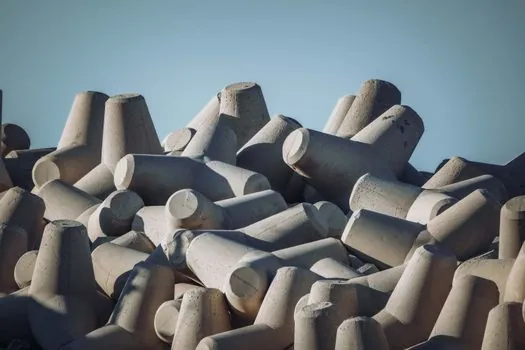
Field-applied coating quality is consistently lower than shop-applied because ambient temperature swings, wind-blown dust, and humidity all push outside the coating manufacturer's published application window, so the default spec rule is to push coating work back to the fabrication shop [S1].
When field touch-up is unavoidable (welds, field cuts, erection damage), specify an organic zinc-rich primer rather than inorganic, because organic primers tolerate a wider range of field surface-prep conditions and ambient cure windows [S2]. A related signal: on climbing formwork and re-shoring components that cycle between yards and site, the practical default has shifted to HDG-dipped assemblies because touch-up paint rarely survives more than two handling cycles, a pattern visible across 2025-2026 infrastructure bids.
Limitations, Failure Modes, and What the Research Does Not Cover
Chalking, gloss reduction, color shift, erosion, and substrate corrosion from loss of film integrity are the documented failure modes for improperly substituted topcoats, and delamination typically traces back to inadequate surface preparation or incompatible generic systems stacked in the wrong order [S2].
What this body of sources does not pin down with numbers: a defensible installed-base share for HDG vs. ZEP vs. AAMA coil on 2026 North American construction, a single governing standard revision dated within the past six months, or a quantified maintenance-repaint cost comparison across the three systems. Selection remains a service-environment-and-substrate match problem, supported by PDS/SDS review and manufacturer track record, not a price-shopping exercise, and the same waterproof coating decision logic (substrate prep, DFT verification, environmental window) carries over to adjacent envelope and roofing scopes.
Trackable next signals: any 2026 update to AAMA 2603/2604/2605 weathering test hours, any SSPC/NACE surface-prep guide revision, and any new VOC caps from OTC or CARB that would force a reformulation of the standard polyurethane topcoat stack used on architectural steel.