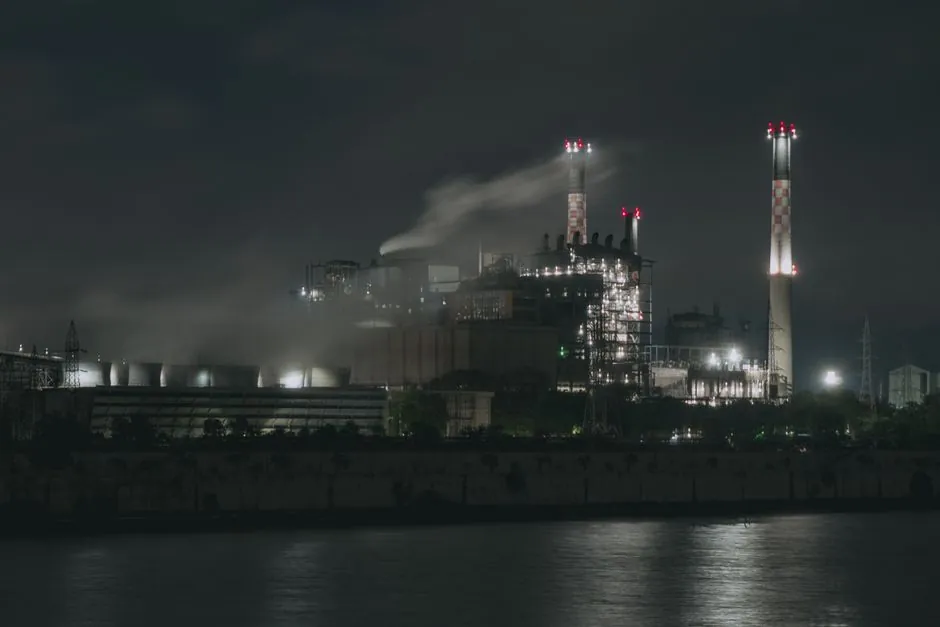
Industrial coatings, in functional terms, are formulated films (thermoset powder, thermoplastic powder, liquid, polymer specialty) engineered to bond to a substrate and deliver a defined property set: corrosion resistance, UV stability, abrasion resistance, flame retardance, or conductivity [S3]. The upstream delivers the chemistry (acrylic, polyester, epoxy, urethane resin families plus pigments, hardeners, and additives), while the downstream applies that chemistry at scale to steel, metal, wood, glass, and flexible substrates [S3].
Vertically integrated converters like Worthen Industries operate across the full span, combining custom adhesives and coatings with coated flexible substrates and thermoplastic extrusion under one quality system certified to ISO 9001:2015 and ISO 14001:2015 [S2]. At the applicator tier, the Protech Group runs five core product lines, thermoset powder, thermoplastic/PVC powder, industrial liquid, specialty polymer materials, and architectural paints, a split that mirrors how downstream demand is segmented by cure mechanism and end-use environment [S3].
Upstream Layer: Resin, Pigment, and Additive Feedstock
The upstream chemistry that feeds an industrial coatings line is organized around four resin backbones: acrylic, polyester, epoxy, and urethane, with each backbone mapped to a property envelope that the downstream then exploits [S3]. Epoxy and polyurethane backbones dominate heavy-duty corrosion and chemical-resistance applications, while polyester and acrylic backbones dominate UV-stable architectural and vehicle finishes [S3].
Beyond resin, the upstream layer carries functional additives that drive specific properties: anti-gassing, antimicrobial, anti-slip, flame retardance, heat resistance, and radiation protection, and these additives are typically tailored per substrate rather than per chemistry alone [S3]. For flexible-substrate converters the upstream also includes co-polyester and other extrudable thermoplastics, since the same line can run hot-melt adhesive coatings, extrusion, and web coating back to back [S2].
A 150-plus-year-old converter such as Worthen, dating its operations to 1866, is a useful reference point for how vertically integrated the upstream-to-web-coating span has become: capabilities listed span custom adhesives and coatings, film extrusion, web coating, converting, and toll manufacturing, all running off shared QC and EHS systems [S2].
Midstream Conversion: Five Core Product Lines
The midstream conversion step turns formulated chemistry into a sellable coating, and the Protech taxonomy breaks that step into five lines: thermoset powder coatings, thermoplastic and PVC powders, industrial liquid coatings, specialty polymer materials, and architectural paints [S3]. Thermoset powders are specified where chemical, abrasion, and impact resistance dominate, with metal-surface finishing as the canonical end use [S3].
Thermoplastic and PVC powders are differentiated by remelt behaviour: they can be reheated and reshaped, which makes them a fit for applications expecting frequent maintenance or field repair rather than a single permanent cure [S3]. Industrial liquid coatings remain the default where film thickness, substrate geometry, or cure-at-ambient conditions exclude powder, and they are typically the line that carries the corrosion-resistance and UV-stability customization [S3].
Specialty polymer materials, the fourth line, exist precisely because standard powder or liquid platforms cannot meet a unique combination of conductivity, insulation, anti-pollution, flame retardance, or radiation-protection targets [S3]. Architectural paints (traded under the MF Paints line since Canadian manufacture began in 1967) close out the taxonomy with aesthetic and weatherability targets rather than purely functional ones [S3].
Downstream Demand Pools: Six Application Tracks

Downstream demand for industrial coatings sorts into six tracks at the Protech taxonomy level: architectural and construction, vehicle and transportation, commercial and retail, functional (insulation, conductivity, anti-pollution, heat and flame resistance, radiation protection), consumer goods, and protective/industrial [S3]. Protective and industrial is the volume anchor, carrying corrosion, chemical-exposure, and physical-impact resistance duties across plant and process equipment [S3].
Vehicle and transportation drives demand for chip-resistant, weatherable, and UV-stable finishes, a profile that has historically been led by industrial adhesive-backed multi-layer systems on metal substrates. Functional coatings are the highest-margin pool because each job is a custom formulation problem rather than a catalog sale, and the chemistry stack here overlaps heavily with the resin backbones listed in the upstream [S3].
Architectural and commercial-retail demand typically routes through the architectural paints line and through weatherable liquid systems, where colour retention and cleanability outweigh heavy-duty chemical resistance [S3]. For a converter, the industrial ceramic market and the industrial-coatings market share an overlapping customer base in process plants, since both protect substrates against thermal, chemical, and abrasion loads. Consumer goods, while lower in unit value per kilogram, sustains very high volume and is sensitive to cosmetic finish and touch-feel.
Selection Criteria: Matching Coating to Substrate and Service
Selection starts with the substrate. The four substrate families the Protech technical literature lists, steel, metal, wood, and glass, each constrain the candidate coating set differently: steel and other metals unlock powder and high-build liquid systems, wood typically routes through liquid or specialty polymer systems with controlled cure temperatures, and glass requires primers or surface-activated systems [S3].
The next gate is the service environment. A substrate exposed to UV and weather routes toward polyester or acrylic systems; one exposed to chemicals or abrasion routes toward epoxy or urethane; one that needs remelt-and-repair routes toward thermoplastic or PVC powder [S3]. The third gate is functionality beyond passive protection, including anti-gassing, antimicrobial, anti-slip, flame retardance, or radiation protection, and these are typically delivered through additive packages layered onto a base chemistry [S3].
A useful comparison for a specifier weighing the five lines against four common decision criteria looks like this: thermoset powder offers high chemical and abrasion resistance but a single permanent cure; thermoplastic/PVC powder offers remelt-and-repair flexibility but lower maximum service temperature; industrial liquid offers the widest substrate and thickness range at the cost of VOC and process control; specialty polymers unlock functional properties (conductivity, flame retardance) that off-the-shelf lines cannot; architectural paints prioritize colour retention and cleanability over heavy-duty protection [S3].
Quality Systems and Conversion Capabilities
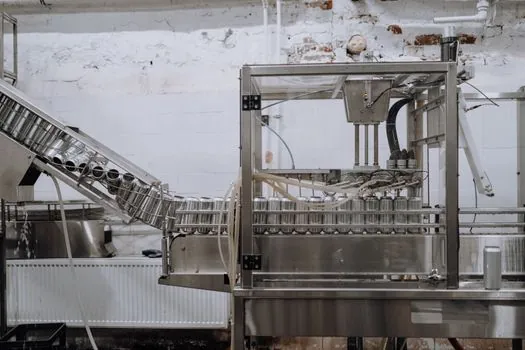
Quality system alignment is a non-negotiable downstream gate, and a converter's certifications set the floor for what aerospace, medical, and military end-markets will accept. Worthen's Nashua, NH site runs under ISO 9001:2015 and ISO 14001:2015 certifications, with business units spanning adhesive coated products, co-polyester products, laminating adhesives and coatings, foam fabricating adhesives, footwear products, paper converting adhesives, performance coated fabrics, performance coatings and adhesives, printable fabric solutions, specialty adhesives and coatings, staple and nail products, and worthen extruded films [S2].
End-market reach for a converter of this profile spans aerospace, apparel, automotive, book binding, building and construction, staple/nail/fasteners, commercial printing, graphic arts, labels, footwear, furniture, mattress, medical, military, packaging and laminating, renewable energy, ship building, and textiles, which is essentially the full downstream stack an industrial-coatings producer would address through a different go-to-market [S2]. Toll manufacturing, converting, custom adhesives and coatings, film extrusion, and web coating are the underlying capabilities that let the same site switch between adhesive and coating runs [S2].
For a process engineer sourcing coatings, the practical rule is to map the converter's certifications to your end-market first, then match the five product lines to the substrate and service profile, and only then negotiate the formulation. This sequencing avoids the common procurement failure of locking in a price on a coating whose cure window, VOC profile, or food-contact compliance is wrong for the line that has to run it [S2][S3].
Trackable Signals Through the Rest of 2026
Two signals are worth watching through the rest of 2026. First, the integration of architectural and functional demand under single converter roofs, a pattern visible in the way specialty chemicals producers package resin supply, formulation, and conversion together, is reshaping which suppliers can serve protective/industrial and functional tracks simultaneously [S2][S3]. Second, the structural shift in specialty chemicals upstream and downstream: 4 capability lanes, 8 product clusters is pulling resin-feedstock and coatings-conversion closer, and converters with both film-extrusion and web-coating capacity on a single ISO-certified site are best positioned to absorb that shift [S2].
The underlying component specifications are covered under lighting equipment and electric lamps.