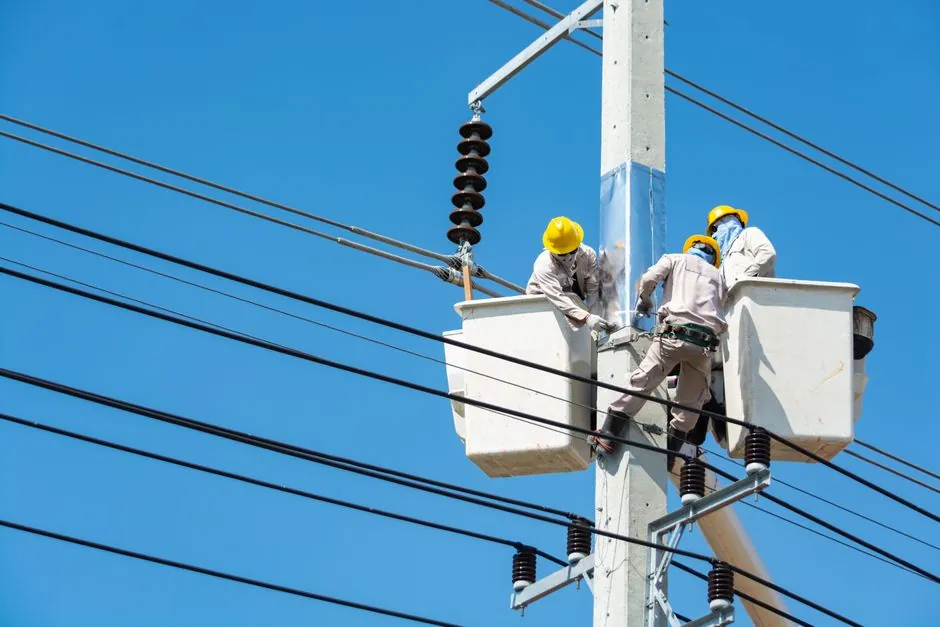
Insulated hand tools are typically rated 1,000 V AC and 1,500 V DC after being individually tested at 10,000 V, giving a 10-to-1 dielectric safety margin that buyers should treat as a floor, not a ceiling [S3][S4].
For energized work above 50 V, NFPA 70E mandates insulated tools in conjunction with arc-rated PPE, lockout/tagout, and absence-of-voltage verification; the tool rating is one control inside a layered electrical-safety program, never a stand-alone permit to work live [S1][S4].
Where IEC 60900 and the 10:1 Test Ratio Come From
IEC 60900 is the most widely cited standard for insulated hand tools used on AC and DC systems up to 1,000 V AC / 1,500 V DC, and it governs how the rating is earned rather than how it is printed on the handle [S4]. Under UL's classification route, each tool is dielectric-tested to 10,000 V to achieve a 1,000 V working rating, the 10:1 safety ratio that separates a certified insulated tool from a comfort-grip screwdriver that simply looks orange [S3].
The 10:1 ratio exists because the working voltage is the maximum continuous stress, not the transient or switching surge the tool will see in a panel. A tool rated to 1,000 V AC must survive a 10 kV hipot without breakdown, which is the same logic plant engineers use when they over-spec insulation on insulated hand tools destined for substation and motor-control work [S3][S4].
For non-electrical ratings such as impact or torque, a separate tool standard applies; do not assume an insulated handle implies a VDE-tested impact rating, and do not assume an impact-rated tool has been hipot-tested unless the dual marking is on the shaft [S2][S4].
The Four Selection Criteria That Drive the Buy
1) Voltage class: confirm the marking states both AC and DC values, because 1,000 V AC and 1,500 V DC are not interchangeable; a tool only marked "1,000 V" without a qualifier has no business on a DC battery cabinet. [S4]
2) Standard and certificate: look for IEC 60900, ASTM F1505, or an equivalent national mark, plus a serial or lot number traceable to the dielectric test report, since "insulated" printed on a catalogue page is not a substitute for a third-party certificate [S2][S4].
3) Working environment: damp, dirty, or confined-space work needs thicker two-layer overmould construction and an oil-resistant outer jacket, not the thin dip-coated handles common on consumer-grade kits.
4) Mechanical fit: the insulated layer changes the wrench OD and the screwdriver shank diameter, so fastener and clearance checks must be done on the actual tool, not the catalogue drawing; this is the same discipline used when sizing construction tools for tight-panel access [S4].
Comparison: Common Insulated Tool Variants Against Four Criteria
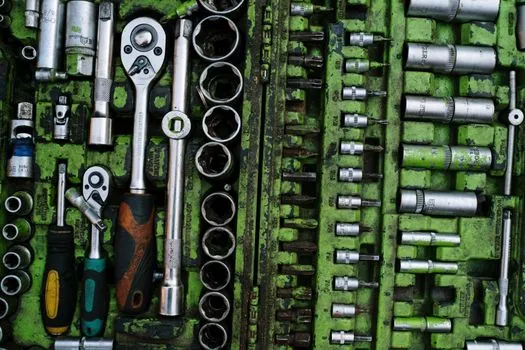
Across the four main variants an industrial buyer evaluates, the trade-offs line up as follows:
Insulated screwdrivers (slotted, Phillips, Torx): best for panel work and terminal blocks, typically rated 1,000 V AC / 1,500 V DC under IEC 60900; weakest category for torque transmission, and blade thickness grows 0.5 to 1.5 mm under the insulation sleeve, so deep-recess screws may no longer seat [S2][S4].
Insulated pliers and cutters (combination, side cutter, cable cutter): best for conductor prep; combination pliers are a generalist, side cutters are for copper only, cable cutters handle larger cross-sections but need two-handed operation. Cutting edges wear faster than the insulation, so inspect the jaw, not just the handle [S4].
Insulated wrenches and sockets (open-end, ring, ratchet + socket): best for busbar and switchgear work, with 3/8 in and 1/2 in drive ratchets common; sockets grow the most under insulation and can refuse to seat on recessed hex bolts, so a trial fit is mandatory before committing to a fleet order [S2][S4].
Insulated torque tools (preset or click-type wrenches): required when torque spec is called out on the drawing; only a subset of the IEC 60900 catalogue covers torque, and the calibration certificate must accompany the dielectric certificate, since these are two independent test passes [S2][S4].
Who Insulated Tools Are For, and Who Should NOT Buy Them
Insulated tools are for licensed electricians, maintenance crews, and field-service technicians who perform live diagnostics, troubleshooting on energised control circuits, or work in panels that cannot be easily de-energised, and they should be paired with arc-rated clothing, insulated gloves, mats, and face protection [S1][S2][S5].
Insulated tools are NOT for: (a) work above the tool's marked voltage class, including capacitor banks or traction overhead lines that exceed 1,000 V AC; (b) work where the primary hazard is arc flash rather than contact, because the insulation does not address the thermal energy of an arc; (c) mechanical assembly that needs full torque on a non-electrical joint, where a non-insulated impact tool is the correct pick and saves the dielectric tool from unnecessary wear [S2][S4].
A practical rule used in plant electrical rooms: if the job cannot be de-energised, and the approach boundary puts the worker inside the limited approach boundary, the insulated tool is the minimum, not the upgrade. This is the same logic behind the spec-first shortlist approach used for explosion-proof electrical gear, where the right certification is the entry ticket, not the differentiator.
Inspection, Storage, and the Annual Re-Test Question
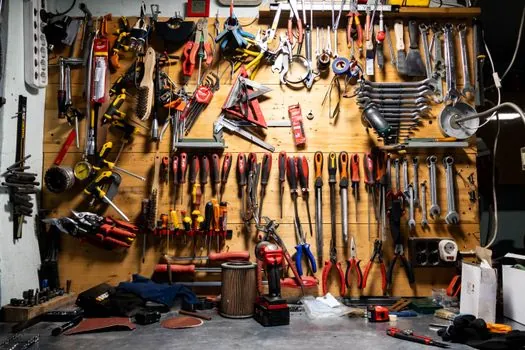
A torn insulation sleeve is not cosmetic damage; on a live panel it converts a controlled task into an exposure point, which is why a pre-shift visual check is non-negotiable [S4]. Inspect for cuts, cracks, burn marks, and discoloration, then perform a manual pull test on dipped handles where the bond can delaminate long before the surface shows damage [S2][S4].
Storage matters: keep insulated tools in a dry, clean tray separate from non-insulated tools so that impact, chemical contact, and UV exposure are limited, and never store them loose in a truck drawer alongside chisels and pry bars [S2][S5].
On re-test intervals: IEC 60900 does not impose a single fixed re-test calendar, but most plant electrical-safety programs re-test dielectric integrity annually or after any incident, and discard the tool if a 10 kV hipot fails. Operators must hold current certification from an official body and use insulated accessories such as gloves, mats, and safety glasses in addition to the tools themselves [S5].
Standards, Certifications, and the Limits of the Marking
IEC 60900 covers the 1,000 V AC / 1,500 V DC hand-tool class; ASTM F1505 is the US equivalent; NFPA 70E is the work-practice standard that triggers the requirement whenever work crosses the 50 V threshold [S1][S2][S4]. A VDE, GS, or equivalent third-party mark confirms the dielectric test was witnessed, not just self-declared by the maker [S2][S4].
Markings to confirm on the tool itself, not the datasheet: the standard number (IEC 60900 or ASTM F1505), the AC and DC voltage class, the year of manufacture, and the manufacturer's lot or serial number; if any of these are missing, treat the tool as unrated even if the handle is the correct colour [S2][S4].
For larger work surfaces such as control panels and MCCs, a related point often missed: insulated tools are part of a layered program that includes warning tape selection for electrical work, lockout devices, and arc-rated PPE, and treating the tool as the only barrier is one of the most common audit findings in industrial electrical safety programs [S1][S2][S4].
Trackable signals to watch: a tightening of IEC 60900 marking legibility rules in recent revision cycles, and a growing number of EV-service and battery-storage procurement specs that require documented lot-level traceability rather than a generic certificate of conformance.
Detailed specification references: insulated tools.