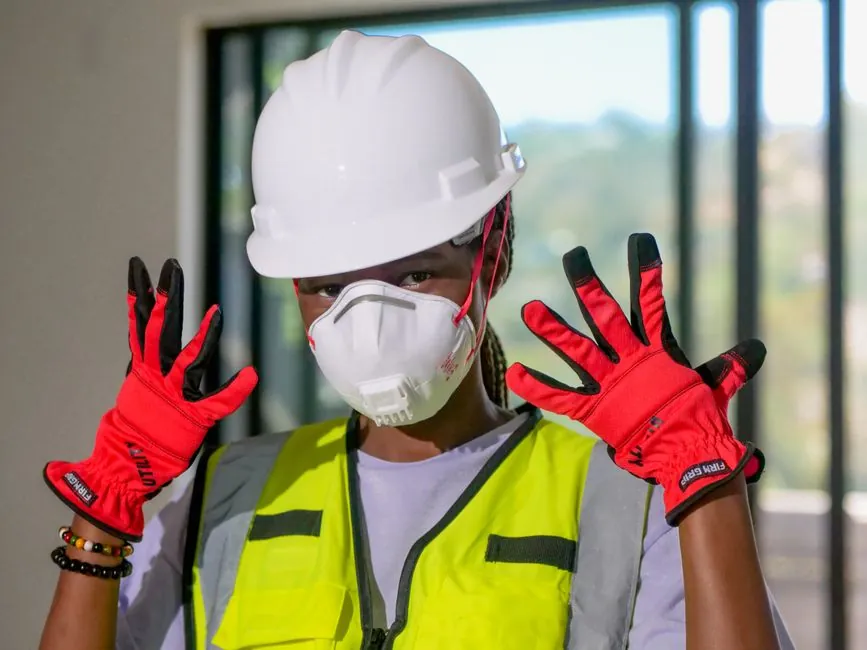
An integrated hard hat and face-shield assembly carries a higher purchase cost than a standard hard hat, but published pricing spans a broad range, including $329 for a premium Type II Kevy model and $59.99 for a compatible full-face-shield kit [S3][S8].
The comparison applies to industrial head-protection budgets where the hard hat, eye protection, and sometimes hearing protection must work together across construction, utility, forestry, and plant operations [S1][S4].
Integrated and Separate Configurations Compared
The integrated configuration combines the shell, suspension, and attached visor into one purchase, while the separate configuration combines a hard hat with independently sourced safety glasses or a bolt-on face shield. This affects first cost, replacement frequency, and compatibility with other PPE, particularly hearing protection and prescription eyewear [S1].
Published examples include a SECURIS clear-lens full face shield for SEC24 and SEC25 helmets priced at $59.99 and a SECURIS full face shield kit for SEC23 micro-brim helmets [S8].
Separate components usually win on unit price and flexibility. Standalone safety glasses cost less and can be replaced without replacing the helmet, while detached shields can be selected for a specific task [S1]. Integrated systems win when attachment improves retention, lets a visor retract into the shell, or avoids conflicts between spectacle temples and earmuffs [S1].
Purchase Price and Replacement Economics
The cost comparison must therefore include the helmet, eye protection, replacement lenses, and labor or downtime associated with missing equipment, not just the quoted visor price.
A compatible full-face-shield kit at $59.99 provides a different cost point from the $4 visor, because compatibility hardware and the included shield are part of the product [S8].
Integrated equipment has a clear replacement disadvantage if the shell and visor are sold as one non-separable unit. Separate glasses that are scratched, dropped, or lost can be replaced economically without discarding a compliant hard hat [S1]. The integrated advantage is that eye protection stays attached to the helmet, reducing the “replacement leak” caused by lost or misplaced standalone glasses [S1].
A practical procurement model is: initial price plus expected annual replacement cost plus admin replacement cost. Compare those three lines for each shift population, then include any separately required face shield, earmuffs, prescription inserts, or task-specific optical filters.
Selection Criteria That Change the Result

Type II coverage differs from top-impact-only Type I equipment, so the integrated purchase should not be judged solely as a face-shield bundle [S3][S4].
Second, decide whether the visor must retract. A retractable visor can be raised when not required and can protect the lens from scratches and dust when stowed, while a fixed shield offers a simpler assembly and fewer moving parts [S1]. For grinding, cutting, welding, chemical splash, or high-heat work, identify the required optical and coverage characteristics before comparing prices.
Third, verify interface details: shell model, attachment slots or rails, visor length, lens material, anti-fog treatment, and compatibility with hearing protection. A SECURIS kit is identified for SEC24 and SEC25 helmets, with another kit for SEC23 micro-brim helmets, so “fits hard hats” is not an adequate procurement specification [S8]. Anti-fog treatment is specifically recommended for universal safety-helmet visors, preferably with durable or permanent performance [S7].
Fourth, include fit and condition. Integrated systems that leave the shell sides clear can improve compatibility with click-in hearing protection and allow visor movement over prescription glasses, but an incorrect fit or worn ratchet can negate those benefits [S1].
Intended Users and Task Fit
Separate components are appropriate for low-risk tasks, mixed crews, prescription eyewear users, and sites where workers regularly move between helmeted and bareheaded duties. Their advantages are low first cost, broad availability, and the ability to replace a damaged lens without replacing the shell [S1].
Integrated systems suit crews with repeated grinding, cutting, demolition, or other tasks where eye protection must be deployed quickly and retained on the helmet. Attachment reduces opportunities to leave glasses in a vehicle and avoids spectacle-temple interference with earmuffs, which can affect both comfort and the acoustic seal [S1].
Integrated systems are not the automatic choice for every worker. A premium $329 Type II shell may be unnecessary where a lower-rated hard hat is adequate, and a $59.99 shield kit adds cost without reducing lens losses if users routinely remove or abandon the equipment [S3][S8]. For stable work areas, separately issued task shields can be more economical when managed as controlled PPE.
Failure Modes That Affect Cost
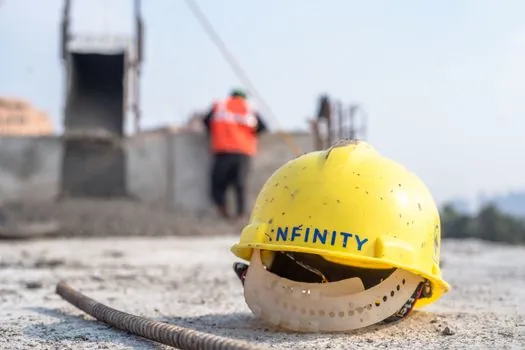
Scratched, fogged, or incompatible lenses cause the main operating failure in both configurations. A stored integrated visor protects against scratches and dust, but the mechanism can be overstressed or the lens can still degrade [S1]. Separate shields have more exposed handling opportunities, yet a damaged $4 visor can be replaced without changing the helmet [S9].
Fit is another failure mode. A visor that rides on prescription frames, seals against clothing, or conflicts with earmuffs can cause users to bypass the equipment [S1]. Specify the visor dimensions and helmet model rather than accepting a universal-fit claim, since one published shield is 8 by 15.5 inches [S9].
Loss and omission create different cost profiles. Detached glasses are described as frequently lost, misplaced, or dropped, while attached eye protection travels with the helmet [S1]. Integrated systems can still fail through poor maintenance, accidental impact, shell deformation, or a failed pivot, so inspections remain necessary even when the equipment appears permanently attached.
Standards and Purchasing Requirements
The cited hard-hat products use ANSI/ISEA Z89.1-2014, including Type II, Class C configurations for the Kevy and Kevy Slick [S3]. Modern safety helmets are also described against Type II requirements for protection from top, front, side, and rear impacts, whereas Type I equipment is described as protecting against direct vertical impact [S4]. These distinctions must be matched to the site hazard assessment and jurisdiction.
Do not treat the face shield as a substitute for an independently required eye-protection rating. Verify the shield or visor against the applicable ANSI Z87.1 eye-protection requirement and the required head-protection classification for the work. Compatibility records should identify the helmet model, visor model, attachment method, and permitted accessory combinations [S3][S8].
For fleet purchasing, request separate quotes for at least three configurations: hard hat plus separate eyewear, hard hat plus fixed shield, and hard hat plus retractable visor. Normalize each quote per worker and include lens replacement, earmuff compatibility, prescription accommodation, and expected service life. Use observed replacement and non-use rates to validate the model, because published retail prices do not include fleet replacement behavior [S1][S8][S9].
The lowest sticker price is usually the separate-component package, while the integrated system is the stronger choice when attachment, rapid deployment, and reduced eye-protection omissions justify the premium. Validate that conclusion against annual replacement records, task coverage, and shell and visor requirements before issuing a fleet order.
