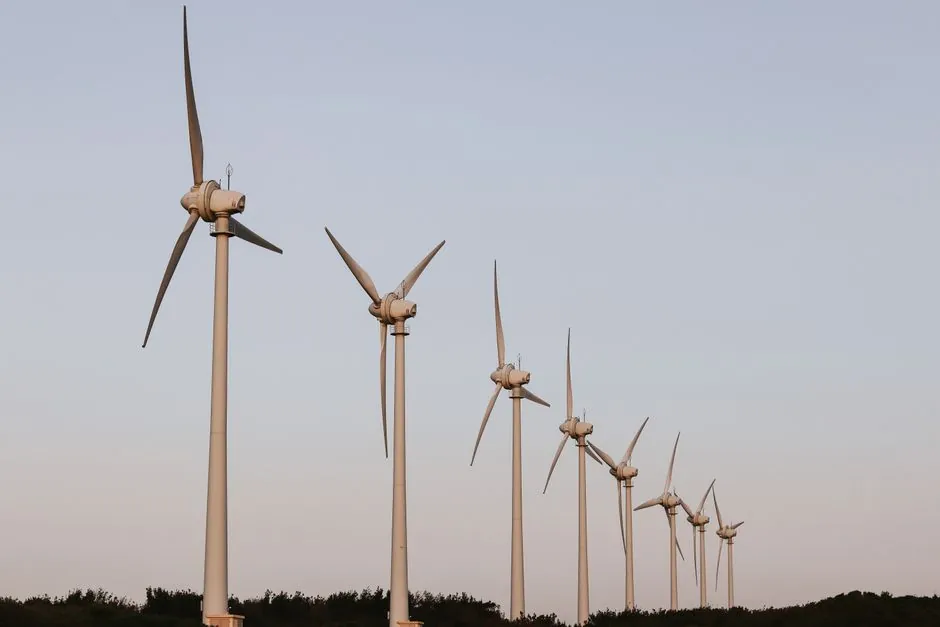
A new hybrid, DNV-certified jack-up vessel is designed to transport and install seven complete 15 MW turbine sets [S7].
The market is separating purpose-built high-capacity vessels from legacy jack-ups; a crane upgrade can improve lifting capability without solving the vessel’s cargo-space or stability constraints.
Capacity thresholds for a 15 MW installation campaign
A new hybrid, DNV-certified jack-up vessel is designed to transport and install seven complete 15 MW turbine sets or five sets of more than 20 MW [S7]. These figures are useful screening points, not a universal certificate of suitability.
The reduced extended-capacity figure explains why outreach, pedestal geometry, radius and vessel motion must be checked before assigning a turbine to the vessel.
The project load must be compared with more than rated megawatts. Verify the tower, nacelle, hub and blade mass, component footprint, number of sets per voyage, required crane radius and maximum lift height. A vessel that can lift one heavy component is not necessarily efficient for a complete 15 MW turbine campaign.
Jack-up versus floating and feeder-based options
A jack-up is the normal candidate for a 15 MW installation in suitable water depth because the legs provide a fixed platform for crane and hull operations. A floating crane vessel is more relevant where jack-up legs cannot reach a stable seabed position, while a feeder or transport barge can supplement a turbine installation vessel when deck capacity, rather than lifting capacity, is the binding constraint [S4].
For jack-up, floating crane and feeder-assisted arrangements, compare four gates: first, whether the installation platform can operate safely at the specified water depth and soil conditions. Second, whether it can place the project’s heaviest component at the required outreach. Third, whether it can carry the intended number of components. Fourth, whether a weather window can cover jacking, lifting, blade installation and departure.
Do not use generic vessel class names as the procurement specification. The Ulstein reference describes a jack-up for 15 MW turbines and lists a vessel length of 142 m [S6], but length alone does not establish payload, deck load, crane capacity, maximum hook height, leg span, operating depth or basin entry limits.
Diagnose jack-up shortages before chartering
If a project cannot secure a suitable installation vessel, the root cause may be an equipment gap, a geographic mismatch, or an unbankable loading and weather plan rather than an absolute shortage of jack-ups. Separate the symptom from the cause before changing vessel type. [S1]
A screening study for the Brazilian coast identified vessel compatibility as a critical constraint for installing 15 MW turbines [S5]. The practical checks begin with water depth, leg length, hull area, soil bearing capacity and expected weather exposure. Next confirm deck loading, crane radius, lift height and port-access limits. Replace a vessel if any mandatory lift exceeds its certified capacity or if the operating depth exceeds its approved envelope.
Escalate to the vessel owner and marine warranty surveyor when the available data do not cover jacking loads, hull strength, leg punch-through, crane lift charts or weather limits. Do not repair a mismatch by extrapolating beyond a published rating. Obtain the vessel-specific loading manual, lift plan and approved operating envelope.
Crane upgrades do not remove deck-space constraints
The broader problem is that added crane capacity does not automatically create usable deck space for a higher number of complete turbine sets.
For a legacy candidate, inspect three acceptance tests. First, the crane certificate must cover the actual lift at the actual radius, including any temporary conditions. Second, the deck must have verified load limits and a cargo arrangement compatible with turbine dimensions. Third, the loading and departure route must pass with blades installed transversely where that arrangement is used.
A 2022 study of loaded jack-up departures found that transversely carried blades can extend beyond the vessel’s side and strike a hydrotechnical structure or moored vessel in a constrained waterway. Its proposed method determines the safe maneuvering-area width and maximum safe blade length from waterway hazards and an acceptable-accident-risk criterion [S2]. A port call should therefore receive a route-specific assessment, not only a berth-length check.
Port, cargo and weather constraints define usable capacity
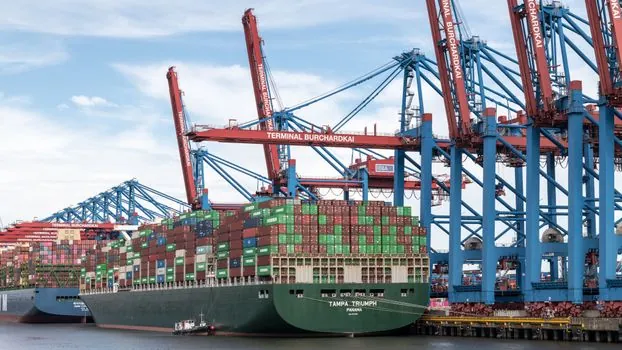
Rated deck area and payload do not determine how many 15 MW sets a vessel can carry after allowances for securing, sea-fastening, crane access, safety zones and component segregation. A 5,600 m² deck can support high set counts when configured for the right turbine geometry, but the same area can become inefficient if the blades, towers or nacelles occupy it in an unfavorable arrangement [S1].
Use a project cargo plan that records each component’s mass, length, width, height and support arrangement. Include the number of complete sets, crane outreach, hub height, blade handling method and the required number of voyages. For port access, separately verify basin dimensions, turning area, under-keel or leg clearance, berth load capacity, quay crane interfaces and the navigational clearance of any overhang.
The installation site adds its own limits. Jack-up water-depth capability must be checked against the charted depth plus setup allowances, and leg penetration must be assessed for the expected seabed soil. Weather criteria must cover the complete jacking, lifting and blade-installation sequence. The related offshore wind installation vessel build time and schedule analysis is relevant when charter lead time, vessel delivery and project sequencing determine whether a nominal vessel can be available.
Availability planning needs a dated vessel schedule
A 2026 availability plan should identify each candidate by name, class, operational region, contracted commitments and specific shipyard or mobilization constraints. Market summaries can establish fleet direction, but an unsupported market forecast cannot prove that a vessel is available for a particular installation window. [S1]
Track three commercial nodes: written vessel availability for the requested dates, approval of the vessel and cargo configuration for 15 MW components, and confirmation of port access at both loading and installation areas. A market entry or newbuild announcement is not equivalent to a committed charter unless it includes a vessel identity, delivery status, operating envelope and contract period.
For 15 MW projects, set the first screen at a modern high-specification benchmark: more than 17,600 tonnes payload, roughly 4,600–5,600 m² deck area and crane capability above 2,000 tonnes subject to radius. Then require vessel-specific evidence for water depth, leg loads, crane charts, weather limits, port route, cargo securing and campaign schedule before signing.