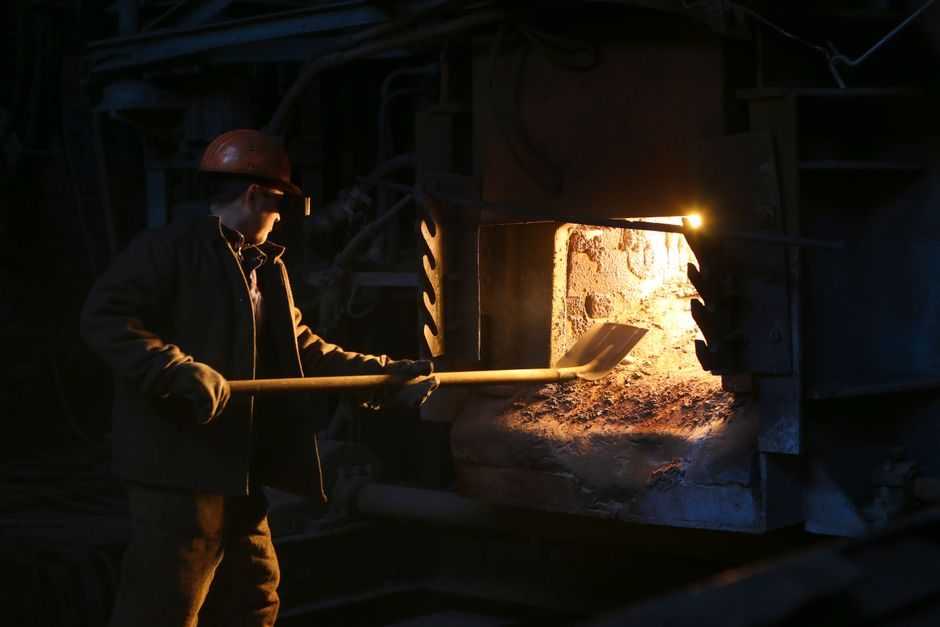
Magnesium die casting machines in 2026 fall into two distinct platforms — hot-chamber units sized for magnesium shot weights typically below 5 kg, and cold-chamber units that handle magnesium alongside aluminum for larger structural parts — and the buying decision is driven by clamping force (kN), shot weight (kg), injection pressure (bar) and shot speed (m/s) rather than brand prestige.
For process engineers comparing magnesium die casting machine options against a generic die casting machine line card, the most expensive line item is rarely the machine itself but the cell around it: shot-end metallurgy, die-set alignment, vacuum sealing, and the safety/containment package for molten magnesium that most regional safety codes now require.
Why Magnesium, and Why a Dedicated Machine
Magnesium has the lowest density of any structural die-cast metal — roughly 1.74 g/cm³, about 35% lighter than aluminum at 2.70 g/cm³ and a quarter of steel at 7.85 g/cm³ — and that weight gap is the engineering reason a buyer steps up to a magnesium-capable cell in the first place [S4].
Magnesium also runs hotter and reacts more aggressively with oxygen and water than aluminum, which is why the hot-chamber architecture — where the gooseneck and shot piston stay submerged in molten metal inside a sealed furnace — is the default for magnesium shot weights typically under 5 kg, while cold-chamber cells (ladle-fed, shot cylinder outside the melt) are used for larger magnesium structural castings where the gooseneck would be overstressed [S4][S5].
Practically, a hot-chamber magnesium die casting machine is shorter cycle (no ladle step), lower scrap per shift, and easier to automate, but is capped on shot weight and is not the right tool for very large structural castings where cold-chamber architecture dominates [S4].
Core Specs That Drive a 2026 Buy Decision
Clamping force is the single number that defines the machine class: 500–2,500 kN covers the small-to-medium Mg hot-chamber range used for electronics, power-tool housings and small automotive brackets, while 2,500–9,000 kN cold-chamber platforms are the typical Mg/structural-Al territory [S1][S4].
Shot weight is the second gate: a 160-tonne-class hot-chamber Mg machine typically fires 0.3–2.5 kg of AZ91D or AM60B per shot, and 800–4,000-tonne cold-chamber units can deliver 5–25 kg per shot for larger structural parts such as EV subframes, instrument panel beams, and seat frames [S1][S4].
Injection pressure and shot speed set the porosity and surface quality bar. Magnesium hot-chamber cells typically run 300–700 bar injection pressure, with intensified booster stages above 1,000 bar for thin-wall (under 2 mm) sections, while cold-chamber magnesium cells run 500–1,200 bar and are commonly paired with vacuum-assist or squeeze-pin intensification for the same thin-wall targets [S4][S5].
For a direct head-to-head read, a cold-chamber aluminum die casting machine can also be specified for magnesium on larger parts, but the buyer pays for longer cycle (ladle step), higher steel-mass in the shot end, and a larger footprint per kN of clamp force compared with a hot-chamber Mg cell [S5].
Process Variants Buyers Should Match to the Part
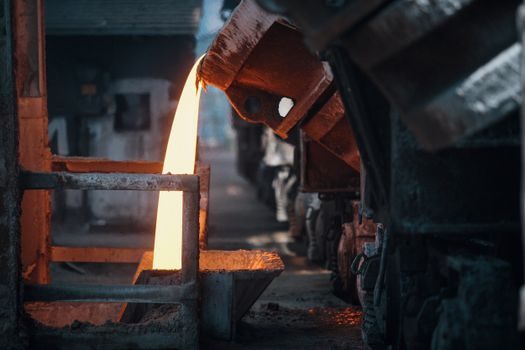
Standard (atmospheric) hot-chamber Mg die casting is the default for thin-wall consumer-electronics and power-tool housings where draft tolerances of 0.2–0.4 mm and cycle times under 60 s are routine [S4].
Vacuum-assisted magnesium die casting is specified where the buyer needs porosity below ASTM E505 Grade 2 or weldable/heat-treatable Mg castings — typical use cases are seat frames, steering components, and EV battery housings where post-cast heat treatment or welding is in the routing [S4].
Squeeze casting and semi-solid (thixomolding-style) magnesium processing are niche 2026 options: squeeze casting uses intensified pressure (typically 500–1,500 bar held through solidification) for near-zero porosity structural parts, while semi-solid Mg machines add a billet-heating station and run at lower injection temperatures (around 580–610 °C vs the 620–680 °C range for fully liquid Mg hot-chamber) for reduced oxidation and longer die life [S4].
A vacuum die casting machine retrofit onto an existing hot-chamber Mg cell is the most common 2026 upgrade path where the buyer wants vacuum-class porosity without replacing the platform, and most major OEMs now ship vacuum-ready platen and seal packages as factory options [S4].
2026 Sourcing Map: OEM, Regional Builder, and Used Market
Japanese and European OEMs (Shibaura Machine, Toshiba Machine, UBE, Italpresse, Bühler) sit at the top of the magnesium-capable line card, with clamping forces from ~160 tonnes up to 9,000 tonnes and full vacuum/squeeze options; the DC-R Series from Shibaura Machine, for example, is a current-generation small-to-medium platform with servo-driven hydraulic energy savings cited at 30–50% versus older proportional hydraulics [S1].
Chinese regional builders — Longhua, Lanson, Haitian, KMT — have closed the gap on small-to-medium hot-chamber Mg machines and dominate the sub-1,000-tonne export segment; a 160–400-tonne Chinese-built Mg hot-chamber cell typically lands in the US$60,000–180,000 FOB range for a new unit, with delivery of 60–90 days being standard [S2][S5].
For buyers mapping factory clusters and lead times across a wider industrial base, the CNC machine supplier map 2026: factory clusters, price bands and sourcing levers reads as a useful parallel reference for the surrounding cell equipment — milling, robotics, trimming presses — that ships alongside a magnesium die casting cell.
Safety, Containment, and Codes Buyers Cannot Skip
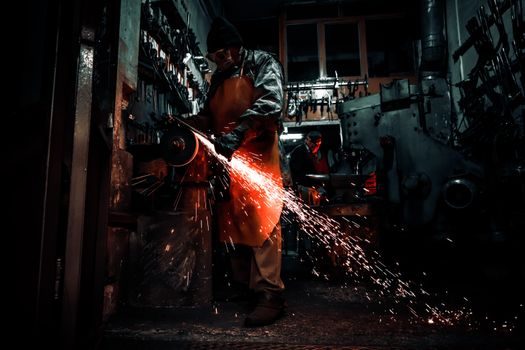
Molten magnesium reacts violently with water and aggressively with oxygen above its melting point (around 650 °C for AZ91D), so 2026 cell specs should always include a cover-gas (SF6/CO2 mix or newer Novec/3M alternatives) enclosure, dry-coat die spray, and a melt-pool cover-gas flow meter — these are not optional for insurance or CE/UL plant audits [S4].
Crack detection, melt-level sensors, and shot-end leak detection are now standard on Mg-capable cells, and most OEM pricing in 2026 includes them in the base machine rather than as retrofits [S1][S4].
Buyers should verify that the cell carries CE marking (European), UL 508A panel certification (North America), and the regional safety standard for molten metal — in China GB/T safety codes apply, in Europe EN 12647 and ISO 9001 are typical reference points for process control, and buyers should request the OEM's declaration of conformity rather than rely on brochure claims [S1][S5].
Total Cost of Ownership: Price Bands and Hidden Line Items
A new 400-tonne hot-chamber Mg die casting machine in 2026 lands in the US$180,000–350,000 band from a Chinese regional builder and US$450,000–900,000 from a Japanese or European OEM, with cold-chamber 1,600-tonne Mg-capable units running US$800,000–1,800,000 new and US$300,000–700,000 on the 5–10-year-old used market [S1][S2][S5].
Die cost dominates a magnesium cell: a single-cavity production die for a magnesium auto bracket typically runs US$25,000–80,000, multi-cavity magnesium electronics housings can run US$60,000–200,000, and die life on magnesium is typically 80,000–150,000 shots — significantly longer than aluminum at 50,000–100,000 shots because Mg's lower casting temperature reduces thermal fatigue on the die steel [S4].
For buyers weighing magnesium against a zinc die casting machine for small, thin-wall parts, the answer in 2026 is: zinc is cheaper per shot for parts under 300 g with very fine detail, but magnesium wins on strength-to-weight above 1 mm wall thickness and is the only realistic option for parts above ~1 kg where weight matters [S4].
Common Failure Modes and What to Audit on a Used Cell
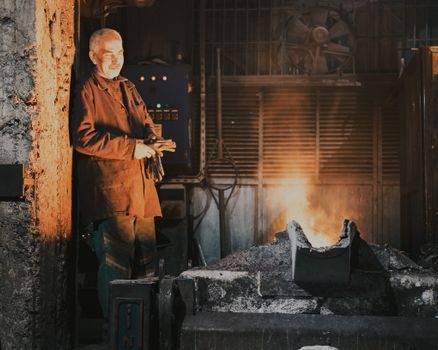
The three dominant failure modes on magnesium die casting cells in 2026 are: (1) gooseneck erosion/chemical attack from Mg melt after 50,000+ hours, visible as pitting at the melt line; (2) platen deflection under tonnage — most Mg hot-chamber cells are rated at ±0.05 mm/m platen parallelism, and anything worse is a rebuild trigger; (3) shot-piston seal failure, which on a used machine is the most expensive single repair (US$8,000–25,000) and the most common reason a "cheap" used Mg cell ends up costing more than a new Chinese-built unit [S4].
Buyers should also verify tie-bar stretch (typically measured with a dial indicator, 0.2 mm/m is acceptable, above that and the platen geometry is compromised) and check the die-height adjustment for backlash before signing a used-cell PO [S4].
Selection Criteria: Who Should Buy What
A 160–400-tonne hot-chamber Mg cell is the right 2026 pick for: consumer electronics housings (laptops, power tools, drone frames), small automotive brackets, and any application under 2 kg shot weight where cycle time and surface finish matter more than absolute structural performance [S1][S4].
An 800–2,500-tonne cold-chamber Mg cell is the right pick for: EV structural castings, instrument panel beams, seat frames, and any part above ~5 kg shot weight or with post-cast heat treatment or welding in the routing [S4][S5].
A gravity die casting machine — sometimes pitched as a magnesium option for low-volume structural parts — is rarely the right answer for production magnesium in 2026: gravity Mg parts have lower density, more porosity, and longer cycle times than pressure-die-cast equivalents, and the use case is essentially limited to short-run prototype and low-volume aerospace bracket work [S4].
Trackable 2026 Signals to Watch
Two follow-up signals are worth tracking through the rest of 2026: (1) the rollout of SF6-free cover-gas systems (Novec 612 and similar fluorinated-ketone blends) on OEM price lists, which is shifting from optional to standard on European-built cells and is now appearing on Chinese regional builders as a US$8,000–15,000 retrofit option; (2) the lead-time differential between Japanese/European OEMs (typically 6–9 months on a new Mg cell in 2026) and Chinese regional builders (60–90 days), which is the single biggest lever a buyer with a tight production-start date can pull [S1][S2][S4].