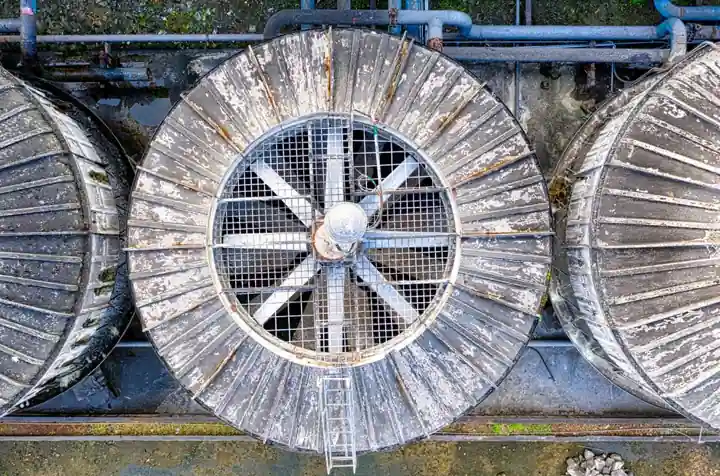
Ultrafiltration (UF) modules rated at 0.01–0.1 µm pore size are now the default workhorse for surface-water membrane retrofits, removing 99.99% of bacteria and 99.999% of viruses while running at fluxes up to 150 LMH under standard hollow-fiber formats [S3].
Two procurement levers dominate the 2026 buying cycle: (a) demonstrating compliance with the membrane approval pathway used by U.S. surface-water systems under Ohio EPA ENG-05-001 guidance, which mirrors the LT2ESWTR challenge-test protocol, and (b) using a qualifications-based selection (QBS) or design-build-operate (DBO) delivery model rather than a lowest-bid tender [S1][S4].
Membrane approval pathway: pilot study vs. established design criteria
Surface-water membrane systems must meet the particulate and microbiological removal requirements tied to LT2ESWTR challenge studies; the submittal should include supporting performance data from challenge studies conforming to those requirements [S1].
Buyers have two compliance routes. Path 1 is a pilot-scale demonstration study that informs the full-scale design; Path 2 is using established design criteria from the regulator's Section VII in lieu of pilot work. Log-removal credit for Giardia lamblia and Cryptosporidium is set by challenge tests on the specific module, run by the manufacturer or, preferably, a third party. OAC Rule 3745-81-73 frames the underlying obligation in Ohio, but the LT2 challenge-test logic travels with any U.S. surface-water project [S1].
What UF, MF, and RO each do, and when to buy which
UF sits between microfiltration (MF) and reverse osmosis (RO): the 0.1–0.01 µm pore window physically excludes colloids, proteins, bacteria, and most viruses while passing dissolved salts, so RO is unnecessary unless you need ionic rejection [S3].
Use MF when the goal is only turbidity and suspended solids reduction; use UF when you need a true pathogen barrier plus clarified water; use RO downstream of UF when feed-water total dissolved solids or specific ions (nitrate, fluoride, hardness) must be removed. In a drinking-water plant, UF can drop turbidity from 0.5 NTU to 0.05 NTU, and the UF effluent becomes a high-quality RO feed, protecting the RO from fouling and extending membrane life [S3]. For the mechanical side of any skid, pay attention to the linear guide choice on automatic backwash carriages, since the carriage carries the chemical head across the cassette.
Spec sheet must-haves: material, flux, integrity, and operating envelope
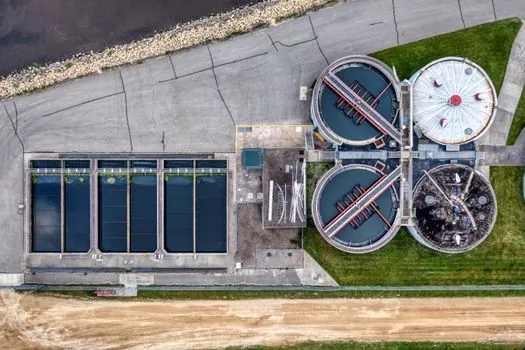
Modern hollow-fiber UF runs at fluxes up to 150 LMH, holds product water quality steady across that range, and is typically built from PVDF or PES for chemical tolerance and mechanical strength; cut these values into the data sheet, not the marketing brochure [S3].
Lock four specs in the bid form: (1) nominal pore size with tolerance, (2) clean-water flux at 25 °C and 1 bar with the test method cited, (3) pressure-decay or vacuum-decay integrity test value in kPa and the corresponding log-removal credit, and (4) maximum operating temperature, pH range for cleaning (typically 1–13), and maximum feed turbidity. Add the same for RO if it is in scope. For plants exposed to seasonal thermal swings, anchor the cold-room cabinets on a crossed roller guide sized for the load, because thermal contraction of the frame changes preload more than most buyers expect. Pretreatment chemistry is part of the spec too: coagulants such as aluminum sulfate (CAS 10043-01-3) and ferric sulfate (CAS 10028-22-5) dose at 20–100 mg/L on a jar-test target, while pre-hydrolyzed polyaluminum chloride (CAS 1327-41-9) cuts both dose and alkalinity demand [S2].
Bidding model: QBS, DBO, and life-cycle cost over sticker price
Lowest-bid tenders consistently underperform municipal upgrades; flexible procurement that weights quality and experience, then negotiates price after scope is fixed, is the dominant best practice across North American case studies [S4].
Three contractual patterns show up in successful wastewater and water upgrades: (1) QBS with prequalification of contractors and equipment so life-cycle cost is comparable, (2) design-build (DB) and design-build-operate (DBO) delivery that gives the builder-operator skin in the game on operating cost, and (3) post-tender value engineering where the owner and successful bidder re-cut scope to cut capex without hurting performance [S4]. Membrane modules are a strong prequalification target: the bid should let owners preselect a short list so the equipment spec supports a fair life-cycle comparison, not an apples-to-oranges price war. The Ohio EPA protocol doubles as a useful prequalification filter, because the same challenge-test evidence that wins plan approval is the same evidence that wins the bid [S1].
Cost model: utilities, consumables, and what to put in the contract
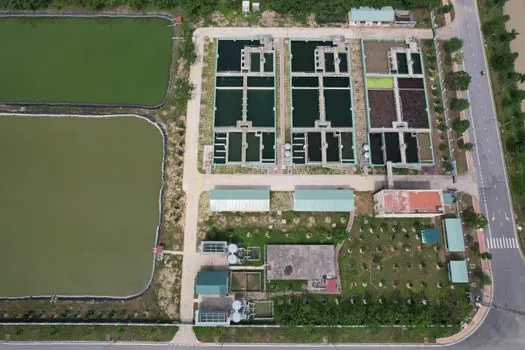
Water treatment equipment is a life-cycle purchase, not a capital purchase: utility cost, preventive maintenance, membrane replacement, and vendor service contracts all land on the operating budget and need to be priced into the bid evaluation [S5].
Three cost lines drive the 20-year view. (1) Energy: RO high-pressure pumps and UF backwash pumps dominate; spec the specific energy in kWh/m³ permeate. (2) Membrane replacement: hollow-fiber UF modules typically run 5–8 years before integrity-test failure; RO membranes run 3–5 years depending on feed. (3) Chemical consumables: sodium hypochlorite (CAS 7681-52-9) at 10–12.5% available Cl for disinfection and clean-in-place, sulfuric acid (CAS 7664-93-9) at 93–98% for pH down, and caustic soda (CAS 1310-73-2) at 25% or 50% for pH up, all sized to dose, not just delivered [S2]. Liquid hypochlorite loses strength in storage, so the contract should fix delivered strength and decay compensation, not just price per liter.
Supplier evaluation: who to qualify, who to drop
Module manufacturing is a global oligopoly with regional OEM/ODM partners; qualifying a supplier means checking challenge-test certificates, installed-base references in similar feed-water, and the local service network, not just the brochure [S3].
Run a four-pillar supplier scorecard. (1) Compliance: third-party LT2 challenge data on the exact module, not a sister product, plus NSF/ANSI 61 or equivalent for drinking-water contact. (2) Capacity: documented manufacturing capacity in m²/year, with a stated lead time in weeks and a stated allocation policy in shortage. (3) Support: regional warehouse, CIP protocol library, and 24/7 phone support, since membrane plants fail on weekends. (4) Financial: audited financials or D&B rating, because a 20-year membrane supply contract dies if the supplier dies in year 4. Use QBS to interview the top three on the scorecard before price negotiation, which mirrors the procurement practice used in Canadian municipal upgrades [S4].
Resilience and risk: pretreatment, redundancy, and what kills membranes

Most membrane failures are not membrane failures: they are pretreatment failures, hydraulic upsets, or chemical excursions upstream of the rack [S3][S4].
Three resilience moves. (1) Specify a pretreatment envelope (turbidity limit, oil and grease limit, temperature range) and tie it to a contractual alarm point; exceeding it forfeits the membrane warranty. (2) Build N+1 redundancy on critical pumps and CIP skids so a single failure does not force a full-rack shutdown. (3) Bake in change management: training and O&M plan delivery to operations staff is a contractual deliverable, not a courtesy, because the operator who does not understand the membrane will kill it inside two years [S4]. For chemical-intensive pretreatment, also check that the storage and dosing room sits inside a properly sealed envelope, since waterproof membrane selection in containment bunds follows a different rule book than process-side UF. The procurement file should also document the World Bank DBO Standard Bidding Document for water and wastewater works as a reference template, since it codifies DBO delivery language that fits a membrane plant [S7].
Trackable signals for the next buying window: (1) third-party challenge-test certificate database updates for modules already on the U.S. market, since each refresh is a renegotiation lever; (2) the published lead time of the qualified short list at bid opening, because a 40-week change in delivery collapses the capex plan; (3) NSF/ANSI 61 re-certification dates on modules already in service, which gate continued use in drinking-water service. For industrial buyers not on the drinking-water side, the heat treatment furnace supplier map is a useful proxy for how OEM service networks behave under capacity pressure, and the procurement patterns in Pneumatic Actuator 2026 translate cleanly to CIP skid valve sourcing for the same membrane plant.