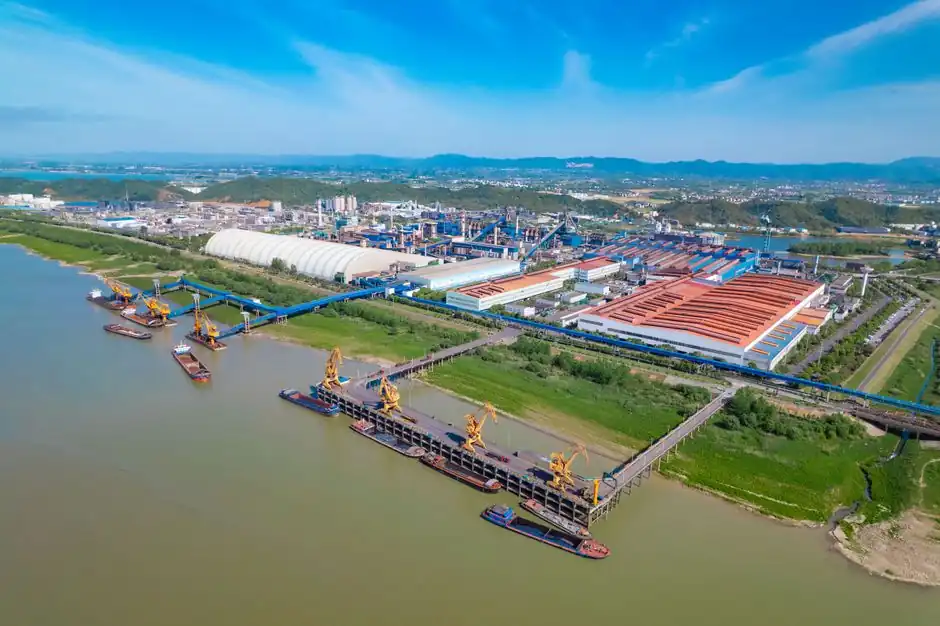
The neodymium mine-to-magnet chain passes through mining, ore concentration, separation into rare earth oxides, metal conversion, NdFeB alloying, magnet fabrication, and application-specific qualification.
Neodymium, praseodymium, dysprosium, and terbium are the four principal magnet rare earths; defense systems, electric vehicles, wind turbines, robotics, and data centers create distinct demand profiles.
Where Neodymium Enters the Industrial Chain
Neodymium is not extracted as a finished magnet material. Bastnaesite and monazite are the two principal source minerals identified for neodymium-bearing feedstock, with the mineral mix determining the associated rare earth composition and processing burden [S8].
Mined ore normally moves through concentration and chemical separation before individual rare earths are available as high-purity compounds. The IEA separates magnet rare earth production into stages covering mining, separation, refining, and magnet production, while its executive summary treats neodymium, praseodymium, terbium, and dysprosium as the magnet-rare-earth group [S4][S7].
Neodymium oxide is therefore an intermediate specification, not a universal trade product. Purchasers must define purity, contamination limits, particle characteristics, and the production route required by the downstream metal or alloy operation [S1][S4].
Mining to Oxide: The Separation Bottleneck
Separation converts mixed rare earth feedstock into individual oxides, including neodymium oxide, praseodymium oxide, dysprosium oxide, and terbium oxide. This chemical stage separates the mining stage from the metallization stage and is one of the most capital-intensive links in the chain [S1][S7].
The economic problem is that a deposit can contain several rare earths in commercially unhelpful proportions. A mining project does not automatically create an adequate supply of any single magnet oxide, because the separation plant must recover and purify each element while managing unwanted fractions and process residues [S1][S4].
This model links extraction and separation geographically, but it does not by itself cover metal production, alloying, or magnet fabrication.
For procurement, a mine location alone is not proof of oxide availability. The relevant gate is separated oxide output with a documented chemistry and production route, because downstream metal makers require consistent feed quality rather than merely access to ore [S1][S7].
Oxide to Metal, Alloy, and Magnet
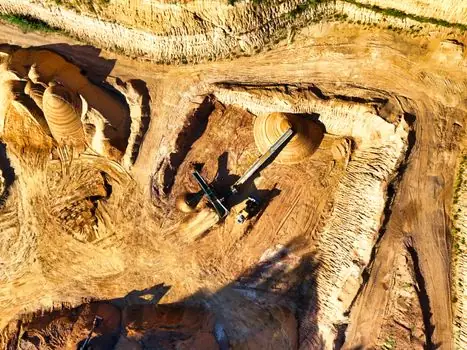
After separation, rare earth oxides are converted into metals or alloys before they enter magnet manufacture. The Defense Department identifies sourcing, separation, processing, metallization, alloying, and magnet manufacturing as the critical nodes in a domestic mine-to-magnet chain [S2].
Sintered NdFeB is the principal technology covered in the U.S. Department of Energy supply-chain assessment. In a typical production sequence, metal preparation is followed by alloying, pulverization, magnet formation, machining or magnetization, and final performance testing, with the exact route and quality controls set by the magnet design [S1].
The supply-chain implication is straightforward: securing neodymium oxide does not secure finished magnets. Metallization capacity, alloy formulation, tooling, grinding, coating, magnetization, and quality assurance must all exist at adequate scale and compatible specification [S1][S2].
Selection Criteria for Buyers and Strategic Planners
A buyer evaluating neodymium oxide should prioritize verified separation capacity, oxide purity, contractual traceability, and compatibility with a qualified metal-conversion route. Geographic proximity alone is weak evidence because separation, metallization, and magnet capacity can sit in different countries [S1][S2][S4].
Reliability analysis must also distinguish element coverage. Neodymium and praseodymium support the main NdFeB composition, while dysprosium and terbium improve performance at elevated temperature or in demanding coercivity conditions. Heavy rare earth availability is identified as a distinct supply-chain challenge rather than a simple extension of neodymium output [S3].
The Defense Department has advanced its goal of developing domestic rare-earth-material supply chains to ensure continued access to the materials needed to manufacture permanent magnets for important U.S. military weapons systems [S2].
That defense pathway is relevant to industrial planning because it treats the chain as a sequence of qualified nodes rather than a single mining project. It also demonstrates how public funding can support separation, metallization, and magnet-making capacity that private capital might not build on the same schedule [S2].
NdFeB, SmCo, and Recycling Compared
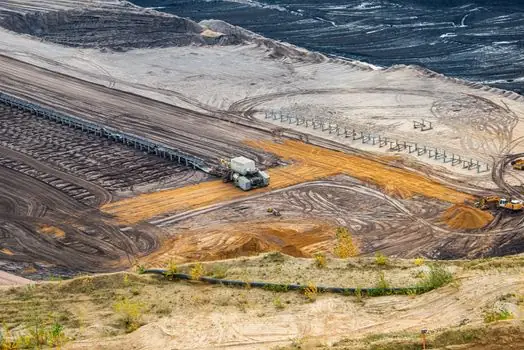
NdFeB, SmCo, and recycled magnet feedstock differ materially on the four procurement variables that matter most: magnetic strength, demagnetization resistance, high-temperature capability, and supply exposure. [S3]
Recycling is not a drop-in substitute for primary oxide. It introduces collection, separation, contamination-control, and requalification requirements, while a material-flow study of the United Kingdom found that most end-of-life rare-earth-containing components were not recovered and that substantial traceability gaps persisted across the global chain [S5].
Defense, Mobility, and Energy Create Different Demand
Defense demand illustrates the concentration risk embedded in downstream magnet supply. The Defense Department identifies rare earth permanent magnets in the F-35, Virginia and Columbia class submarines, Tomahawk missiles, radar systems, Predator unmanned aerial vehicles, and Joint Direct Attack Munition series [S2].
Reported rare earth content includes more than 900 pounds for an F-35, 5,200 pounds for an Arleigh Burke DDG-51 destroyer, and 9,200 pounds for a Virginia-class submarine [S2]. These figures demonstrate why qualification of a domestic chain matters for platforms with long service lives and restricted procurement timelines.
Commercial applications differ by volume and performance. IDTechEx identifies electric vehicles, wind energy, consumer electronics, data centers, robotics, industrial equipment, and aerospace as demand sectors, while forecasting the global rare earth magnet market to exceed US$13.3 billion by 2037 [S3]. That forecast is market intelligence, not a procurement volume guarantee, but it confirms that the downstream customer base extends well beyond defense.
UK material-flow data for 2017 through 2021 quantified net imports of 1,238 tonnes of rare earth elements in compounds and 7,787 tonnes in NdFeB magnets. The country's fragmented value chain and reliance on imported magnet material also show why national planning must address processing and traceability, not mining alone [S5].
Failure Modes and Traceability Gaps
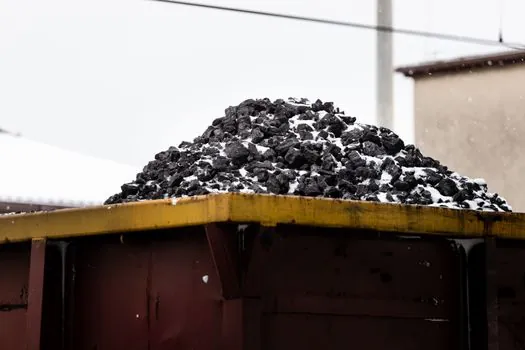
Price volatility, heavy rare earth availability, capital cost, operating cost, and gaps in process knowledge are the principal supply-chain risks identified for rare earth magnets [S3]. An oxide project exposed to these risks can remain technically successful while failing to provide a bankable magnet supply chain.
Traceability is a separate failure mode. The UK material-flow study found a lack of data across the global rare earth supply chain that prevented full visibility into how rare earths were used, while significant quantities remained in in-use stocks rather than being recovered [S5]. Specifications that record only mine origin or oxide grade therefore do not establish full chain custody.
The remedy is a chain of custody that links mine and concentrate, separation plant, oxide lot, metal conversion, alloy batch, magnet part number, and end use. The IEA and DOE assessments both emphasize the value chain as a linked system, while the Defense Department strategy explicitly maps critical nodes from sourcing through magnet manufacturing [S2][S4][S7].
What to Track Beyond Neodymium Oxide Capacity
A credible neodymium supply-chain map must extend beyond separated oxide. Operators should track two operational signals: commissioned separation and metallization capacity, and qualified magnet output linked to defined NdFeB grades and customer applications [S1][S2][S3].
Heavy rare-earth availability is identified as a key challenge facing rare-earth magnet supply chains [S3]. Recycling capacity and recovered yield provide a third signal, but end-of-life collection and traceability must improve before recovered material can substitute consistently for primary feedstock [S5].
The defensible answer is therefore not simply to identify the largest neodymium mine. It is to map separated oxide output, metal-conversion capability, alloy and magnet capacity, qualification status, and end-of-life recovery, then verify each handoff with product-level data [S1][S2][S4][S5].