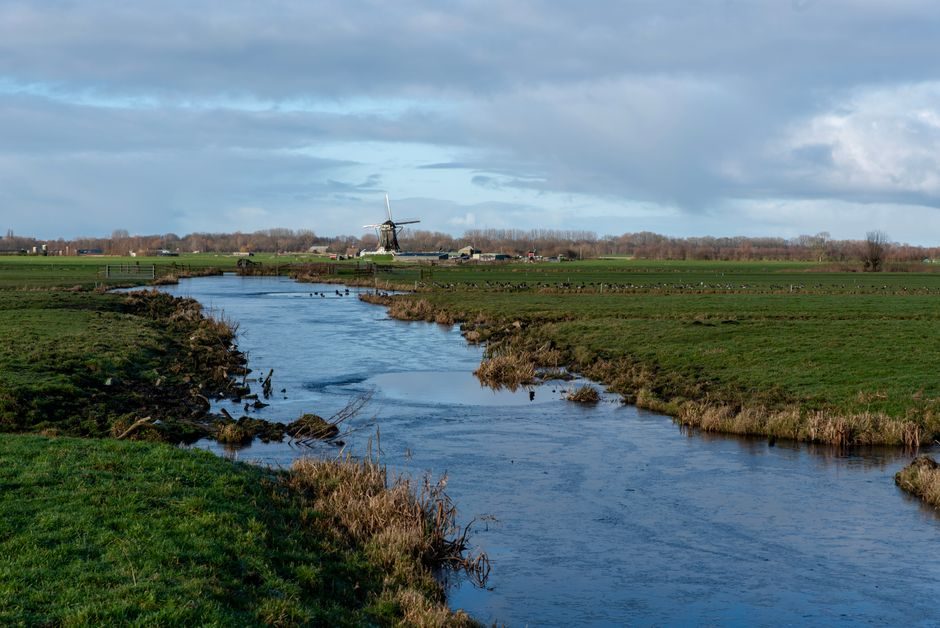
Open-channel flow pricing splits cleanly into three bands: USD 400–2,500 for passive primary elements (flumes, weirs), USD 1,800–4,500 for non-contact ultrasonic and area-velocity transmitters, and USD 8,000+ for multi-parameter SCADA-tied stations with flume + ultrasonic + RTU [S4].
Buyers comparing open-channel instruments against inline meters such as Coriolis flowmeters or electromagnetic flowmeters need to add the primary element as a separate line item, which is the single largest source of budget variance on municipal projects [S4].
Ultrasonic vs area-velocity vs primary element: cost and fit
Ultrasonic open-channel meters from Q&T Instruments and ASIT Italia target the same mid-tier slot and are specified when the channel geometry is fixed and the surface is calm enough for a level-only measurement [S2][S3].
Area-velocity units, typified by the CHEMITEC AVFM 5.0, add a Doppler velocity probe and are quoted for sites with variable backwater, submerged flow, or sediment load where level alone would under-read [S1]. In procurement terms, area-velocity instrumentation typically carries a 20–40% premium over a level-only ultrasonic flowmeter on the same channel because of the second sensor and the velocity-to-flow conversion firmware [S1][S2].
For new concrete or fiberglass channels, the primary device is often the dominant cost. A prefabricated Parshall or Palmer–Bowlus flume in stainless or FRP runs USD 1,200–2,500 for the common 1″–12″ throat sizes, and a custom-fabricated weir plate USD 400–1,200 depending on span and alloy, both of which sit upstream of the instrument cost [S4].
What actually drives the invoice: spec gates, not sticker
Process temperature window is one of the cheapest gates to clear: most open-channel instruments are rated -20 °C to +60 °C, and the CHEMITEC AVFM 5.0 datasheet explicitly brackets this range, which is why cold-climate lift stations rarely pay for extended-temperature options [S1].
Fluid compatibility is the second gate. The ASIT AI.4FPC-SS is built around an SS316 body and is listed for aggressive media, acids, fuels and high-viscosity sludge, which moves it into a different cost tier than a general-purpose water meter and explains why a wastewater plant and an oilfield runoff application do not share a price list [S3]. For chemical and oily service, a turbine flowmeter on a bypass loop is sometimes used as a check reference, but inline turbines cannot measure the open channel itself [S2].
Output and integration are the third gate. Plain 4-20 mA + pulse units stay at the bottom of the band; adding HART, Modbus TCP, or cellular telemetry for SCADA tie-in adds a single-board cost that is small in dollars but large in commissioning hours, and is usually the line item that pushes a USD 2,500 meter into the USD 4,000+ bracket [S4].
For municipal plants, stormwater, and industrial effluent — and who it is NOT for
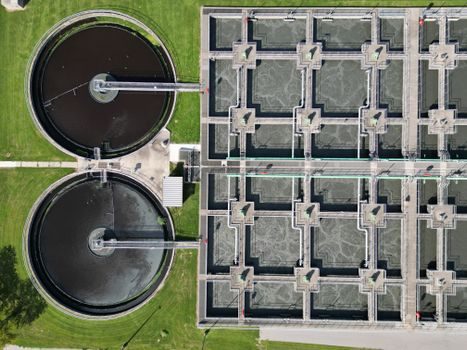
Open-channel flow measurement is the right tool for partially filled gravity flow: sewer interceptors, plant effluent channels, irrigation canals, mining sumps, and stormwater outfalls, and the DirectIndustry index lists 58 of 62 volume open-channel flowmeters as designed for liquids, with the balance aimed at gas mixing and solids handling [S4].
It is the wrong tool for full-pipe pressurized service, custody transfer of hydrocarbons, or any line where aeration, foam, or significant slope breaks will break a level-to-flow conversion. In those cases, the engineering community falls back on inline open-channel flowmeter alternatives, magnetic meters for conductive liquids, Coriolis for mass and density, and vortex for steam and aggressive gases, and the spec should be re-scoped rather than forcing an open-channel instrument into a service it cannot resolve [S1][S2].
Real use cases and what they cost in 2026
A small wastewater works replacing an aging bubbler on a 9″ Parshall flume typically specs a level-only ultrasonic head, data logger and 4-20 mA out, and lands in the USD 1,800–2,800 range once installation hardware is included [S2][S4].
A mining or oilfield site with variable backwater and grit, where level-only under-reads, switches to an area-velocity unit such as the AVFM 5.0, with the velocity probe and controller typically pricing USD 3,200–4,500 before channel works [S1].
A regional stormwater authority building a new monitoring station with prefabricated flume, ultrasonic meter, cellular RTU, and one year of telemetry service, sees USD 7,500–12,000 turnkey, and the instrument itself is only about a third of that total [S4].
Limitations, failure modes, and standards watch-outs
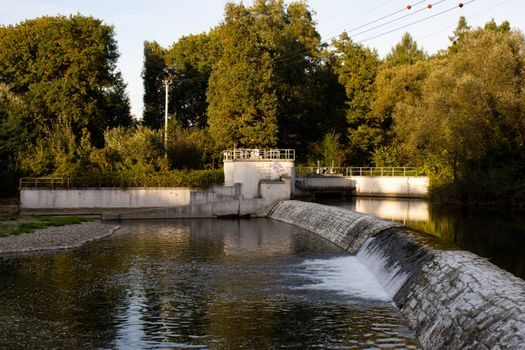
Ultrasonic open-channel meters fail in three predictable ways: foam blanking the transducer, surface turbulence from upstream disturbances giving false echoes, and temperature gradients refracting the acoustic path; specifying a stilling well or a redundant ultrasonic + radar pairing addresses the first two and is a recognized engineering practice for high-criticality outfalls [S2][S3].
Area-velocity units add a failure mode of their own: the Doppler velocity sensor requires a minimum suspended-solids concentration to reflect the signal, and on clean final effluent the velocity channel can drop out unless a reflector target is installed [S1]. Buyers should ask vendors for a minimum TSS figure, not a generic accuracy percentage, because that figure is what determines whether the meter will actually read on a given site [S1][S3].
For flume-based stations, ISO 5167 governs the differential-pressure family of meters and is often cited alongside open-channel primary devices, while flume geometry itself is standardized under ASTM D1941 and similar; the procurement document should reference the specific flume standard by number rather than a generic “calibrated channel” statement, because the calibration uncertainty is what drives the regulatory acceptance of the discharge report [S4].
Selection checklist before the quote goes out
Engineers selecting a 2026 open-channel flowmeter will typically run through four gates in this order: confirm the channel is gravity and partially filled, choose level-only or area-velocity based on whether backwater or sediment is present, lock the fluid compatibility list to the worst-case stream, and decide the telemetry stack early because 4-20 mA only versus HART or cellular changes both the controller price and the cabinet layout [S1][S2][S3][S4].
For a side-by-side reading on inline alternatives such as Coriolis vs vortex for the pressurized portion of a process train, the Coriolis flowmeter buying guide 2026 and the vortex flowmeter selection guide cover the spec gates that open-channel instruments cannot, and together the three categories cover most of the liquid-flow measurement work a process plant will issue in a typical year.
Trackable signals for the rest of 2026: the DirectIndustry open-channel category lists 62 volume units as of 2026-04-28 [S4], and the appearance of new ASIT and Q&T entries in May 2026 [S2][S3] suggests the ultrasonic mid-tier is still gaining vendors, which historically puts gentle downward pressure on the USD 1,800–4,500 band through 2026-Q4.