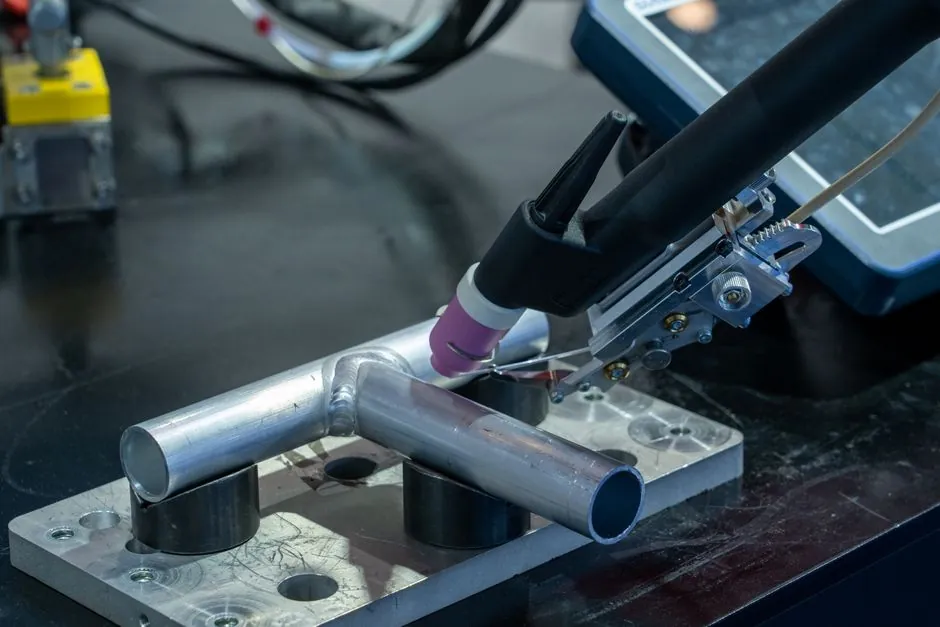
As of September 2026, the Airgas distributor catalog lists 146 cutting torch SKUs under the "Cutting Torch" apparatus type, with Victor Equipment alone accounting for 114 line items and Harris Calorific 74, giving a concrete view of how concentrated the brand mix is at industrial gas distributors in the US [S1].
Oxy-fuel cutting torches, defined as two-supply systems (fuel plus oxygen) that ignite ferrous metal via a pure-oxygen jet after kindling, remain a workhorse in steel fabrication, demolition, and shipyard repair, and the major suppliers have reorganized their line cards around acetylene, propane, propylene, natural gas, and hydrogen fuel compatibility [S3][S1].
Which brands actually control the channel
The Victor brand, now owned by ESAB, traces its history to the inventor of the modern torch-and-regulator combination, and is positioned as ESAB's flagship manual oxy-fuel and air-fuel cutting line in North America [S6]. On the Airgas category page, the manufacturer filter breaks down as Victor Equipment 114, Harris Calorific 74, Flame Tech 52, Miller Electric Manufacturing 43, ESAB 23, RADNOR 7, Koike Aronson 1, and Tweco 1, totalling 315 SKUs across the major brands carried [S1].
Harris Products Group, the other legacy pillar, markets direct through Harris Welding Supplies with complete torch kits covering regulators, torch handles, cutting capacity tables, hoses, and tips, and is independently retailed by Linde Direct and Airgas under both "Victor" and "Harris" labels [S8][S2][S1]. The 14-company shortlist published by Metoree in 2026 names Harris Products and Uniweld among the top medium-duty oxy-fuel torch suppliers, alongside ESAB, Miller, and Koike [S5].
Fuel-gas menu and why it matters for sourcing
Cutting-torch selection in 2026 is largely a fuel-gas decision, and the Airgas filter exposes the breadth of the menu: 115 SKUs marked "ALL-fuel compatible", 83 propane, 76 natural gas, 74 alternate fuels, 72 acetylene, 64 propylene, 50 methane, 39 hydrogen, 12 oxygen-only, 9 butane, 8 helium, 4 MAPP, and 3 each for air and nitrogen [S1].
Reference flame temperatures explain the spread: a propane/oxygen flame reaches about 2,526 K (2,253°C), an oxyhydrogen flame 3,073 K (2,800°C), and an oxyacetylene flame peaks near 3,773 K (3,500°C), the highest practical gas-flame temperature in routine industrial use [S3]. Shops that cut mild steel plate and want cheap bulk gas tend to standardize on propane or propylene, while acetylene remains favored for the fastest pre-heat and the cleanest cut on thin plate and for brazing-adjacent work [S3][S1].
Capacity, tip, and pressure bands that drive model choice
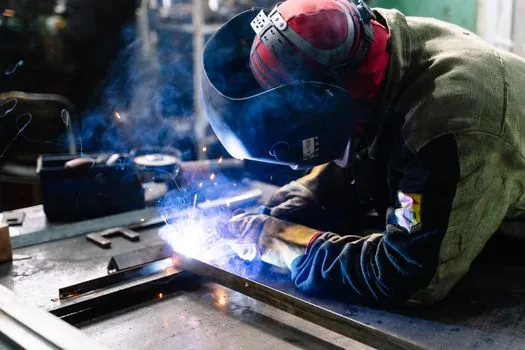
Cutting capacity on a hand torch is set by tip size and oxygen pressure, and torch sizing in 2026 still keys off published tip charts for plate thickness ranges from roughly 6 mm (light-duty tips) up to 300+ mm on heavy machine torches, with acetylene typically specified at 7-15 kPa (0.5-1.0 bar) and oxygen at 200-700 kPa (2-7 bar) depending on tip [S1][S3]. Harris kit pages group the lineup by "cutting capacity" as a primary filter, alongside regulator class and hose length, which is consistent with how procurement specs are written at the shop level [S8].
For buyers comparing against the reference set, the detailed selection rules (tip-numbering convention, acetylene vs propane pressure windows, one-piece vs two-piece torch bodies) are covered in the dedicated sizing guide Oxy-Fuel Cutting Torch Sizing; it pairs naturally with this brand map and removes the trial-and-error from first-time procurement.
Regional suppliers, kits, and where the long tail sits
North American distribution is dominated by Airgas (an Air Liquide company), Linde Direct, and Canada Welding Supply, with all three carrying the same OEM brands but different kit configurations [S1][S2][S4]. Canada Welding Supply structures its oxy-fuel submenu as Outfits, Torches and Attachments, Tips/Nozzles/Parts, Beveling and Cutting Equipment, Propane Torches, and Accessories, mirroring the segmentation that US and EU industrial buyers expect [S4].
The 2026 Metoree shortlist of 14 gas cutting torch manufacturers includes Harris, Uniweld, ESAB, Miller, and Koike, while the March 2026 qgweld.com ranking of 10 oxy-acetylene suppliers notes that "10 Cutting Torch Kits" specializes in industrial oxy-acetylene systems and supplies both Victor and Harris product lines [S5][S7]. That overlap, with the same two brands appearing on every shortlist, is the strongest single signal that new entrants are not displacing the incumbents at the channel level in 2026.
Selection gates a buyer should write into the RFQ
A workable 2026 oxy-fuel torch RFQ locks down six gates: (1) fuel gas (acetylene / propane / propylene / natural gas / hydrogen), (2) maximum plate thickness at the available oxygen supply pressure, (3) tip standard (100-series one-piece vs seat-tube consumables), (4) torch handle and cutting attachment brand match for existing fleet, (5) regulator inlet standard (CGA 540 oxygen, CGA 300 acetylene, POL or Type 1 for propane), and (6) compliance with the relevant gas-equipment standard (ANSI Z49.1 for safety, CGA E-1 for cylinders) [S1][S3][S8].
Distinguishing a real oxy-fuel torch from a single-tank air-fuel torch is straightforward and is built into the Wikipedia process definition: oxy-fuel requires two isolated supplies (fuel plus oxygen) because the cutting stream uses pure oxygen to oxidize the kerf, while single-tank torches mix fuel with atmospheric air and cannot reach the kindling temperature of steel [S3].
What to track next
Two signals worth watching into late 2026: any ESAB-Victor distributor price-list revision that bundles machine-torch torch bodies (for CNC oxy-fuel pipe profilers) with hand-torch SKUs, and any Harris Products Group announcement on hydrogen-fuel torch kits, since hydrogen already shows up as 39 SKUs in the Airgas filter and is the only fuel gas on the list whose industrial cut capacity is still expanding [S1][S6][S3].
Spec-level background on the components involved: oxy fuel cutter, cutting machine, and riser cutting machine.