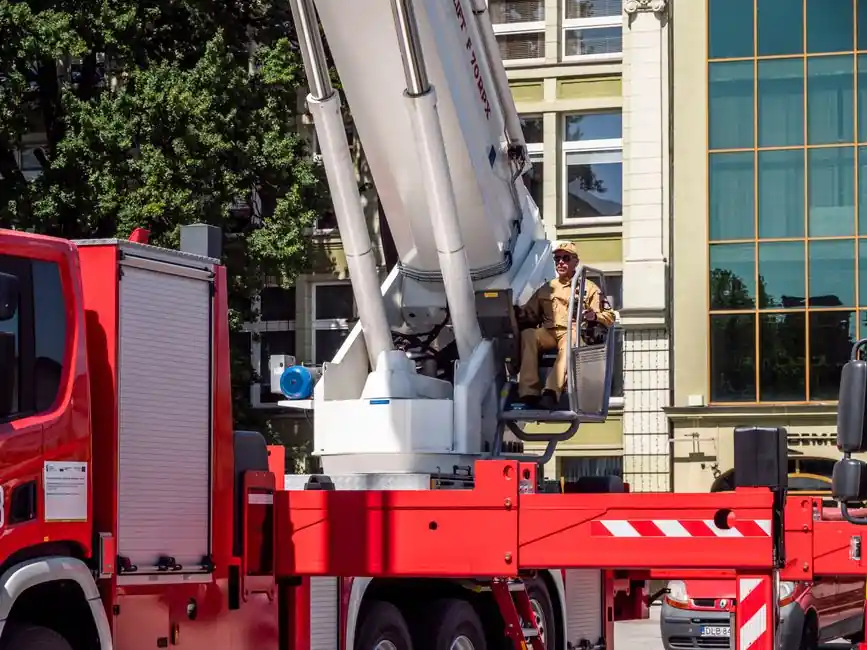
Aerial work truck platform capacity is a function of two coupled variables, not a single spec: rated lift at a short radius versus residual lift at full horizontal extension, with both numbers published on the OEM load chart for the specific boom configuration [S5].
Misreading those two numbers is the most common procurement error on boom trucks and bucket trucks, because a chassis can be specified for 36,000 lb of crane capacity while the platform at full stick-out is limited to a 300-500 lb worker-plus-tools load per ANSI A92.2 [S4][S1].
How Capacity and Extension Interact on a Truck-Mounted Boom
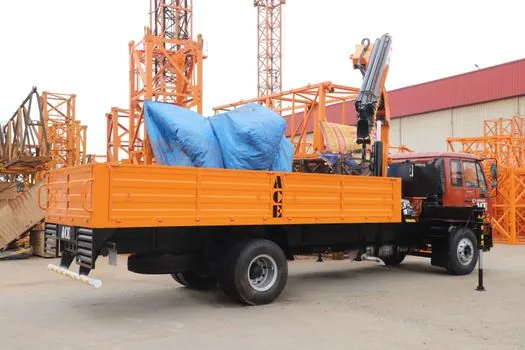
Elliott's 10-18 ton boom truck line shows the geometry: the 1881TM posts 36,000 lb (16,329 kg) lift with a 81 ft (24.7 m) boom, while the 1560F posts 30,000 lb (13,608 kg) lift with a shorter 60 ft (18.3 m) boom and 90 ft (27.4 m) tip height [S4]. Lifting capacity and boom length are decoupled parameters, and so is the platform capacity at the bucket, which is governed separately by the aerial device rating.
Bucket truck height tiers cluster under 50 ft, 50-59 ft, and over 60 ft, with horizontal reach on telescopic stick booms exceeding articulating knuckle booms in tight side-access scenarios [S3]. On a true boom truck used as a crane, the boom length and the radius to the load are what drive the residual capacity curve, and that curve is steep: a 30-ton rating at a 10 ft radius can collapse to roughly one-quarter of that at 60 ft of radius because the moment arm multiplies the load [S5].
Decision Matrix: Boom Type vs Work Envelope
Choosing between telescopic, articulating, and overcenter bucket booms is really a trade between maximum height, maximum side reach, and tail swing clearance. Telescopic bucket trucks (squirt or stick booms) give the greatest horizontal reach of any bucket configuration and are the right pick for limited-access areas where the truck cannot be repositioned often [S3]. Articulating-telescopic units such as the Terex LT40 or Versalift VST-7500-E108 add a knuckle for side reach at height while cutting tail swing on the opposite side, which reduces repositioning cycles on dense utility work [S3].
For pure height on construction sites, self-propelled telescopic boom lifts reach up to 100 ft and articulating boom lifts reach up to 180 ft, but they are a different machine class from a truck-mounted bucket and require trailer transport between sites [S6][S1]. Where the bucket truck wins is roadability: it drives to the site under its own power at highway speed, sets outriggers, and is operational in minutes, whereas a mobile crane in the same capacity bracket needs flatbed transport and a wider outrigger spread [S5].
Load Chart Reading: Where the Numbers Actually Split
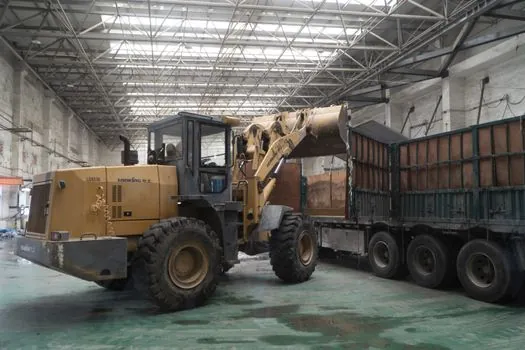
The single most important document on any boom truck is the OEM load chart, which lists permissible load at each boom length and radius combination. A boom truck rated 30 tons at a 10 ft radius retains only a small fraction of that capacity at a 60 ft radius, while a mobile crane at the same 30-ton short-radius rating retains far more of its capacity at long radius because of heavier counterweight and a wider outrigger base [S5].
Practical crossover: boom trucks cover roughly 10-40 tons of capacity with 60-130 ft of boom, mobile cranes cover 30-300+ tons with booms beyond 200 ft plus jib extensions, and high-reach self-propelled boom lifts extend the personnel envelope to 180 ft+ for work where the chassis does not need to be highway-legal between lifts [S5][S1]. For aerial work platforms specifically, the platform load is constrained by the bucket or platform rating (worker plus tools, typically 250-500 lb per ANSI A92.2 categories), which is independent of the crane's structural lift rating on the same chassis [S3][S1].
Use-Case Recommendations by Required Envelope
For utility line work and forestry side-of-truck reach, specify an overcenter articulating-telescopic bucket truck in the 50-60 ft platform height tier, with the bucket rating stated explicitly on the data plate rather than inferred from the crane's chart [S3]. For highway-speed mobilization on jobs requiring only a few picks at modest radius, a 10-18 ton boom truck with 60-81 ft of boom covers the majority of residential and light commercial lifts including roof trusses, residential steel beams, HVAC units, and hot tubs [S4][S5].
For tall-structure construction and industrial maintenance where reach exceeds what a roadable truck can offer, rent a self-propelled telescopic or articulating boom lift (up to 100 ft and 180 ft respectively) and accept the trailer transport cost; for heavy commercial lifts above 30-40 tons or radii above what a boom truck's chart will cover, step up to a mobile crane rather than over-reach the boom truck [S1][S5][S6]. Always cross-check the planned working radius against the published load chart before committing the chassis, because the same boom can lose three-quarters of its nameplate capacity once the stick is extended [S5].
Sourcing, Standards, and Common Pitfalls
Operator compliance is non-negotiable across both classes: OSHA requires certified operators and ANSI A92 compliance for any aerial lift, including truck-mounted buckets and self-propelled boom lifts [S1]. Procurement should start with the platform height tier you actually need, the maximum horizontal reach at platform load, the rated working height with outriggers fully deployed, and the chassis payload after the boom package is mounted, with each value pulled from the OEM data sheet rather than marketing literature [S8].
The structural and cost split between chassis and boom package is large enough to swing total acquisition cost materially, and the 2026 market shows OEMs such as Terex, Versalift, and Altec pushing fuel-conserving hydraulic systems and improved operator controls as standard differentiators [S3]. Related reading on this site breaks down that chassis-vs-boom cost split and the full-power vs pinned telescoping boom choice, both of which feed directly into the load-chart behavior covered here.
Trackable signals to watch over the next sourcing cycle: ANSI A92.22 / A92.24 updates affecting platform load definitions, and OEM publication of revised load charts for higher-reach telescopic bucket booms now exceeding 60 ft of platform height with side reach beyond 40 ft [S3][S1].