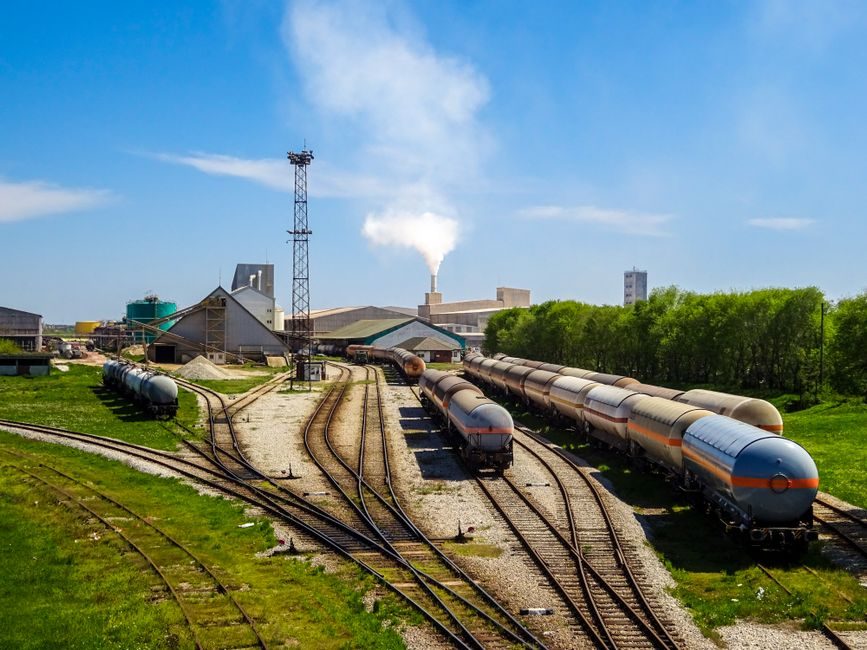
Vacuum pneumatic conveyors are the default starting point for packaging-line retrofits, primarily because vacuum systems are the most common pneumatic configuration in packaging operations and they contain dust at the pickup point rather than letting it leak downstream ([S3] Compressed Air Best Practices).
The decision is not "vacuum or pressure" first — it is material properties, target throughput, and the routing that already exists on site. CED Engineering's design notes put the retrofit problem bluntly: expansion/retrofit projects must handle increased capacities in tons per hour with the minimum possible increase in conveying air volume and line pressure (CED Engineering).
Vacuum vs pressure: where each mode actually wins
Pressure-vs-vacuum selection follows a clear rule of thumb in the Palamatic Process engineering note: pressure systems move heavy materials over long distances, while vacuum systems are typically specified for shorter, clean runs where dust containment and pickup-point ergonomics matter (Palamatic Process). [S1]
For most packaging retrofits the run is short (often under 50 m), the product is light, and dust is the dominant safety and hygiene concern. That profile falls inside the vacuum-conveyor envelope, where multiple pickup points, multiple delivery points, and complex routing including vertical and horizontal runs, long transport distances, and multiple turns are easier to integrate than with a single pressure source ([S6] Jenike & Johanson).
Dilute phase vs dense phase for retrofit tonnage
The AIChE CEP selection flowchart is unambiguous on the crossover: "having a transport system requirement exceeding either 50 t/hr (~45 m.t./hr) or 1,500 ft (~460 m) will generally guide you toward a mechanical conveying system, such as a belt or screw conveyor" (AIChE CEP, 2022). That quote is the first cut at any retrofit above 50 t/hr — pneumatic is not the right tool once that threshold is crossed because pneumatic systems carry the highest specific energy consumption of the conveying options. [S2]
Inside the pneumatic envelope, dense phase moves the same tonnage at lower velocity and lower degradation — useful for granular products, flakes, and pellets — while dilute phase stays the cheaper, simpler choice for non-fragile powders at moderate rates. Coperion's product literature treats dense-phase as the engineered solution for difficult materials and large capacities, with dilute-phase for routine bulk transfer (Coperion).
Air-film conveying inside the packaging building
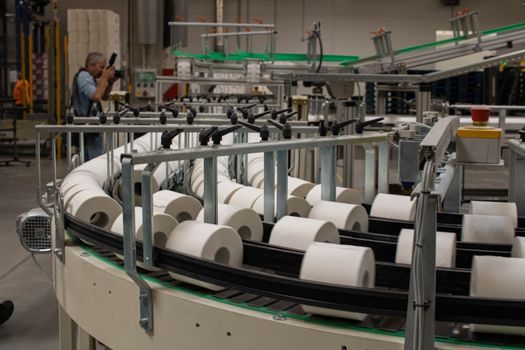
For empty-container handling — cans, boxes, plastic containers — the air-film (or air-cushion) conveyor is the standard retro-fit choice. PDH Online's design course is explicit: "air film conveying usually requires fan static pressures of no more than 8" WG" and the system typically uses several smaller fans rather than one large fan, with backwardly inclined and radial-bladed fan designs both acceptable because the air stream is clean ([S1] PDH Online).
That cap on static pressure matters in retrofits: existing building HVAC and electrical rooms often have spare capacity for distributed small fans but not for a single large blower, so air-film is usually the lowest-disruption option when adding or extending a packaging-lane transfer.
Throughput, line pressure, and where instrumentation belongs
The retrofitter's lever on existing infrastructure is line pressure, and a dilute-phase vacuum line for a packaging application will typically run well below 8" WG, with the conveying-air volume sized off the target tonnage. Throughput is specified in tons per hour, the design loop is material bulk density × velocity × pipe area, and the result is then checked against degradation limits for the product (CED Engineering). [S3]
Two instrument points are non-negotiable on any pneumatic retro-fit: a pressure transmitter on the conveying line just upstream of the receiver, and a flow meter on the conveying-air supply. The pressure reading detects filter loading, line leaks, and product bridging; the flow reading detects air-side starvation before it shows up as a low-rate alarm at the packer. Diverter and isolation industrial valves feed the PLC sequencing that ties the conveyor into the packaging machine's index — most retrofit headaches show up as sequencing faults, not as conveying faults.
Product quality: why containment is the real selection driver
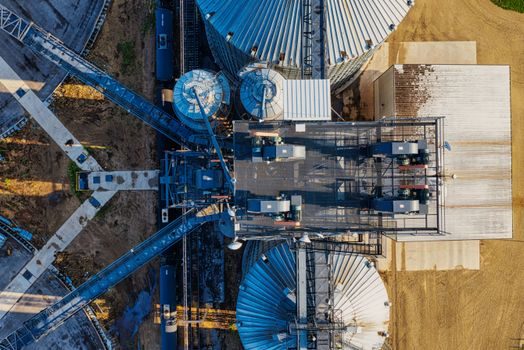
A VAC-U-MAX case study documents that a vacuum conveying retrofit for a tea manufacturer reduced 70–80 percent of tea dust, improving quality and reducing housekeeping ([S5] VAC-U-MAX). That figure is the single best field justification a packaging engineer can put in front of a quality group: it is measurable carryover reduction, not a generic "cleaner" claim.
J-Tec's engineering brief lists the four variables that decide product outcome — correct air-to-product ratio, correct conveying velocity, correct pickup geometry, and correct filter/separator sizing — and warns that getting the air-to-product ratio wrong will either pulverize friable material or plug the line on cohesive powders ([S4] J-Tec).
What goes wrong, and how retrofits typically fail
Jenike & Johanson's troubleshooting note groups the recurring retro-fit failures into five patterns: incorrect air-volume sizing for the actual conveyed material, line routing that adds bends the original spec did not account for, filter/separator under-sizing that drives the system into a low-rate alarm state, erosive wear at elbows from high-velocity dilute phase on abrasive products, and product degradation in fragile flakes or granules that the original spec assumed were robust ([S6] Jenike & Johanson).
The capital-cost case for pneumatic over mechanical is real — fewer moving parts, lower maintenance, easier integration of multiple feed and delivery points, and the ability to use existing pipe racks — but those savings disappear if the air-supply side is undersized or if the routing adds unaccounted bends ([S6] Jenike & Johanson).
Decision rules a packaging engineer can write down
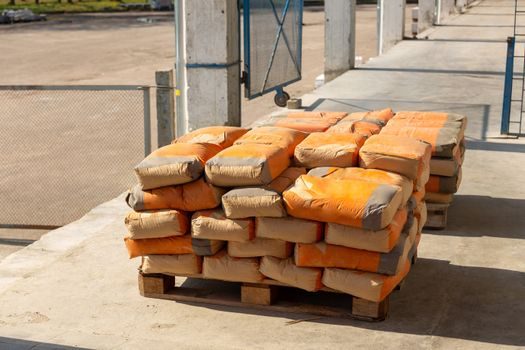
For a packaging-line retrofit, the working selection rule set compares the main options against the same four decision criteria — material, throughput, distance, and dust sensitivity. Vacuum: short runs, multi-pickup, dust-sensitive. Pressure: long runs, single pickup, heavy/dense product. Dilute phase: non-fragile powder, moderate rate, lower capex. Dense phase: fragile, abrasive, or large-tonnage granular. Air-film: empty-container transfer, ≤8" WG, distributed fans. Mechanical (belt/screw): above 50 t/hr or 460 m (AIChE CEP, 2022). [S4]
On top of the mode choice, instrument the line with a pressure transmitter and a flow meter before commissioning, and tie the conveyor's industrial valve sequencing into the packaging PLC so that a packer stop also stops the conveyor. Trackable signals to watch over the next retrofit cycle: hazardous-area zone re-assessment when adding powder pickup points inside a packaging hall, the migration toward Ethernet-APL instrumentation on conveying lines (one cable carries the 4-20 mA pressure signal and the diagnostic data), and the steady drift of dense-phase systems into food-grade packaging as carryover targets tighten.