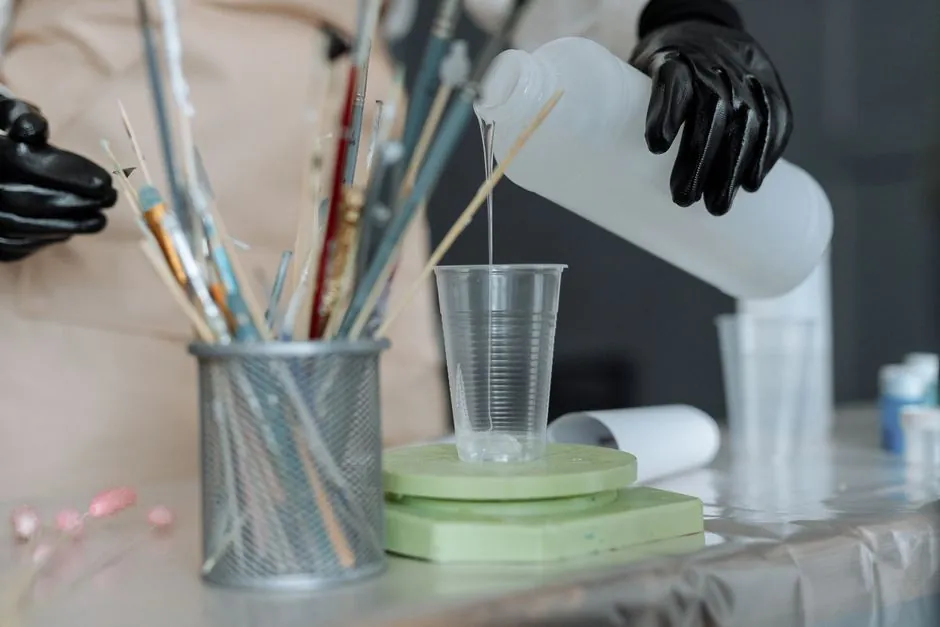
Polysiloxane topcoats generally hold gloss longer in exterior UV exposure, but polyurethane delivered 85–93% gloss retention in one marine comparison [S5].
The choice depends on exposure, substrate, coating system and maintenance cycle: polysiloxane favors weathering and appearance, while polyurethane favors impact, abrasion and flexibility [S3].
What Gloss Retention Depends on
Gloss retention is the ability of a cured topcoat to preserve its surface appearance under weathering, including UV radiation, moisture, chalking, fading and gloss loss [S2]. It is not a standalone measure of coating life, because corrosion protection, adhesion, impact resistance, flexibility, chemical resistance and appearance can change on different schedules.
Polysiloxane and polyurethane are both used as high-performance organic topcoats where color and gloss retention matter [S1]. Polysiloxane coatings use siloxane-based chemistry to provide strong UV and weather resistance, while polyurethane coatings are recognized for abrasion resistance and flexibility [S2][S3].
Polysiloxane topcoats can function as the finish layer in a three-coat system or as a high-build finish over a zinc-rich primer [S6]. That system position matters because topcoat behavior is influenced by the underlying primer, intermediate coat, surface preparation and total film build, not by resin chemistry alone.
Polysiloxane and Polyurethane Compared
For an exposed steel asset, the central comparison is polysiloxane against polyurethane across four criteria: UV resistance, mechanical wear, application complexity and life-cycle cost. The following comparison uses the application and performance characteristics identified in published technical and testing material [S3][S5].
Polysiloxane is the stronger default for sustained exterior gloss. Polyurethane is not automatically inferior: it can be the better choice where abrasion, impact, flexibility or lower initial cost outweigh long-term color retention.
Measured Gloss and Marine Exposure
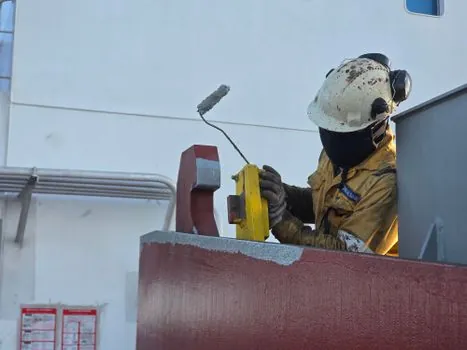
A Cal Poly comparison tested Interthane 990HS and Amercoat 450H polyurethane topcoats against Ameron PSX 700 and Interfine 878 polysiloxane topcoats on glass-bead-blasted carbon steel panels. The polyurethane systems achieved 93% and 85% gloss retention, respectively [S5].
The same study subjected panels to 1,200 hours of salt fog under ASTM B0117-11 and 1,650 hours of UV and humidity exposure under ASTM D4587-11. Additional panels remained at the Cal Poly pier for more than 3 months, and impact resistance was assessed under ASTM D2794-93R10 [S5].
The polyurethane systems outperformed their polysiloxane counterparts in the salt-fog comparison, and the measured gloss-retention figures show that polyurethane can retain substantial gloss under a defined test protocol [S5]. This result does not reverse the broader material distinction: polysiloxane has a stronger UV-weathering profile, while polyurethane showed stronger salt-fog and impact performance in this particular experiment [S3][S5].
Where Polyurethane Remains the Better Choice
Polyurethane topcoats are suited to industrial and high-traffic environments because they combine abrasion resistance with flexibility and can withstand mechanical wear [S3]. These properties matter on stairways, walkways, railings, vehicle-contact areas, equipment and structures exposed to impact rather than uninterrupted sunlight.
The marine comparison recorded impact-test failure thresholds of 31 in-lb for Interthane 990HS, 33 in-lb for Amercoat 450H, 63 in-lb for Ameron PSX 700 and 41 in-lb for Interfine 878/879 [S5]. Those results are product- and test-specific, not universal class limits, but they show why gloss ranking alone cannot select a topcoat system.
Polyurethane can be appropriate for interior assets, sheltered structures or applications where a 2K system's application infrastructure and mechanical properties are decisive. Its known UV sensitivity still requires exposure-specific qualification, particularly for coastal, elevated, solar or tropical service [S3].
Application, Safety and System Constraints
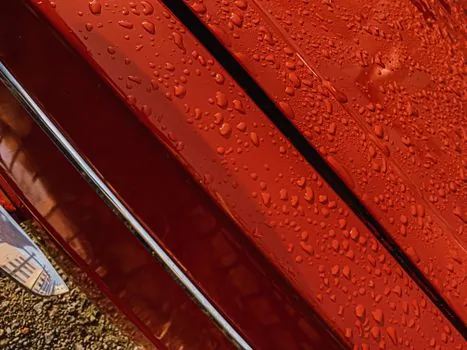
Surface preparation, compatible primers, mixing ratios, spray equipment, film thickness and cure conditions must be verified against the coating system data sheet.
One-component polysiloxane topcoats can eliminate the component-metering and mixing step used with 2K polyurethane systems. The Naval Research Laboratory's aircraft evaluation used a 1K organosiloxane-polymer topcoat on F/A-18, UH-1Y and AH-1Z aircraft, with a 1-to-2-year evaluation period planned [S4].
The 1K polysiloxane aircraft topcoat was developed without harmful isocyanates or other hazardous air polluting chemicals. It also had to preserve flexibility for aluminum aircraft skin at high-altitude cold temperatures and retain camouflage appearance for longer periods [S4]. Those constraints make polysiloxane selection more than a gloss decision.
Specifying and Qualifying the Finish
For a defensible specification, request comparative test data under the intended exposure rather than accepting a general claim of superior gloss retention. Include the substrate, primer, intermediate coat, topcoat thickness, surface preparation, accelerated weathering hours, gloss standard, color change, chalking, corrosion rating and adhesion criteria. [S2]
The 1,200-hour salt-fog, 1,650-hour UV-humidity, impact and 3-month marine-exposure sequence used in the Cal Poly study provides a useful example of a qualification plan, including named ASTM test methods [S5]. For field verification, record initial gloss readings and repeat them at agreed intervals so retention can be calculated rather than judged from photographs.
The primer, intermediate coat and finish coat each perform a distinct function, and the compatibility of primer, intermediate coat and topcoat functions must be established before color or gloss targets are finalized. Water-tank experience also supports site-specific evaluation: a polysiloxane water-system case showed no visible abnormalities after months of service, with residues removed using water and light rubbing [S2].
For exposed architectural or infrastructure steel, specify polysiloxane when long-term appearance, reduced exterior maintenance and UV stability dominate. Retain polyurethane where impact, abrasion, flexibility or easier application dominate, then validate gloss under the actual UV, moisture and chemical exposure. Track post-installation gloss, chalking and adhesion at inspection intervals, because these are the measurable signals that separate a chemistry preference from demonstrated service performance [S2][S5].