
In a coal- or gas-fired power plant, a portable gas detector is mandatory gear for confined-space entry, leak surveying around SCR ammonia skids, and pre-fire screening in coal bunkers [S2].
Fixed-point monitors cover continuous duty, but every worker entering a CEM shelter, generator hydrogen cooler, or natural-gas metering train still needs a personal instrument bump-tested before shift [S2][S4].
Hazard Map: Goses a Portable Detector Must Cover
Power plants generate a wider gas list than refineries: NH3 around SCR catalysts for NOx reduction, H2 in generator hydrogen coolers and battery rooms, CO from boiler casing leaks and smoldering Powder River Basin coal, CH4 in coal bunkers and gas-fired turbine enclosures, O2 depletion in CEM shelters, and hydrazine in supercritical feedwater treatment [S2].
Source documents list at least eight distinct hazard gases plus optical flame detection, which is why a single-sensor combustible sniffer is insufficient for plant-wide use; a 4-gas personal monitor covering CO, H2S, O2, and combustible LEL is the typical minimum, with NH3 and H2 added for specific tasks [S2][S4]. A reviewer breakdown distinguishes four detector formats that map cleanly onto these tasks: belt-worn personal %LEL units, explosimeters with pumps for tank and silo entry, ppm-range gooseneck semiconductor probes for pinpoint leak location, and 4-gas monitors that bundle the standard confined-space quartet [S4].
Sensor and Scale Comparison: %LEL vs ppm vs Multi-Gas
Combustible instruments on the market use different measuring scales, and the wrong scale fails silently at the wrong concentration: %LEL units (commonly using catalytic bead sensors for explosive gas monitoring) versus ppm-range probes, requiring users to match the correct unit to the application [S4]. model GD1000-KP816 at 3.7 V / 1700 mAh Li-ion), and 4-gas confined-space monitors (LEL + O2 + CO + H2S) [S4][S5].
The semiconductor gooseneck format is a leak locator, not a safety alarm, because it is most sensitive to small ppm-level methane and LPG traces rather than the 10-25% LEL alarm thresholds that personal safety requires [S4][S5]. For power-plant workers this means matching the instrument to the task: ppm probes for surveying a gas train, catalytic-bead %LEL for personal protection inside a battery room, and a pumped 4-gas for any permit-required confined space [S4]. Semiconductor diffusion detectors such as the GD1000-KP816 use natural diffusion sampling rather than a draw pump, so response time in still air inside a coal bunker or silo will lag a pumped explosimeter, a practical limit to flag on the spec sheet [S5].
Form-Factor Decision Matrix

Comparing the three common portable formats against four decision criteria clarifies which to specify for each plant task. [S2]
Format vs criteria: (1) Gooseneck semiconductor ppm probe, 0-10000 ppm, natural diffusion, ~$22-140 retail, best for leak pinpointing around gas trains and HVAC headers, weak for personal safety because output is ppm rather than %LEL [S3][S5]. Catalytic-bead %LEL explosimeter with pump, used as a portable gas monitor for confined space entry, the standard application for portable instruments in plant settings [S2][S4]. (3) Belt-worn 4-gas personal monitor, EX (LEL) + O2 + CO + H2S, mandatory for confined-space permits, bump-tested before each use, with battery and sensor management overhead that pushes total ownership cost above fixed-point systems in some applications [S2][S4]. (4) Multi-gas portable up to 7 sensors (GfG class), used when the same worker must cover NH3 or CO2 in addition to the standard quartet without swapping instruments [S6].
Calibration, Bump Test, and Ownership Overhead
Portable gas monitors must be operationally verified prior to each use, with battery charging, calibration gas, bump testing, and record-keeping factored in; one plant-scale comparison puts that ongoing cost above a fixed-point detector in many continuous-monitoring applications [S2].
Sensidyne's published guidance notes that fixed-point systems carry a three to six month maintenance interval, while portable monitors face daily bump tests, and a fully-burdened portable fleet can be a poor substitute for fixed monitoring of compliance areas such as ammonia storage or CEM shelters [S2]. For a multi-unit plant, a hybrid spec is the realistic answer: fixed ammonia and oxygen monitors where workers are absent, portable 4-gas monitors carried by every entrant, and ppm-range gooseneck probes staged at the gas-train tool crib for leak surveys [S2]. Detector families such as the Panther from Ion Science add helium, hydrogen, and refrigerant sensitivity for specialized surveys like generator hydrogen cooler leak-hunting, which a standard 4-gas will not detect [S7].
Typical Use Cases Inside a Generating Station
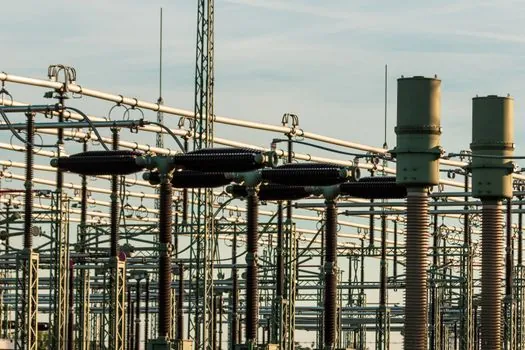
Four named plant tasks drive the portable-detector purchase list: confined-space entry (4-gas with pump), natural-gas train survey (ppm gooseneck or pumped explosimeter), coal-bunker and tipper-room pre-fire screening (CO plus CH4 ppm), and battery-room or generator-hydrogen work (H2 plus O2) [S2].
For the everyday maintenance walk-around in a gas-fired plant, a portable combustible gas leak detector with 0-10000 ppm range and natural diffusion is the practical pocket instrument, and a 17-inch gooseneck format (as on consumer-grade units like the TOPTES PT520A) gets the sensor into cabinet seams without disassembly [S1][S3][S5]. Where the same employee must also flag ammonia slip from an SCR skid or hydrazine carryover from feedwater, the 7-gas class of portable is the only single-instrument answer, and it should be specified with explicit NH3 and N2H4 sensor channels rather than assumed [S6][S2].
Limitations and Failure Modes
Sensor poisoning is the silent failure mode in coal plants: catalytic-bead combustible sensors are degraded by silicone compounds, lead, and sulfur, so a detector calibrated in a clean tool room can under-read inside a turbine hall until bump-tested with field gas [S4].
Semiconductor ppm sensors, used in the gooseneck leak detectors that dominate consumer and light-industrial sales, cross-react with humidity, alcohol vapors, and cleaning solvents, and they do not provide the absolute %LEL reading a safety officer needs for hot-work permits [S4][S5]. The four-gas monitor's most common blind spot in a power plant is the absence of an NH3 or H2 channel; relying on a CO+H2S+O2+LEL unit inside an ammonia vaporizer room leaves the actual hazard unmeasured, and that gap is documented in plant-application guidance rather than corrected by the instrument's alarm thresholds [S2].
Standards and Sourcing Anchors

Plant-grade portable instruments are typically FM performance-certified and hazardous-area approved for coal dust plus the specific gas families present, per Sensidyne's published power-plant application note [S2].
Industry best practice requires calibration, bump testing, and regular maintenance to keep any combustible gas detector within its published accuracy, and a documented bump test before each shift is the operational baseline [S4]. For engineering reference and broader specification context, the combustible gas detector encyclopedia entry covers the sensing principles behind the units compared here, while the multi-gas detector page documents the 4-gas and 7-gas formats and the portable gas detector entry compiles form-factor, battery, and sensor-life data. Plant selection that touches adjacent material decisions, such as specifying elastomers and seals in hydrogen service, can be cross-referenced against POM selection for energy equipment for material compatibility around the same environment.
