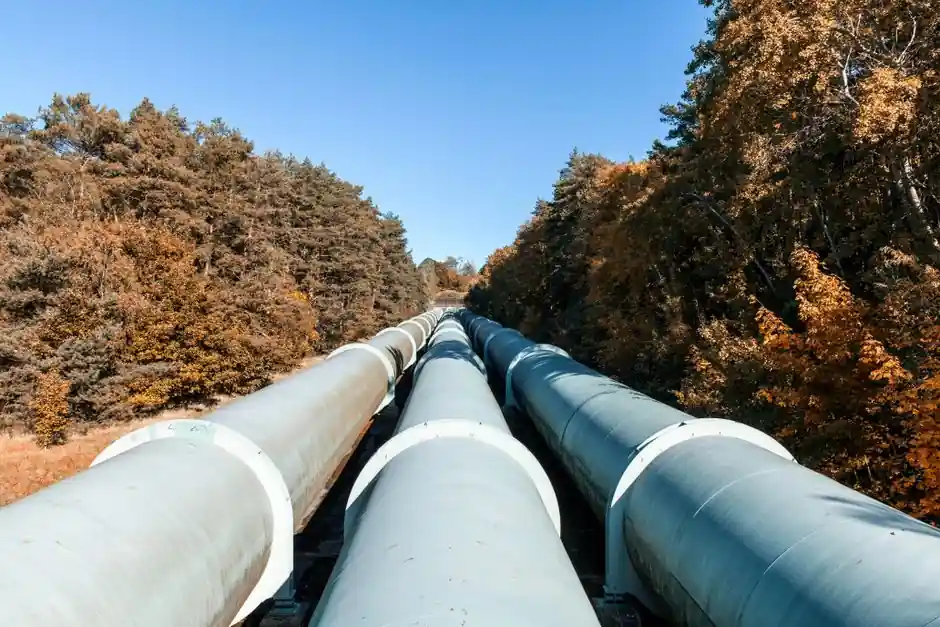
The Phase I research plan proposed surveying industry for a wide spectrum of typical pipeline welds, using Gleeble to simulate HAZ microstructures, and systematically studying standard and exploratory approaches to determine weld and HAZ performance for hydrogen pipelines [S1].
For procurement, the defensible unit is the documented pipe heat, weld procedure, filler metal, microstructure, hardness and hydrogen test result, not a generic X52, X70 or reuse declaration [S1][S6].
Qualification Scope: Base Metal, Weld and HAZ
NIST formed an industry and subject-matter expert committee, reviewed pipeline-weld codes and 49 CFR Part 192 material requirements, then developed a three-part research plan covering typical industry welds, simulated heat-affected-zone microstructures, and standard and exploratory filler materials [S1].
The qualification boundary therefore extends beyond the parent metal. Charpy impact testing, fracture-toughness testing in air and hydrogen, hydrogen and methane blends, hardness mapping and microstructure characterization were planned for welds and heat-affected zones over a broad material range [S1].
That scope matters because the weld can become the controlling location in an otherwise acceptable pipe. A low-strength base-metal certificate does not establish resistance to hydrogen-assisted cracking in a multipass weld, its fusion boundary or its heat-affected zone.
Pressure and Material Selection Criteria
The project targeted transmission capital cost of $490,000 per mile and hydrogen delivery below $1.00 per gigajoule equivalent as 2017 technical targets, with reliability metrics still to be determined [S2].
Steel grade is only the first screen. Within a grade, microstructural variability, banding, inclusions, manufacturing route, moisture or corrosion condition, residual stress and local microstructure can alter hydrogen transport and cracking behavior [S2]. The project explicitly questioned whether common X70 microstructures and alternative microstructures were suitable for high-pressure dry gaseous hydrogen [S2].
For new supply, require the manufacturer to identify the applicable pipeline specification, grade, wall thickness, manufacturing route, heat number, yield and tensile properties, and the full weld qualification record. For repurposing, require asset-specific evidence covering the actual pressure and environmental conditions, including a hardness criterion of approximately 22 HRC maximum as stated in hydrogen pipeline guidance [S4][S6].
Welded Pipe Versus Seamless and Existing Assets
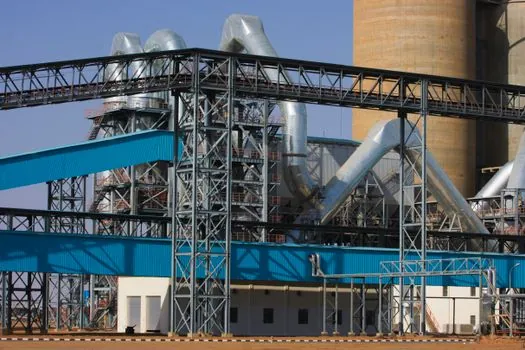
Welded pipe requires qualification of the weld, filler metal and heat-affected zone in addition to the parent steel. The comparison is not simply welded versus seamless: pipe, grade, diameter, wall thickness, welding process, heat, environment and documentation must remain aligned across the options. [S5]
ASME B31.12 Part PL provides requirements for hydrogen pipeline components, design, installation and testing [S7]. Its inclusion in the project record does not mean that compliance alone proves resistance to hydrogen embrittlement for every steel, weld or operating condition.
Hardness and Crack-Growth Acceptance
Hydrogen transportation pipeline guidance places an approximate maximum hardness of 22 HRC, equivalent to 250 on the stated secondary scale, on steels used in hydrogen pipeline service [S4]. Procurement inspection should record the measurement location, scale, instrument and weld-zone coverage rather than accepting an unqualified supplier statement.
Published standards-and-codes work states that steel may be qualified up to its ultimate tensile strength if measured crack growth does not exceed 0.25 mm, or if crack growth exceeds 0.25 mm and the defined arrest criterion is satisfied [S3][S8]. The acceptance document, test environment, load condition and applicability of that crack-growth criterion must accompany the certificate.
Hardness is a screening control, not a complete fracture assessment. It does not by itself characterize weld residual stress, microstructural sensitivity, crack initiation, stable crack extension or unstable fracture under a pressurized hydrogen condition.
Tests Needed for Procurement Evidence

This provides a practical evidence checklist rather than a generic certificate checklist.
Request Charpy impact results, fracture-toughness results in air and gaseous hydrogen, fatigue-crack-growth data where fatigue is a design case, hardness mapping, microstructure characterization and documentation for each heat, weld and heat-affected zone [S1]. Where the system can carry hydrogen mixed with methane, include the relevant blend environment rather than relying only on pure-hydrogen results [S1].
ASME B31.12 Part PL addresses component, design, installation and testing requirements for hydrogen pipelines [S7]. The procurement file should map that code requirement to the applicable test reports, inspection records and manufacturer quality documents, with 49 CFR Part 192 material limits retained as a separate regulatory check where the pipeline falls within that framework [S1].
Who Needs Full Qualification and Who Does Not
Full material and weld qualification is warranted for high-pressure, high-consequence or newly designed hydrogen transmission assets, especially where operating temperature, cyclic pressure, moisture, impurities or gas blending differ from qualification conditions. The 800, 1,600 and 3,000 psi test levels in the DOE program show why a single pressure point cannot support broad extrapolation [S2].
Asset reuse should be evaluated separately from new procurement. The governing decision is whether a specific documented asset satisfies the proposed service, rather than whether steel of its nominal grade is generally considered suitable for hydrogen [S6]. Prior natural-gas service, absent material history and hydrogen-specific evidence, does not establish fitness.
Coating or barrier technology does not remove the need for base qualification. In the DOE materials program, work on barrier coatings was placed on hold, and the effectiveness of metallic and non-metallic coatings at high pressure had not been established [S2].
Supply Chain Controls and Failure Modes
The first supply failure mode is grade substitution. The second is loss of heat-to-product traceability, followed by unqualified filler substitution, incomplete weld maps, inadequate NDE coverage, testing at irrelevant pressure or temperature, and unsupported reuse of pipes with unknown service history. Each failure can invalidate an otherwise complete data package. [S1]
Commercial supply should be controlled through a dedicated hydrogen package that includes the purchase specification, code matrix, approved manufacturer and mill, heat and weld identifiers, traceability, inspection and test plan, nonconformance process, documentation language and deviation authority. Sampling without a defined relationship between tested specimens and delivered pipe creates a weak link because weld position, HAZ location and microstructure vary within the product [S1][S2].
Transport and storage also belong to quality control. Damage, contamination, coating loss, wet storage and handling marks must be recorded because the delivered condition can differ from the qualified production state. Reinspection after transit is useful only when its scope addresses the qualification risks rather than merely checking surface appearance.
What a Complete Steel Package Should Contain
A complete package should connect every supplied length to its manufacturing route, parent-metal heat, wall thickness, weld map, filler lot, welding procedure, NDE results, dimensional records and applicable mechanical or hydrogen-specific tests. It should also identify the code and standard relied upon for each acceptance decision [S1][S7].
The evidence set should distinguish three claims: parent-metal conformity, weld and HAZ conformity, and fitness for the specified hydrogen service. A pipe can satisfy the first two and still require project-specific fracture assessment for pressure, temperature, gas composition, impurities and loading history.
For high-volume supply, qualification should use a repeatable approval process with defined sample locations, retained specimens, retest rules and change control. Any change in steelmaking route, grade, thickness, welding process, consumable supplier, heat-treatment condition or inspection method requires review against the original evidence basis.
The practical decision is straightforward: purchase a documented qualification package, not a nominal grade designation. NIST's 16-pipe Phase I procurement baseline and its planned air, hydrogen and blend testing define the level of evidence needed for a technically defensible hydrogen pipeline order [S1].