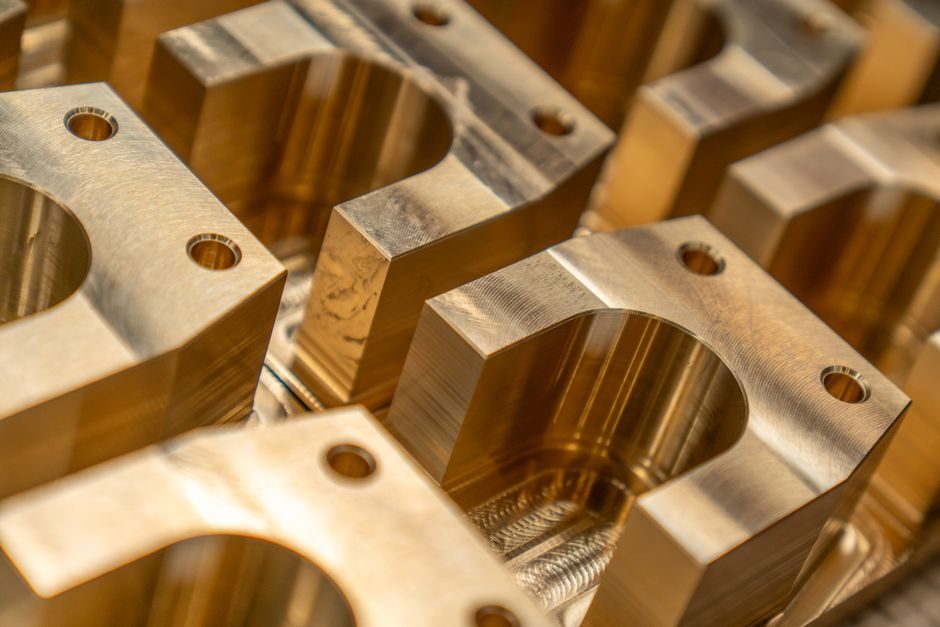
For 2026 purchasing decisions, a sand blasting machine is selected by matching four engineering constraints — feed mechanism, pressure rating, enclosure geometry, and abrasive compatibility — to the workpiece mix and shift duty cycle, per manufacturer technical data published in 2025–2026 [S1][S2][S3].
The global vendor base in mid-2026 spans manual suction cabinet builders (Cetingil Machinery Industry), regional blasting contractors with equipment lines (Speed Blast Trading LLC, Dubai Investment Park-2), and integrated finishing OEMs (Hangzhou Kafan Machinery & Equipment Co., 64 employees, CE-certified, 30–50% repeat-buyer rate) [S1][S2][S3]. Selection logic differs sharply between a job shop running 2 hours of touch-up work and a foundry running a shot blasting machine cell at 8-hour continuous duty.
Feed Mechanism: Suction vs Pressure vs Gravity
Three abrasive feed architectures define the 2026 product landscape: suction (Venturi-induced), pressure-pot (direct pressurised vessel), and gravity (for sand mixer and small reclamation cells). Cetingil's manual suction cabinet, listed on DirectIndustry in February 2025, is a representative entry-level design for low-throughput, intermittent cleaning where simplicity outweighs productivity [S1].
Pressure-pot systems are the workhorse of industrial sandblasting: the abrasive sits in a sealed pressurised vessel and is metered into the propellant air stream, delivering 3–10× the mass flow of a Venturi suction gun at the same nozzle pressure. For any application exceeding roughly 2 hours of continuous blasting per shift, a pressure-pot unit is the default specification. Suction cabinets remain relevant only for very small parts, light rust, or where the operator needs to see the workpiece through a clear window. For high-volume cleaning of castings linked to a sand casting mold line, gravity-fed reclaim systems integrated with a sand cooler and resin sand line typically replace standalone blast cabinets altogether.
Pressure Class, Nozzle Diameter and Air Consumption
Operating pressure windows for 2026-vintage sandblasting equipment cluster at 40–150 psi (≈3–10 bar) at the nozzle, with 80–100 psi (≈5.5–7 bar) as the most common industrial default. A 6.5 mm (¼") nozzle at 100 psi consumes roughly 25–30 cfm (≈700–850 l/min) of compressed air — a figure that drives air-compressor sizing more than any other spec on the data sheet. [S1]
Pressure selection should track the substrate and abrasive: light cleaning of aluminium or thin-gauge steel can run at 40–60 psi to avoid warping; heavy rust and scale on structural steel typically demand 100 psi and above. Cetingil's manual suction units are positioned for the lower-pressure end of this range, while pressure-pot cabinet systems from integrated OEMs such as Kafan target the 80–120 psi band with matched dust collectors [S1][S3]. For procurement, the rule is straightforward — size the compressor to the nozzle, not the other way around. A common buying mistake is matching a 100 cfm compressor to a 3/8" nozzle, which will starve the gun within minutes of continuous trigger pull.
Chamber vs Open-Air and Enclosure Geometry
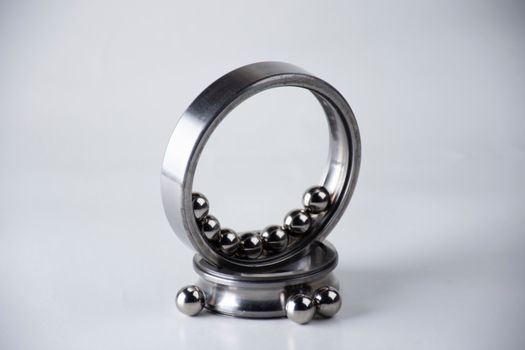
Configuration splits into two top-level geometries: enclosed blast cabinet (chamber) and open-air (outdoor or booth) blasting. The choice is driven by part size, regulatory exposure, and dust-collection requirements. Hangzhou Kafan's product range covers both cabinet and open-air categories within its CE-marked finishing-equipment portfolio [S3].
Cabinet blasting is the correct specification for parts that fit through a side-loading or top-loading door — typically up to roughly 1.5 m × 1.5 m × 1.5 m working envelope for standard bench-top units, and up to 6 m × 3 m × 3 m for large walk-in units. The cabinet contains abrasive rebound, protects the operator from exposure, and integrates dust collection directly. Open-air blasting is unavoidable for ship hulls, large tanks, structural steel, and concrete restoration, but it triggers site-specific containment, personal-protective-equipment (PPE) at the supplied-air respirator level, and increasingly strict silica-dust regulations in the EU, Gulf, and North America. Speed Blast Trading LLC's Dubai operations illustrate the regional mid-2026 contracting model: equipment sales plus on-site blasting services for oil-and-gas, marine, and infrastructure clients [S2].
Abrasive Compatibility and Dust Collection
Abrasive selection — silica sand, garnet, aluminium oxide, glass bead, plastic media, steel grit — is a hard constraint that interacts with both the machine and the dust collector. Crystalline silica sand is restricted or banned for blasting in many jurisdictions due to silicosis risk, and a 2026 specifier should default to garnet, aluminium oxide, or steel grit unless a site-specific risk assessment supports otherwise. [S2]
Dust collection is not optional in a 2026 specification: a cabinet-grade unit typically pairs with a 0.5–2 kW cartridge-style dust collector sized to roughly 500–1500 m³/h, while open-air blasting on regulated sites requires negative-pressure enclosures with HEPA-grade filtration. Kafan ships CE-certified packages that bundle the blast machine with the matched dust collector and recovery system, which is the procurement pattern that avoids the most common field failure — a dust collector undersized for the actual nozzle air flow [S3]. For shot-blasting cells integrated with a shot blasting machine and a sand cooler, abrasive temperature and breakdown rate become additional selection criteria alongside dust compliance.
Vendor Selection and Certification Patterns
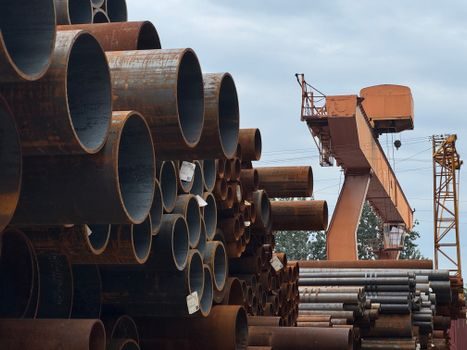
2026 vendor selection should weight three documented signals: CE or equivalent conformity marking (Kafan lists CE certification on its manufacturer profile), repeat-buyer rate (Kafan reports 30–50% repeat buyers in its made-in-china profile), and the depth of the after-sales / consumables channel (Speed Blast Trading's Dubai operations are structured as a regional supply plus service hub, with both a head office in DIP-2 and a branch network referenced on its 2026 site) [S2][S3].
For sub-2 hr/day intermittent work, an entry-level manual suction cabinet from a builder such as Cetingil Machinery Industry is a defensible specification; for 8-hour industrial duty, pressure-pot cabinet systems from an integrated CE-certified OEM with bundled dust collection are the higher-availability, lower-total-cost path [S1][S3]. Two verifiable signals to track over the next 6–12 months: the publication of any new EU silica-dust enforcement guidance affecting open-air blasting, and the consolidation of regional blasting-service providers around equipment-OEM partnerships in the Gulf and South-East Asia.
For related process-engineering reading on abrasive-handling cells, see this additive manufacturing material selection guide for spec-criteria logic that parallels abrasive selection, and this plasma cutter 2026 cost guide for the same total-cost-of-ownership methodology applied to abrasive blasting.