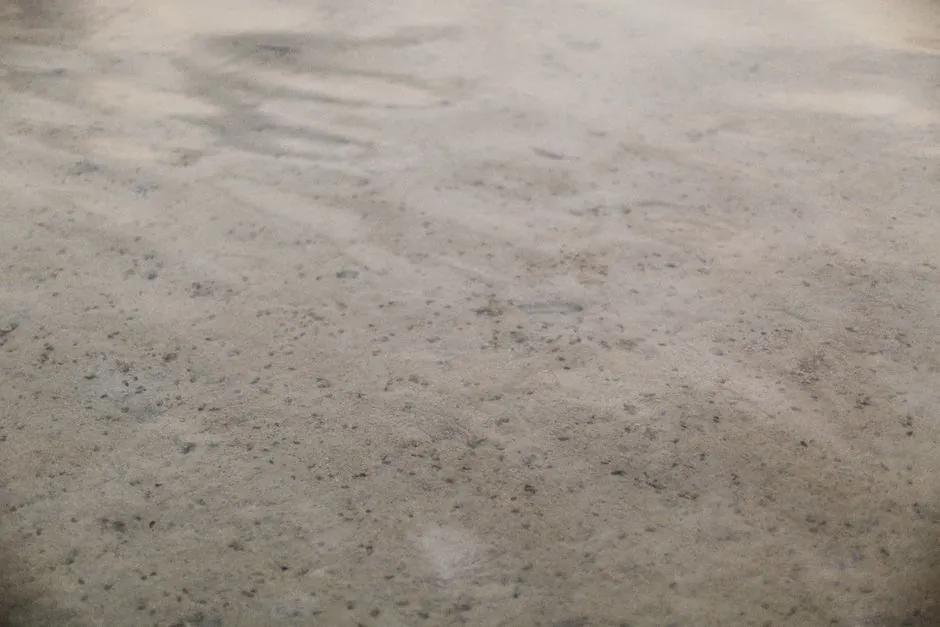
Shot blasting generally leaves the rougher, more textured surface because metallic media produces more aggressive impact than sand or non-metallic abrasives [S1][S3][S4].
The distinction matters when specifying surface preparation for paint: media, particle size, blasting pressure, equipment type and treatment time determine the final profile, so “sand blasting” alone is not a sufficient engineering specification [S2][S8].
How Media Changes the Surface Profile
Sand blasting propels abrasive particles against a workpiece with compressed air or another pressurized medium, removing paint, rust, scale and dirt while modifying surface roughness [S1][S4]. The resulting profile depends on the abrasive’s composition, shape, size and hardness, not simply on the label “sand blasting” [S2][S8].
Shot blasting accelerates metallic shot or grit from a mechanical wheel and directs it toward the workpiece [S5]. Their repeated impact produces the more aggressive treatment described in comparative blasting guidance [S1][S4].
That distinction makes shot blasting the usual choice when a rougher, more textured profile is required, while sand blasting is commonly used where cleaning and surface preparation must avoid excessive material removal [S1][S3]. The equipment distinction also matters: sand blasting is normally associated with compressed-air delivery, whereas shot blasting normally uses centrifugal acceleration [S5].
Sand, Shot and Other Media Compared
Shot blasting is more forceful than sand blasting, but media choice controls more than impact severity. Glass beads provide a milder cleaning action and can produce polished or less aggressive finishes, while walnut shells are suited to fragile parts and light coating removal [S1][S4].
These are directional differences, not fixed surface-roughness guarantees. One sand-blast finish can vary in texture depth expressed by Ra or Rz, visual appearance and functional performance [S8]. A written acceptance criterion is more useful than naming the process alone.
Which Finish Is Right for Coating Adhesion
Sand blasting can leave a smoother profile than shot blasting, while shot blasting generally introduces a slightly textured surface that improves mechanical keying for secondary coatings [S2]. Paint and sealants need sufficient surface texture and cleanliness, so an excessively smooth steel profile can reduce coating durability [S2].
For heavily corroded components, the higher impact of shot blasting can remove oxides and stubborn deposits more effectively than a gentler process [S3]. Sand blasting remains versatile and can prepare different substrates without structural damage when the operating conditions are controlled [S3]. Abrasive blasting can also clean concrete, brick and metal, although the work-piece material and coating system determine the acceptable profile [S1].
Equipment selection should follow the required result. A sand blasting machine suits compressed-air media delivery, while a shot blasting machine uses accelerated metallic media. Neither machine type defines the acceptable roughness by itself, because the abrasive specification and process controls remain decisive [S5][S8].
Limits on Thin and Sensitive Workpieces
Shot blasting’s greater aggressiveness is a benefit for hard scale but a liability for thin-walled or precision parts. It can leave a rough texture that is undesirable for some applications, while excessive energy can create distortion or remove base material [S3]. Delicate items are better served by glass beads or walnut shells than by hard metallic grit [S1].
Wet abrasive blasting changes the impact behavior by using water as the carrier. Water traps dust, lubricates the workpiece and cushions particle impacts, reducing removal of sound material [S4]. Wet blasting is therefore a separate decision from the choice between sand and shot, rather than a cosmetic variation of dry blasting.
Nozzle and equipment design also affect consistency. Compressed-air blasting commonly mixes media and air in a chamber before discharge through a shaped nozzle, while centrifugal shot equipment accelerates media mechanically [S4][S5]. An operator must therefore treat media condition, nozzle distance, angle, pressure and duration as controlled variables rather than assuming that either process always produces one fixed finish.
Dust, Reuse and Operating Controls
Silica sand creates respirable crystalline-silica dust, and the residue can remain airborne and travel beyond the work area [S2].
Non-silica mineral media, glass, metals, plastics and organics are available for abrasive blasting [S5]. Sandblasting propels abrasive media against a product with compressed air, whereas shot blasting propels treatment media with centrifugal force from a mechanical device. These controls affect workplace safety and operating cost, but they should not be used to disguise the finish specification.
A purchasing specification should name the abrasive type, particle-size range, target surface profile, substrate, coating system and acceptance method. It should also identify whether the finish is for coating adhesion, cosmetic uniformity, dimensional restoration, peening or oxide removal [S1][S8].
Specification and Acceptance Criteria
Specify the required result in measurable terms rather than relying on “shot blasted” or “sand blasted.” Surface texture should be defined using a recognized profile parameter such as Ra or Rz, together with a permitted range and method of measurement [S8]. The drawing can also state cleanliness, coating adhesion and any limits on base-metal loss or dimensional change [S2][S3].
The phrase quoted in the 2026 sand-blast finish guide is direct: “Sandblasted finish” is not a single outcome; profiles vary by texture depth, visual appearance and function [S8]. That distinction prevents a procurement error in which two vendors use the same process name but supply materially different profiles.
Shot blasting is the stronger candidate for a deliberately textured, high-adhesion industrial finish, while sand blasting is the better starting point where a smoother profile and broad substrate flexibility are priorities [S1][S2][S3]. Final acceptance must still be tied to the specified profile and coating system rather than to the media name alone.
Trackable checks for each production lot are the measured profile, visual uniformity, residual contamination, coating adhesion and, for reused shot, media condition and particle-size distribution. These controls connect the chosen shot sleeve or blasting media specification to a repeatable surface result [S1][S5][S8].