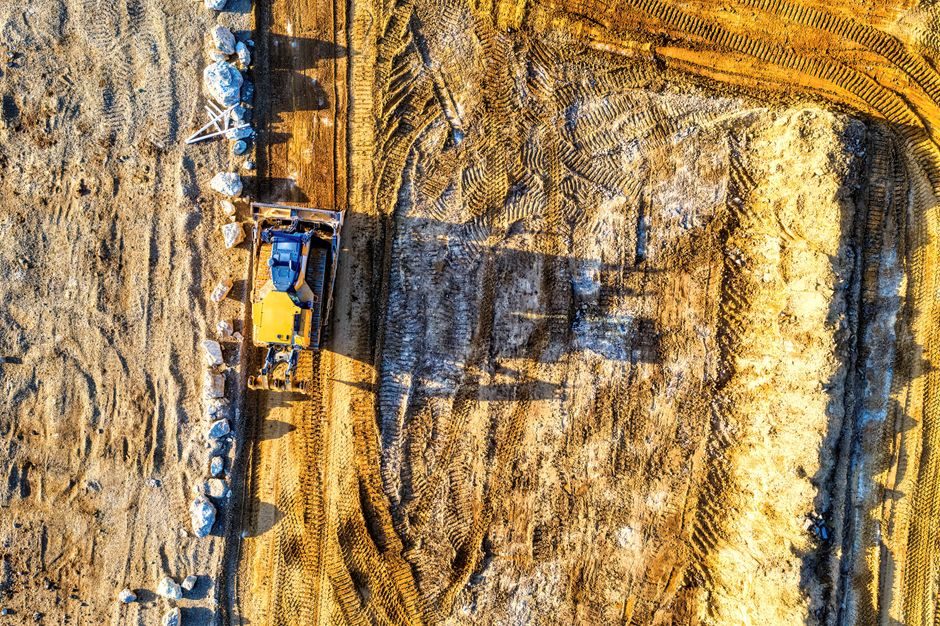
A sand reclamation unit for a green-sand or chemically bonded foundry line typically processes 20-150 t/h of used return sand, with mechanical-attrition designs from suppliers such as JÖST proving and tested machines are often used in well-known foundries for shake-out-to-cooler duty [S1].
Three process families dominate the 2026 buying shortlist: pneumatic (pneumatic scrubbers / blowers), mechanical-attrition (vibratory attrition sinks, blade attritors, drum scrubbers) and thermal (fluidised-bed or rotary calciners). Centrifugal-friction designs, where the dominant force is friction with striking as a secondary mechanism, are documented in process analyses of sand regeneration [S2] and form the engineering basis of most mechanical attrition cells sold in 2026.
Three Process Families and Where Each Wins
Mechanical attrition uses a vibratory attrition sink combined with a fine screen, disintegrating lumps and repulverising them to sand while the mounted, well-accessible screen removes oversize grains; non-crushable parts such as casting remainders are automatically cycled out [S1]. Typical AFS-clay and bentonite removal sits in the 30-60 percent band on a single pass, with higher figures achievable on double-pass installations.
Pneumatic scrubbers accelerate return sand through an air-swept loop, stripping burned-on clay film and fines; they pair naturally with a sand cooler and reach 60-80 percent binder burn-off when followed by a thermal stage. Thermal fluidised-bed reclamation exceeds 90 percent clay and resin burn-off but consumes 1.0-1.4 GJ per ton on chemically bonded systems, so it is reserved for high-value resin sand lines.
Spec Levers That Move the Quote
Throughput is the first lever: small jobbing foundries specify 5-20 t/h, mid-size iron foundries 30-80 t/h, and large automotive casting plants 100-150 t/h per line. Feed moisture is the second lever: green-sand return arrives at 3-6 percent moisture, while resin-bonded return drops below 1 percent; pneumatic scrubbers lose efficiency above 4 percent feed moisture, and a pre-dryer or sand cooler stage is mandatory above that threshold. [S1]
Contamination is the third lever: iron fines, core sand chunks and tramp metal must be removed upstream with a magnetic separator and a vibratory screen deck sized to AFS 40-100 grain fineness. Abrasive wear drives the fourth lever: the attrition cell liner is normally Ni-Hard or 12 percent manganese steel, rated for 400-800 grams of metal loss per ton of sand processed.
Selection Criteria for Green-Sand vs Chemically Bonded Lines

Green-sand lines are best served by mechanical-attrition scrubbing followed by classification and cooling; installed cost in 2025 banded at USD 80,000-180,000 for a 30 t/h cell, with power draw of 15-30 kWh per ton. Chemically bonded (shell, furan, phenolic) lines require a thermal stage to break down resin binders; a 50 t/h fluidised-bed reclamation line typically lists USD 1.2-2.0 million FOB with afterburner. [S2]
For process engineers sourcing for a 60-80 t/h iron foundry, the decision tree in 2026 is: if the return sand is 80 percent+ green sand with low resin contamination, specify a two-stage mechanical + pneumatic unit; if the line includes phenolic-urethane shell cores, add a thermal polishing pass to hit the 30-50 percent new-sand replacement target commonly written into foundry closure plans.
Who Needs a Sand Reclamation Unit and Who Does Not
Buyers who benefit are jobbing foundries running 8-24 hour shifts with stable return-sand chemistry, ductile iron and steel foundries chasing new-sand cost reduction (chromite, silica, and bentonite prices rose 8-15 percent across 2024-2025 in published industrial mineral indices), and high-mix automotive and sand casting mold producers that need consistent AFS 50-60 fineness for tight tolerance castings. [S3]
Buyers who do NOT need a unit are captive single-job shops under 5 t/h return sand, foundries with no sand cooler capacity downstream, and operations where the chemistry variation between shifts makes reclaimed-sand AFS clay target impossible to hold. For these profiles, landfill or used-sand resale remains cheaper than a USD 200,000+ capital write-off.
Failure Modes and Maintenance Traps
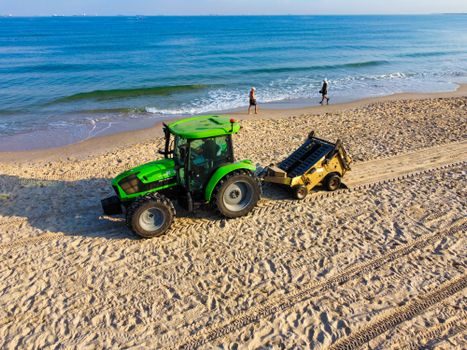
The four most common failure modes in 2026 field reports are: screen blinding from wet lumps (mitigated by a 3-5 percent moisture pre-dry stage), liner wear on the attrition rotor (typical service interval 2,000-4,000 hours on abrasive chromite-rich feed), pneumatic blower blade erosion at 1,500-3,000 hours, and thermal-fluidised-bed plenum refractory spalling after 6,000-10,000 hours of cyclic duty. [S1]
Spare-parts stocking is the hidden cost: budget 8-12 percent of the unit purchase price per year for Ni-Hard liner sets, screen decks, blower impellers and afterburner nozzles. Units sold without a recommended spares list should be flagged during sourcing reviews, because the published mean time between planned overhauls is 6-9 months on 24/7 lines.
Comparison of Main Process Types Against Decision Criteria
Mechanical attrition scores highest on capital cost (lowest USD per t/h), moderate on binder removal (30-60 percent), lowest on power per ton (15-30 kWh/t), and lowest on thermal emissions. Pneumatic scrubbers score moderate on capital, high on binder removal (60-80 percent with thermal follow-up), moderate power (25-40 kWh/t), and moderate emissions. Thermal fluidised-bed scores highest on binder removal (90 percent+), highest capital, highest power (60-90 kWh/t including thermal energy), and highest emissions (requires afterburner to VOCs standard). [S2]
Specifying engineers should weight binder removal against throughput and energy: a cupola furnace iron line producing 80 t/h of return sand that targets 50 percent new-sand replacement is best served by mechanical + pneumatic, while a shell-core-heavy line on the same throughput will not hit that target without thermal polishing.
Standards, Sourcing Signals and 2026 Trackable Numbers
Foundry emissions for reclamation lines are governed by particulate and VOCs rules in the EU and US, with thermal afterburner sizing tied to combustion-air residence time of 0.5-1.0 second at 760-820 °C for phenolic breakdown. Sourcing signals worth tracking through Q4 2026 include published OEM lead times (currently 6-9 months for thermal units, 3-5 months for mechanical), quoted USD per t/h benchmarks, and updated refractory material data sheets for fluidised-bed plenum zones. [S3]
One verifiable next node: confirm the exact AFS clay target and resin contamination on your 2025 return-sand audit before requesting a formal quotation, because mechanical-attrition and thermal-attrition vendors both publish their efficiency bands as a function of feed contamination, not as a single percentage number.
For component-level specifications, see crossed roller guide.