Supervised wiring uses continuous electrical monitoring to identify open circuits, short circuits, and ground faults at the fire alarm control panel.
The decision point is circuit architecture: conventional devices share zone limitations, while addressable SLC devices retain point identification during supervision events [S4].
How supervised fire alarm circuits detect wiring faults
An open circuit breaks the intended current path, while a short circuit connects conductors that should remain separate; a ground fault connects a circuit conductor to an unintended earth path. A supervised circuit maintains a known electrical condition so that departure from normal operation can be identified without waiting for a fire alarm event [S3][S5].
The fire alarm control panel should distinguish at least the conditions specified for the project: alarm, trouble, open, short, ground, and device failure or incorrect device. One project specification requires individual annunciation for every addressable point and specifies Style D initiating circuits, Style Z signaling circuits, and Style 6 communications circuits [S2].
For conventional systems, supervisory switches short both sides of the initiating device circuit. This raises circuit current, which the control unit interprets as a supervisory signal [S4]. Open and short detection belongs to the same wiring discipline, but it must not be confused with a supervisory signal generated deliberately by a valve, pressure switch, or other supervised component.
Open and short detection depends on circuit continuity
An open circuit has effectively infinite resistance, so the supervision circuitry identifies the interruption and places the affected circuit or zone into trouble [S3]. Common physical causes include a cut conductor, disconnected terminal, or degraded component; a correctly operating line-supervision system converts those conditions into a reported trouble rather than allowing the failure to remain invisible [S3].
A short circuit presents a different fault because it bypasses the intended load path and changes the monitored current condition. Conventional supervisory devices deliberately create this condition when activated, which means an unintended short must be distinguishable from a valid supervisory event through circuit design, device addressing, or both [S4].
Ground conditions also require supervision where the installed system is designed to identify them. The University of Arizona specification calls for open, short, and ground annunciation at each addressable point, establishing those faults as separate diagnostic outcomes rather than one generic trouble label [S2].
Conventional versus addressable fault identification
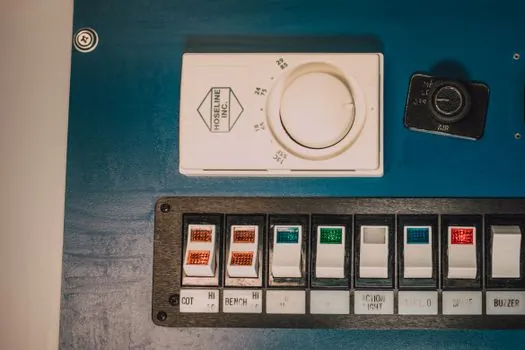
Conventional circuits are straightforward to divide into zones, but each device on a shared initiating circuit can limit the information available from that zone.
For larger systems, the decision extends beyond device type to panel capacity and fault granularity. The comparison in Addressable vs Conventional Fire Alarm Panel Zoning is useful when the specification must balance per-device diagnostics against wiring and programming complexity.
Panel wiring and annunciation requirements
Hardwired remote annunciators require supervision for open and ground conditions, with a separate annunciator trouble readout specified for the installation [S2]. This arrangement prevents a field wiring break from making the remote display appear healthy when the panel has actually detected a fault.
The SLC wiring manual covers installation and wiring of signaling line circuit devices used with compatible fire alarm control panels [S1]. The project specification also requires incoming and standby power supervision, individual initiating-zone supervision, and individual indicating-appliance-circuit supervision [S2]. These are separate layers: device circuit supervision identifies wiring and device faults, while power supervision identifies loss or impairment of the supply condition.
Addressable control also requires programming persistence and individual disable or enable capability. The referenced specification requires non-volatile memory, retains programmed operating instructions through loss of both primary and secondary power, and requires field programming to add or delete addressable devices without factory reprogramming [S2].
Testing and diagnosis must match the supervision design
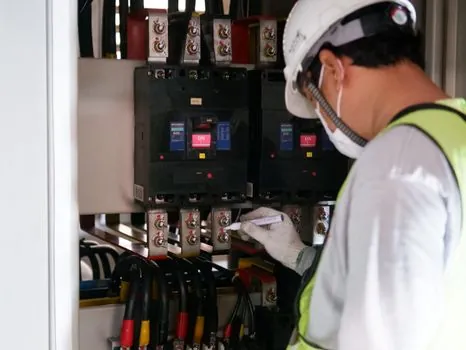
Manual inspection remains a necessary maintenance method because technicians inspect terminal blocks, connectors, and panel wiring to identify open circuits [S3]. An open circuit can disable an initiating device or an entire input zone and prevent alarm signals and alerts.
Unplanned device swapping is a poor isolation strategy because it consumes labor and replacement parts and can replace components that are functioning correctly [S3]. A more useful test sequence is to confirm the reported zone or address, isolate the field wiring, inspect terminations and junctions, test continuity across the suspected open, and verify the panel returns to normal after the fault is corrected.
Legacy systems that detect opens only during scheduled active testing can leave a fault unannounced between tests [S3]. Continuously supervised addressable wiring improves troubleshooting by identifying the affected point and retaining other points in service, while a time-stamped event log provides a trackable record when that capability is included in the control unit [S3].
Application and ownership of supervised wiring
Supervised wiring is for systems where loss of circuit integrity must be known because an undetected open can disable an initiating device or input zone and prevent an alarm signal from reaching the monitoring path [S3]. It is especially relevant where remote annunciation, individual fault identification, or supervised water-protection equipment is required.
It is not a substitute for device placement, system design, or acceptance testing. The wiring manual states that smoke and heat detectors should be located according to NFPA 72, manufacturer recommendations, and applicable state and local codes [S1]. It also notes that closed doors, walls, chimneys, ventilation, and smoke stratification can prevent combustion particles from reaching detectors even when the circuit and detectors operate correctly [S1].
Supervisory signals can also cover sprinkler valves, kitchen hood suppression systems, storage-tank temperatures, and fire-pump condition [S4]. For water-based protection, confirming that control valves are monitored prevents a closed valve from remaining unnoticed while the associated sprinkler system is considered operational.
Compliance depends on the adopted code and system documentation
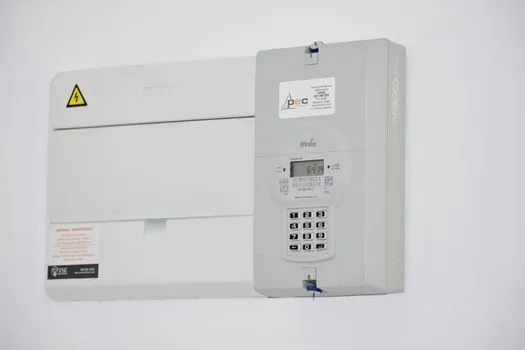
NFPA 72 governs the installation of fire alarm systems referenced by the SLC wiring manual, but the manual does not replace the adopted edition, state rules, local code, or authority having jurisdiction [S1]. Circuit style, annunciation requirements, circuit supervision, and trouble handling must therefore be checked against the project specification and locally adopted requirements.
Class E fire alarm systems are required to be supervised under the cited New York City 1968 code, with a distinctive trouble signal for failure of the primary power source [S5]. That historical provision illustrates the operating principle but should not be substituted for the code edition adopted for a new installation.
The verifiable next step is to compare the approved panel and device lists against the circuit drawings, confirm that open, short, and ground annunciation is required where applicable, and test each supervised circuit at commissioning. The panel should identify the affected zone or address and return to normal only after the wiring fault has been corrected and recorded.