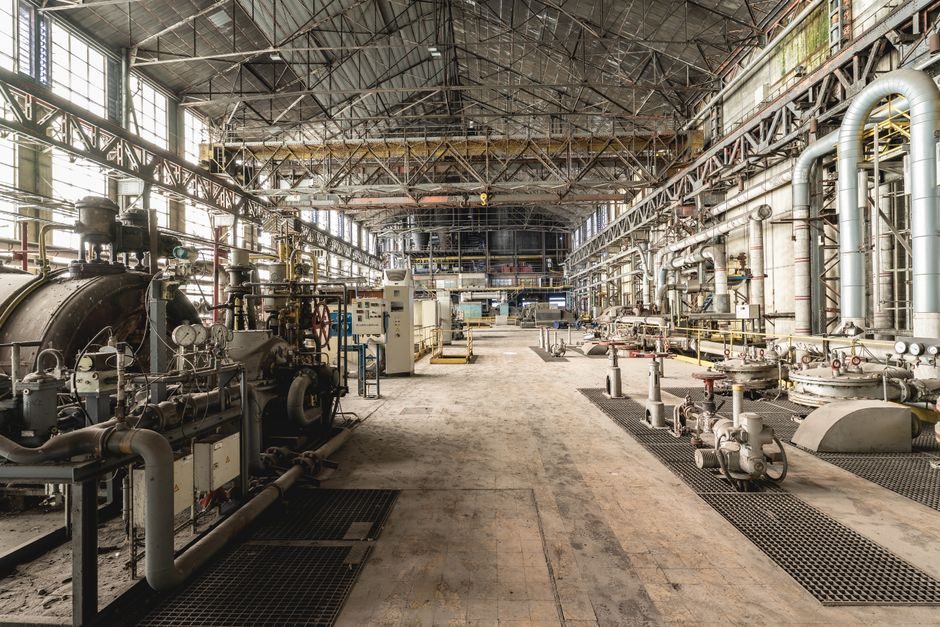
Food processing facilities specify toxic gas detectors primarily for ammonia refrigeration, CO2 cooling, chlorine-based CIP sanitizing, ozone sterilization, and combustion byproducts from boilers and CO2 scrubber regeneration [S1][S2].
The selection challenge is that a dairy, brewery, frozen-food, or meat plant rarely has a single dominant hazard — refrigerant plus oxidizer plus combustion gas typically co-exist, so multi-sensor and portable gas detector instruments are layered on top of fixed-point toxic gas detector heads [S1].
Hazard Inventory and Sensor Chemistry Mapping
NH3 (ammonia) is the dominant refrigerant toxic gas in cold-storage and frozen-food plants, with IDLH at 300 ppm and OSHA PEL 50 ppm (8-h TWA), and electrochemical sensors remain the dominant sensing element because they survive humid wash-down environments common in food halls [S1].
For CO2 used in dry-ice freezing, beverage carbonation, and modified-atmosphere packaging, a non-dispersive infrared (NDIR) sensor is the practical default since electrochemical CO2 cells drift badly in the high-humidity, low-temperature corners of a cold room. Chlorine (Cl2) off-gassing from CIP sodium-hypochlorite dosing stations, and ozone (O3) from sterilization tunnels, both require dedicated electrochemical cells because cross-sensitivity to other oxidizers is severe [S1].
Certification and Hazardous-Area Zoning
IECEx-approved toxic gas detector families such as the TS4000H platform documented in process-industry trade press have set the practical baseline for Zone 1 hazardous-area deployment, with approvals covering H2S, NH3, Cl2, SO2, NO2, CO, and oxygen deficiency on a single transmitter body [S2].
For European food plants the parallel ATEX 2014/34/EU route is required, while North American sites typically cite UL 61010-1 for the transmitter electronics and CSA C22.2 for hazardous locations. A refrigerated compressor room using NH3 is usually classified Zone 1 (gas group IIA or IIB depending on refrigerant charge), and any detector installed inside the room must carry Ex d or Ex e certification matched to that group, not just a generic IECEx mark [S2].
Fixed vs Portable vs Multi-Gas Architecture
Fixed fixed gas detector heads cover the refrigerant machine room, CO2 storage vestibule, CIP chemical room, and boiler flue manifold; portable units are carried by operators entering confined spaces such as jacketed mixers, brine pits, and CO2 hoppers. [S1]
A typical food-plant spec layers three instrument tiers: (1) fixed catalytic-bead or NDIR detectors for combustion and CO2, (2) fixed electrochemical detectors for NH3/Cl2/O3 at 1–2 per high-risk room, and (3) a multi-gas detector fleet (commonly 4-gas: O2, LEL, CO, H2S) for confined-space entry and maintenance rounds. Handheld 4-gas monitors with sound-light-vibration alarms such as the BT-B40BX pattern documented in current manufacturer catalogs remain the workhorse form factor for brewery and dairy maintenance crews [S3].
Selection Criteria, Comparison and Common Pitfalls
Four decision criteria drive the spec: target gas and range, sensor cross-sensitivity, ingress protection, and output protocol. Against those criteria, electrochemical sensors win on cost and selectivity for NH3/Cl2/H2S, NDIR wins for CO2 and refrigerants in humid service, and metal-oxide semiconductor (MOS) sensors are reserved for low-cost qualitative leak detection only because humidity and cleaning agents cause baseline drift. [S2]
Common specification mistakes in food plants: ordering a generic combustible gas detector where a toxic NH3 or CO2 sensor is required (the LEL of NH3 is ~15% vol, so a pellistor calibrated for methane will read near zero at toxic concentrations), specifying IP65 instead of IP66/67 for wash-down zones, and ignoring humidity-compensated sensors for evaporator rooms running above 90% RH. Output protocol choices matter for integration: 4–20 mA with HART remains the workhorse for new DCS-linked transmitters, while Foundation Fieldbus or PROFIBUS PA are selected only on brownfield retrofits where the segment already exists.
Standards, Calibration Cadence and Documentation

Functional-testing cadence is typically 30-day bump-test for NH3 and Cl2 sensors (because electrochemical cells drift faster in humid food environments), with full span calibration every 90 days using certified gas at 50% LEL or equivalent ppm value for the target gas. Records must be retained to satisfy HACCP, OSHA 29 CFR 1910.119 PSM (where ammonia inventory exceeds the threshold quantity), and EU Regulation (EC) 852/2004 food-hygiene documentation chains [S2].
Specifiers should require a sensor-life statement (electrochemical NH3 cells typically 24–36 months, NDIR CO2 cells 60+ months), a stated operating temperature window (most food-grade detectors are rated −20 °C to +50 °C, with cold-room derating required below −10 °C), and a calibration-gas certificate traceable to NIST or NPL. For a deeper cross-reference on adjacent instrument categories, see this toxic gas detector selection guide for laboratories and the broader gas detector overview.
Trackable Signals to Watch
Monitor ammonia-refrigerant phase-out announcements under the EU F-Gas Regulation revision cycle, since lower-GWP refrigerants such as CO2 (R-744) and propane (R-290) change both the toxic and flammable hazard profile of new cold-storage builds. Watch for revised IEC 60079-29-2 guidance on detector selection in humid processing spaces, and track FDA / USDA-NIFA grant programs funding continuous gas-monitoring integration with plant SCADA for pathogen-control traceability. [S1]