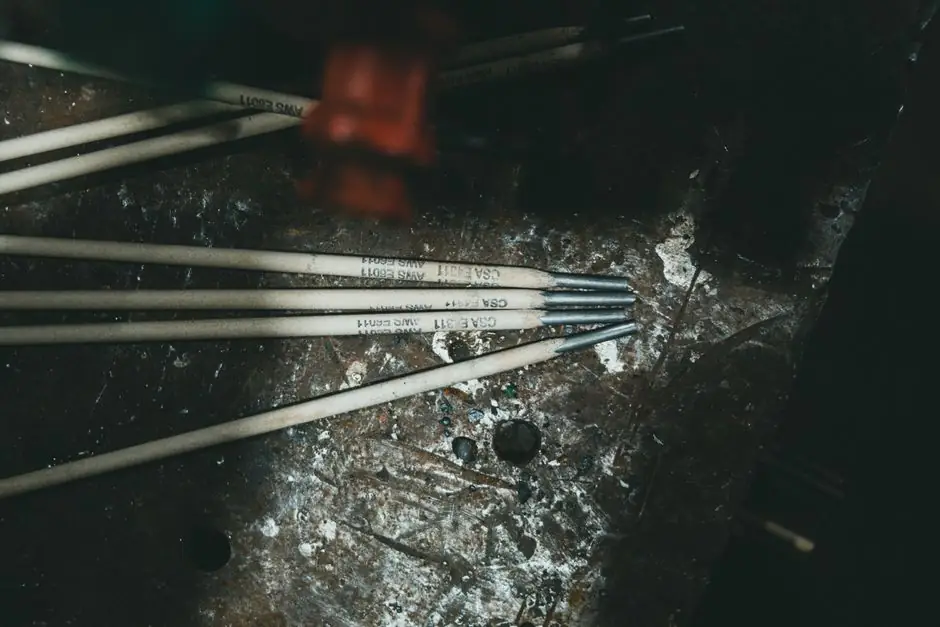
UHP graphite electrodes in 700mm and 750mm diameters are now the rigid-demand mainstream in electric arc furnace (EAF) steelmaking, and 2026 capacity additions are concentrated among a handful of Chinese first-tier producers led by Fangda Carbon [S1].
Domestic first-tier producers (Fangda Carbon, Jilin Carbon, Nantong Yangzi Carbon, Liaoning Dantan New Materials) hold mass-production capability across 600mm to 750mm UHP, with Fangda having mastered 750mm super-large-diameter core technology; internationally, SGL Carbon (Germany), GrafTech (United States), Showa Denko (Japan), Graphite India and HEG (India), and Energoprom Group (Russia) continue to anchor the high-end segment using mature graphitization and needle-coke integration [S1].
How the 2026 UHP field is structured
UHP graphite electrodes are defined as products capable of current densities exceeding 25 A/cm², sitting above high-power (HP) grades at 18 to 25 A/cm² and regular-power (RP) grades below 18 A/cm²; the UHP and HP bands are concentrated in large-capacity EAF steelmaking and have driven the recent shift toward 700mm and 750mm diameters [S7]. The transition is structural rather than cosmetic: 750mm UHP carries a higher current load per electrode, fewer joints per heat, and lower specific electrode consumption per ton of liquid steel, which is why Chinese first-tier mills have retooled for it. Liaoning Dantan New Materials operates 120,000 t/yr of total graphite-electrode capacity across 200mm to 800mm diameters and ships UHP to more than 40 countries, making it one of the broadest full-spectrum UHP footprints outside the Japanese majors [S1].
Chinese first tier vs the Western incumbents
Fangda Carbon's Lanzhou base is one of the largest UHP production hubs in China, exporting in volume to Europe, the Americas, Southeast Asia, and the Middle East while piloting green, low-carbon, and intelligent production lines that target lower per-ton energy consumption than the industry average [S1]. Meishan Rongguang Carbon has reached mass production and delivery of 700mm UHP, directly filling a previously undersupplied high-end size band [S1]. The Western and Japanese suppliers, SGL Carbon, GrafTech, and Showa Denko, hold their position through decades of graphitization know-how and integrated needle-coke supply, which is still the binding constraint on UHP quality at large diameters [S1][S2]. Indian producers Graphite India and HEG, together with Russia's Energoprom Group, round out the high-end roster and absorb demand across South Asia, the CIS, and the Middle East [S1].
A practical selection comparison between the major options looks like this on the criteria buyers actually weight:
UHP vs HP vs RP grade: UHP exceeds 25 A/cm² current density for large EAFs, HP sits at 18 to 25 A/cm² for mid-capacity EAFs and ladle furnaces, and RP is reserved for small furnaces, ferrosilicon, and non-steel smelting [S7]. Diameter 700 to 800mm vs 400 to 600mm: 700mm+ UHP is now the mainstream rigid-demand band for EAFs, with Liaoning Dantan covering up to 800mm and Fangda dominating the 750mm sub-band [S1]. Bulk density 1.68 to 1.74 g/cm³ for UHP/HP/RP lines vs 1.8 to 1.9 g/cm³ for premium EAF grades: higher density is associated with lower electrode consumption per heat [S3][S4].
Where the pricing and supply pressure sits
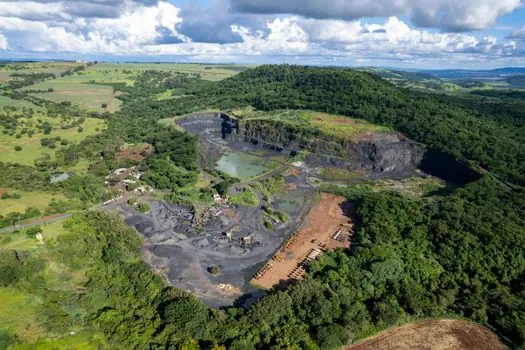
UHP graphite electrode prices in 2026 are rising steadily on rebounding EAF demand, and the price signal is now flowing back upstream into needle coke and energy, the two largest cost drivers that determine whether a UHP order is profitable for the mill [S1][S4]. Buyers interviewed in late 2025 and early 2026 say they now prioritize consistency over the lowest unit price, with burn rate per heat and nipple reliability having moved back to the top of the procurement checklist [S4]. For a deeper read on the demand side of the same cycle, see Graphite Electrode Demand 2026-2030: UHP and EAF Lead Volume Expansion. The Chinese supply side has a clear cost edge on RP and HP, but at 700mm and 750mm UHP, needle-coke quality and graphitization furnace capacity are the binding constraints, which is where Showa Denko and GrafTech still earn their premium [S1][S2].
Spec gates that separate UHP from commodity grades
Typical UHP-grade physical and electrical parameters reported in 2026: diameter 300 to 600mm for the most common EAF range, length 1800 to 2400mm, electrical resistivity 2.0 to 2.5 µΩ·m at the premium end and 4.5 to 6.0 µΩ·m for broader UHP/HP/RP lines, bulk density 1.68 to 1.74 g/cm³, modulus of rupture 10 to 14 MPa, refractoriness above 2000°C, compressive strength above 30 MPa, and ash content at or below 0.3% for typical UHP [S2][S3][S4]. Process flow is consistent across vendors: petroleum coke and coal-tar pitch as raw materials, calcination, crushing and screening, kneading, forming, baking, impregnation, and graphitization, with resin impregnation cycles used to push density up and breakage rates down [S2][S4]. A practical procurement reader walking this should cross-check four numbers: resistivity in µΩ·m at the grade claimed, bulk density in g/cm³, modulus of rupture in MPa, and ash content in percent; if any of those are missing from the mill test certificate, treat the shipment as a downgrade risk.
Where graphite electrodes actually run
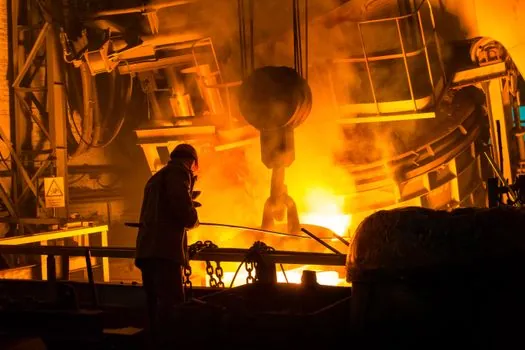
Graphite electrodes serve as the conductive consumable in EAF steelmaking, the dominant route for recycling steel scrap, and they also support ladle furnaces, ferroalloy and silicon-metal smelting, EDM machining, and increasingly, high-efficiency electrolysis cells [S2][S5]. In electrolysis service, the high-purity grades (around 99.95% carbon) report a 3600°C melting point, 7200 S/m electrical conductivity, 15% slower oxidation degradation than standard electrodes, current densities of 45 to 65 A/cm² in chloride solutions, and a thermal expansion coefficient about 25% lower than metals, with grooved designs delivering 23% energy savings in brine electrolysis plants [S5]. For a typical EAF-focused mill, however, the procurement decision is almost entirely about current density, diameter, and nipple reliability, not the exotic electrolysis spec sheet [S1][S2][S4].
Limits, failure modes, and what to watch
UHP electrodes fail in three recognizable ways: premature cracking from low modulus of rupture, nipple-joint failure from poor thread tolerance, and accelerated consumption from high resistivity or low bulk density, all of which the spec table above is designed to screen out [S2][S3]. The two most binding supply-side risks for 2026 are needle-coke tightness, which gates how much UHP can be produced at all, and 750mm graphitization capacity, which gates how much super-large-diameter UHP is available; Chinese first-tier producers are investing in both, and SGL Carbon and Showa Denko are defending their share by integrating backward into needle coke [S1][S4]. Watch for two signals: published 700mm and 750mm UHP price differentials versus 600mm UHP, and any 800mm UHP commercial deliveries from Liaoning Dantan, both of which will indicate whether the big-diameter mainstream is consolidating or fragmenting.
Spec-level background on the components involved: pressure transmitter, flow meter, and industrial valve.