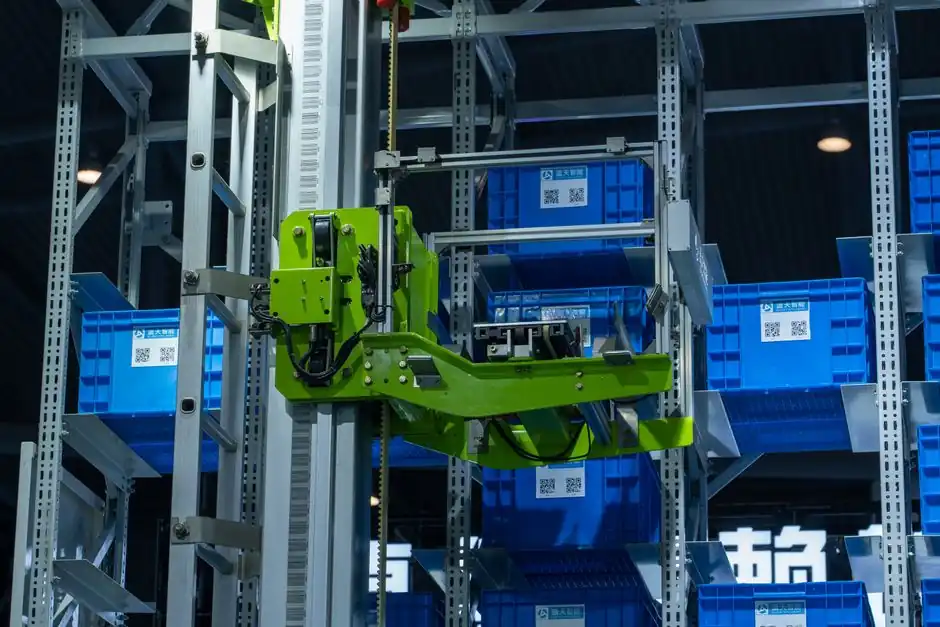
Warehouse automation spending is recovering as e-commerce and warehouse construction activity show signs of recovery, which could increase demand for automation tools [S2].
The recovery covers hardware, software, integration, retrofits, and control systems across retailers, manufacturers, distributors, and third-party logistics providers [S4].
Recovery Signals Beyond the Post-Pandemic Trough
Warehouse construction and automation investment showed the first signs of recovery as e-commerce stabilized, extending the earlier pattern in which warehouse growth created demand for automation equipment [S1][S2]. The earlier market downturn was driven by pandemic-era overbuilding, excess capacity, slower e-commerce growth, and weaker global economic conditions [S2].
E-commerce and warehouse construction activity are showing signs of recovery, which could lead to increased demand for automation tools [S2].
The underlying mechanism remains relevant. More inventory and more storage capacity increase warehouse construction, while new or expanded facilities create a practical need for handling, identification, replenishment, and order-picking equipment [S2]. This links automation demand to physical logistics capacity rather than to e-commerce headlines alone.
Market Forecasts Show Growth, Not a Uniform Recovery
Published 2026 forecasts differ materially because market studies combine different mixes of hardware, software, implementation services, control systems, and material-handling equipment [S4].
Warehouse automation forecasts require context because they may combine hardware, software, implementation services, control systems, and material-handling equipment [S4].
Growth is also broader than the fully automated warehouse. Purchases include cloud software subscriptions, barcode systems, mobile robot fleets, equipment retrofits, control systems, integration projects, and automation-as-a-service contracts [S4]. That distinction matters because selective automation can enter operations without reproducing the capital intensity of a purpose-built automated facility.
Compare Automation Types by Capital and Operating Fit
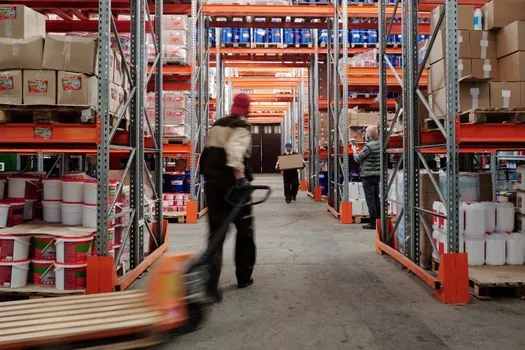
A barcoded pick system with automated replenishment can address inventory and fulfillment process needs at a lower entry threshold than a combined autonomous mobile robot, automated storage and retrieval, conveyor, robotic arm, machine vision, and orchestration architecture [S4].
The comparison is not a ranking of technology quality. It is a selection test based on throughput, SKU profile, exception rate, facility geometry, and expected utilization. For a single-site e-commerce operator, spreading an investment across several warehouses can improve recovery, while a brand operating only one facility has fewer opportunities to distribute technology cost and benefits [S4].
Core Buyers Differ From One-Site Operators
Warehouse automation is relevant to e-commerce brands, distributors, manufacturers, retailers, parcel carriers, and third-party logistics providers because the objective is to process more orders without allowing fulfillment cost, inventory errors, and labor requirements to rise at the same rate [S4].
Large enterprises with several warehouses are better positioned to recover a technology investment across multiple sites [S4]. Single-site operators need a stronger case built around measurable order density, labor constraints, peak-period capacity, and equipment utilization. A larger market does not by itself make a robotic cell or automated storage project economical.
The physical operating environment also affects the application. Electrical automation can provide the sensing, control, power distribution, and interlacing needed for conveyors, mobile robots, and automated handling systems, but a complete warehouse project also depends on inventory data, workflow design, software integration, and operator discipline [S4].
That result supports automation as an operating capability, although it does not establish a universal payback period or a guaranteed sales gain for every project.
Implementation Limits Can Defeat a Growing Market
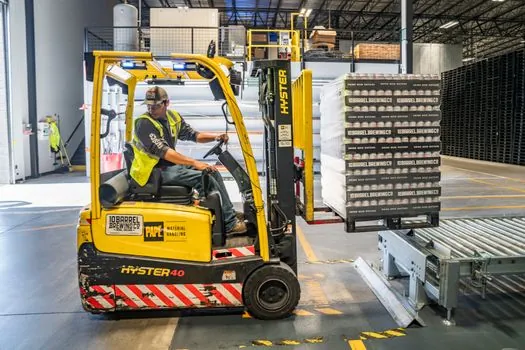
Many businesses still lack the inventory accuracy, process discipline, and integration foundation required to generate a reliable return from advanced equipment [S4]. Poor master data, inconsistent SKU locations, poor process discipline, or weak integration can prevent automation from delivering the expected operating result [S4].
Peak-season scalability is a central use case because automated systems can be designed to handle demand surges and promotions while connecting picking, storage, replenishment, and transport steps [S8]. The practical constraint is capacity before the peak begins: a mobile robot fleet without sufficient charging capacity, a conveyor system without balanced upstream and downstream flow, or automated storage without accurate locations can shift congestion rather than remove it.
Forecast growth also includes services and software, so a rise in market value does not prove that robot shipments or fully automated facilities are expanding at the same rate [S4]. This is why equipment orders, software subscriptions, integration projects, and installed automated square footage should be tracked separately when judging whether spending has genuinely recovered.
Track Orders, Capacity, and Installed Utilization
The clearest recovery indicators are rising orders per labor hour, improved inventory accuracy, increased storage throughput, and stronger equipment utilization rather than headline market size alone. Published forecasts place 2026 market values between $27.4B and $34.17B, while earlier warehouse automation revenue reached $36.4B in 2021 [S2][S4].
Buyers should also separate greenfield construction from retrofit spending. Warehouse construction can create demand for automation, but existing facilities can adopt barcode-directed picking, automated replenishment, mobile robots, control retrofits, or orchestration software without new construction [S1][S2][S4].
Two practical signals deserve monitoring through the next procurement cycle: whether operators report higher equipment utilization rather than only larger fleets, and whether software, integration, and service revenue keep pace with hardware. Market forecasts show that spending is expanding [S4], but disciplined workflow data and fleet performance will determine whether the recovery is producing durable operating gains.