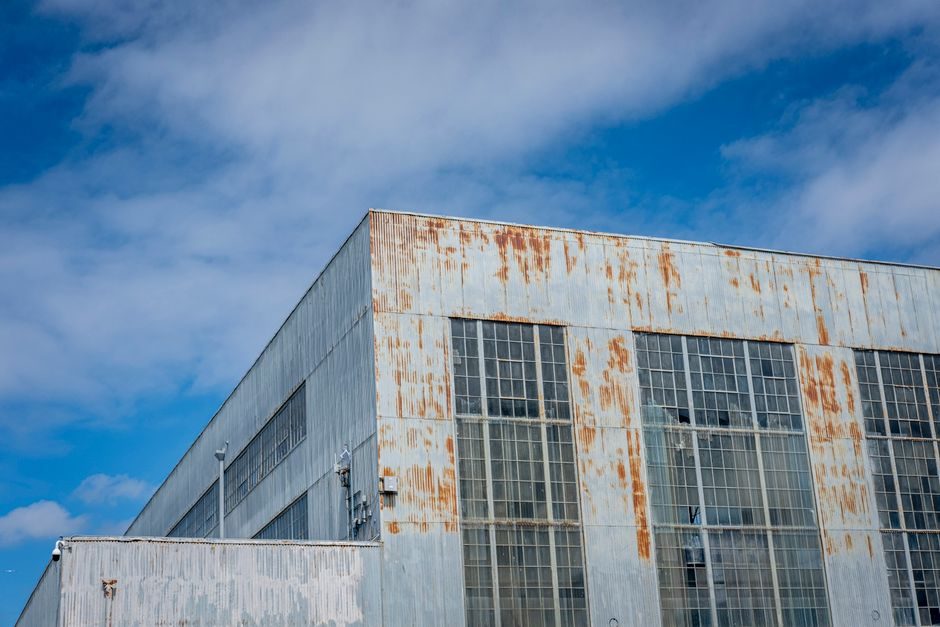
Weathering steel is a low-alloy, high-strength structural grade that forms a dense, adherent oxide layer when subjected to alternating wet/dry atmospheric cycles, removing the need for paint in many outdoor services. The commonly specified ASTM family — A242, A588, A606-4, A709-50W and A847 — shares the same Cu-Cr-Ni-P alloying philosophy but differs in product form, strength and intended fabrication route [S3][S7].
Corten® is the trademarked name (corrosion + tensile) for one of these ASTM equivalents and dominates outdoor architectural and bridgework specifications; its 68-78 KSI tensile range sits well above typical galvanized carbon steel at 45-64 KSI [S3]. Material traceability and original-mill certification matter because the protective patina is alloy-driven, not coating-driven.
ASTM Grade Map: Form, Strength and Where Each Fits
ASTM A588 covers structural shapes and bar, A242 is the original plate specification, A606-4 is specified for cold- or hot-rolled sheet and coil, A709-50W is the bridge plate/bar workhorse, and A847 covers welded tube and pipe for hollow structural sections [S3][S7]. This split matters at procurement: a coil-to-sheet buyer asking for "weathering" usually means A606-4, while a bridge fabricator typically means A709-50W plate.
Central Steel Service distributes the A588/A242/A606-4/A847 family in coil, sheet, plate, structural shapes, hollow sections and transmission-pole grades A572-65 and A871-65, with mill traceability as a baseline requirement for the family [S1][S7]. SSAB's commercial weathering offering targets the same product mix, marketed as a self-protecting structural grade for bridges and architecture [S9].
Patina Kinetics: 6 Months to Decades, Only With Wet/Dry Cycling
The protective rust layer on weathering steel generally develops within six months of atmospheric exposure and, once stabilised, the patina can sustain the steel for "a few decades to over 100 years" depending on climate and design detailing [S3]. That timing is not a calendar artefact — it requires repeated wet/dry cycling. Continuously wet, buried, or sheltered conditions suppress the dense oxide and leave the substrate unprotected.
Saltwater immersion, salt spray, or chloride-laden mist will attack the patina and drive ongoing corrosion; these environments are explicitly outside the unpainted weathering-steel envelope [S3]. For accelerated finishing in fabrication shops, salt solutions with vinegar and peroxide are used to force the patina, but only as a cosmetic pre-treatment — chloride-bearing accelerators are not a substitute for service-environment control [S3].
Selection Criteria: Strength, Form, Weldability and Environment
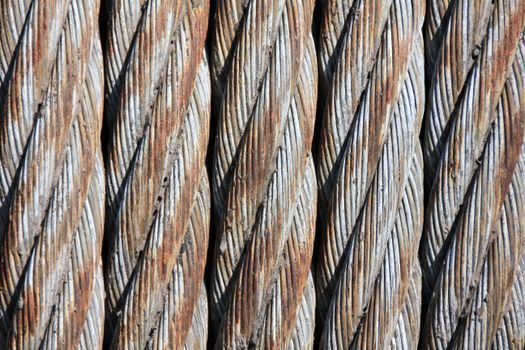
Four decision variables drive the grade call: required product form, minimum yield/tensile, weldability route, and service atmosphere. The Corten/weathering family runs roughly 68-78 KSI tensile — a useful filter against standard carbon steel plate when deflection or section weight is the constraint [S3]. For hollow structural sections in transmission poles and sign supports, A847 HSS is the conventional choice, and A871-65 covers the higher-strength pole plate [S1].
For painted systems on bridges, A709-50W is the dominant plate grade because it welds cleanly and accepts a coating when the environment is too aggressive for bare patina behaviour [S3]. When the application is cold- or hot-rolled sheet for roofing, cladding or edging, A606-4 is the equivalent specification and the one a service centre is most likely to stock in coil [S3][S7]. Comparing the four common options against decision criteria gives a usable shortlist:
- A606-4 sheet/coil — cold- or hot-rolled, architectural cladding, edging, roofing; unpainted patina service [S3].<br>- A588 plate/shapes — structural buildings, sign and pole structures; good weldability for shop fabrication [S3][S7].<br>- A709-50W plate — bridgework; specified when AASHTO bridge code compliance is the procurement driver [S3].<br>- A847 HSS/tube — hollow structural sections, architectural tube framing, transmission pole shafts [S1][S3].
Limits and Failure Modes: Where Weathering Steel Is the Wrong Choice
Weathering steel is not a universal substitute for galvanised or painted stainless steel — it fails predictably in four service regimes. Continuously wet conditions (pools, burial, fog-saturated shade) prevent the dry-off cycle and leave the steel actively corroding. Chloride exposure (coastal splash zones, road de-icing salt, marine immersion) penetrates the patina and produces ongoing section loss [S3].
Galvanised steel remains the lower-risk pick for buried post frames, salt-exposed hardware, and any detail where run-off collects against concrete or masonry, because zinc sacrifices itself in a controlled way. The broader cost trade-off between weathering, galvanised and stainless is exactly the kind of TCO band a spec engineer should resolve up front, much like the 25-30 year spend profile on steel strand over its service life. For cladding and roofing where the design intent is the rust aesthetic, A606-4 sheet is the cleanest specification; for structural plate where the engineer is buying strength and weldability, A588 is the workhorse.
Detailing and Fabrication Rules That Decide Whether the Patina Works
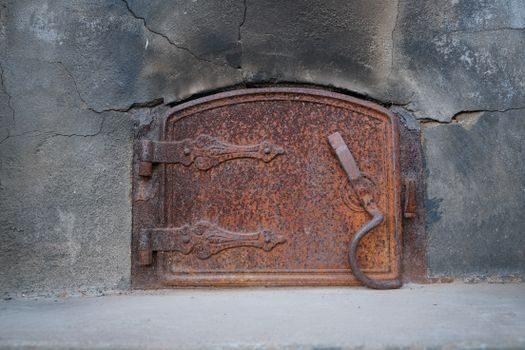
Three detailing rules determine whether an unpainted weathering-steel structure actually achieves its design life. First, detail for drainage: avoid horizontal surfaces, pocketed crevices, and lap joints that trap water and debris. Second, separate dissimilar metals — direct contact with zinc, copper, or carbon steel run-off can cause galvanic staining of the patina and accelerated attack at the contact point. Third, control chloride ingress: in road or bridge applications, design splash zones and pier bases so that de-icing salt does not pond against the steel [S3].
Welding uses standard low-alloy consumables matched to the grade's tensile range; the heat-affected zone will patina alongside the parent metal once exposed. The 2013 Morcillo atmospheric-corrosion review (covering primarily ASTM A-242) confirms that long-term performance is governed by environment and design detail far more than by alloy choice within the family [S8]. That is why procurement language should bind both the ASTM designation and the detailing standard, not just the chemistry.
Sourcing, Traceability and 2026 Supply Landscape
Specialist service centres such as Central Steel Service (founded 1981) distribute the A588/A242/A606-4/A847 family with mill traceability and shape加工 capability, in coil, sheet, plate, angles, flats, channels, rounds, squares, pipe and tube, alongside Strenx/Domex 100XF and transmission-pole grades A572-65 and A871-65 [S1]. SSAB markets its own weathering commercial-steel offering for bridges and architecture, framing the value proposition around eliminating the paint cycle [S9].
Chinese mills and trading platforms (e.g. Shanxi Taigang / TiscoTaigang) list weathering plate within a broader carbon, alloy, stainless steel and duplex portfolio, with two-to-three-week lead times quoted versus the six-to-eight-week range cited for some other suppliers [S2]. For any cross-border sourcing, the binding requirement is still the same: the ASTM designation on the MTC, full heat-traceability, and verification that the product form matches the design — not just that the word "weathering" appears on the data sheet. When a project also needs a stainless steel sheet for handrails or trim in the same assembly, specify it separately to avoid mixing the two grades at the detail level.
Spec-level background on the components involved: linear guide.