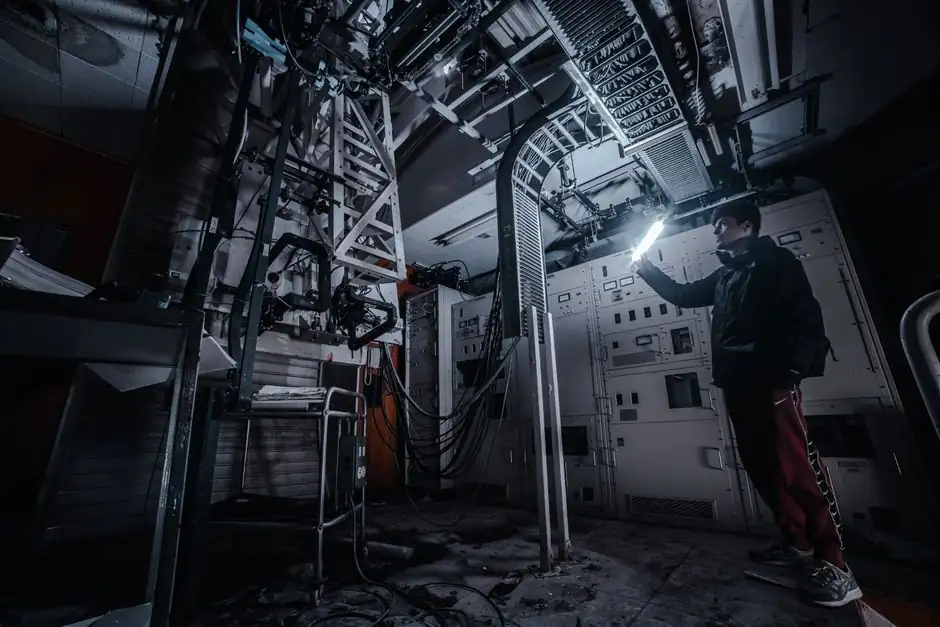
A confined space requires continuous oxygen monitoring when hazardous conditions may develop during entry, with alarm limits set below 19.5% and above 23.5% oxygen.
Decision criteria include atmosphere-change potential, inability to isolate the space, work that consumes or adds oxygen, ventilation reliability, and the consequences of delayed detection.
Define the decision boundary
Continuous oxygen monitoring is justified when the permit-space atmosphere may become hazardous after the initial test. OSHA requires testing before entry with a calibrated direct-reading instrument for oxygen content, and monitoring as necessary to determine whether acceptable entry conditions are maintained during entry operations [S1].
The atmosphere is not acceptable below 19.5% oxygen or above 23.5%. A concentration exceeding 10% of the lower flammable limit for a flammable gas or vapor also defines a hazardous atmosphere, alongside combustible dust and toxic contaminants that may exceed applicable exposure limits [S4].
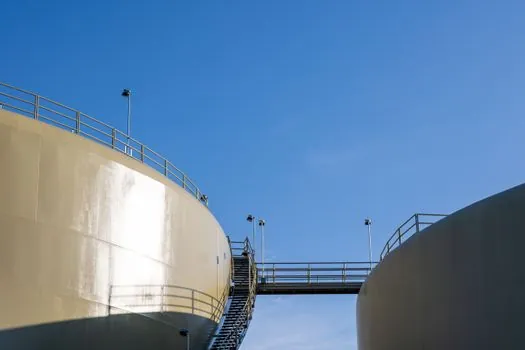
A confined space is large enough for an employee to enter and work, has limited or restricted entry or exit, and is not designed for continuous employee occupancy. Tanks, silos, bins, hoppers, vaults, and pits are listed examples, but geometry alone does not establish whether the atmosphere will remain stable [S1].
Use a hazard-change screen
Continuous monitoring is warranted when the process can alter the atmosphere faster than entry controls can react. Before beginning work in a confined area, the supervisor and employees should review the operation, hazards, and control measures [S2].
Confined spaces may experience oxygen depletion due to gas displacement, chemical reactions, corrosion, combustion, or inert-gas purging [S3]. Poor natural ventilation increases the likelihood that these processes will affect workers before a remote spot check identifies them [S2].
Use continuous monitoring when the space cannot be reliably isolated, ventilation has no effective backup, or the work includes welding, combustion, purging, or chemical reactions. If the space can be isolated and its atmosphere remains demonstrably controlled, a calibrated pre-entry test may establish acceptable conditions, but the permit and responsible supervisor must still define when monitoring remains necessary [S1][S4].
Compare monitoring strategies
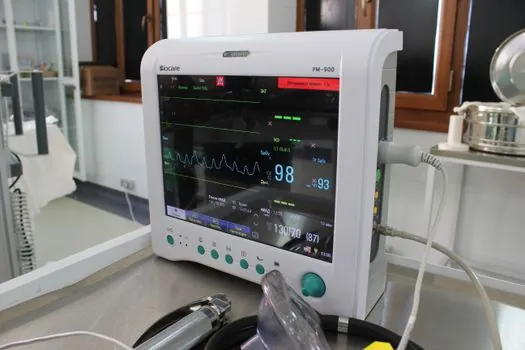
Pre-entry testing establishes a starting condition, continuous monitoring detects change during work, and personal gas monitors protect the individual carrying them. The correct method depends on atmosphere stability, work duration, access limits, and alarm architecture, not simply the size of the vessel or pit. [S3]
For sensor selection, an oxygen detector should provide direct oxygen measurement, audible and visual alarms, calibration functions, and suitable battery or power support for the work duration. A personal monitor and an area monitor are complementary when workers move between locations inside the same permit space.
Set credible alarm levels
Set the oxygen alarm around the regulatory boundary, with low-oxygen alarms at or below 19.5% and high-oxygen alarms at or above 23.5%. These values identify the OSHA hazardous-atmosphere range; normal air is approximately 20.9% oxygen [S3][S6].
Widely used confined-space thresholds treat oxygen concentrations below 19.5% as deficient and above 23.5% as enriched [S6].
Alarm settings should be verified against the instrument manual, calibration procedure, and site risk assessment.
Integrate oxygen with other hazards

Oxygen monitoring does not replace combustible-gas or toxic-gas testing. OSHA’s monitoring sequence is oxygen first, then combustible gases and vapors, and then toxic gases and vapors [S4].
Where flammable concentrations may reach 10% of the lower flammable limit, add a combustible gas detector with an appropriately configured alarm. Where toxic exposure is plausible, add the required toxic-gas measurement, even if the oxygen reading remains acceptable.
A fixed system that receives oxygen readings can also feed a gas alarm controller, but the controller only helps if the sensor, alarm thresholds, notification path, and operator response are tested together. Oxygen enrichment raises flammability risk, so a rising oxygen alarm may need to trigger ventilation or shutdown rather than simply an evacuation.
Match the instrument to the failure mode
The choice should follow the manufacturer’s specified application, temperature range, response characteristics, and hazardous-area approval. [S3]
Do not assume that an oxygen value alone describes atmosphere safety. A sensor may have a cross-sensitivity or response limitation, and calibration schedules depend on the sensing principle and manufacturer instructions. Confirm the displayed range, alarm setpoints, alarm modes, event logging, ingress rating, battery duration, and calibration method before authorizing entry.
For inspection work, the selected monitor should support the actual confined-space environment. Remote sampling lines, intrinsically safe construction, a readable display, and audible, visual, and vibration alarms can address different operational and communication needs [S3].
Apply defensible entry controls
Continuous monitoring is a control layer, not permission to enter an unsafe space. OSHA defines monitoring-equipment failure as a possible emergency, which supports a clear response plan for alarms, sensor faults, ventilation loss, and loss of communications [S1].
Test from outside the space before entry, purge and ventilate as required, and verify the purge with testing. If oxygen falls below 19.5%, purge and ventilate further and repeat the test [S2]. Do not rely on the worker’s senses, because oxygen deficiency can cause impaired judgment, poor coordination, dizziness, fatigue, unconsciousness, and death without a reliable sensory warning [S5].
Keep the entry permit linked to the monitoring plan. Record actual oxygen concentrations on the permit near the identified safe-entry levels, document instrument calibration, assign alarm response actions, and verify that the attendant and entrants can operate the equipment correctly [S1][S4].
Confirm that monitoring stays effective
Verify the monitor before entry with a known oxygen concentration, confirm alarm operation at the configured thresholds, and document the calibration status. Functional checks are necessary because a powered display alone does not prove that the sensing cell, alarm, battery, or communication path is working. [S3]
Confirm that the monitor’s placement represents the breathing zone and the work area. In a vessel with multiple levels or stagnant zones, one fixed sampling point may not reveal local oxygen depletion. Sampling geometry, ventilation direction, worker movement, and the sensor response time determine whether the reading represents the exposure risk.
Reassess the need for continuous monitoring whenever the task, ventilation, isolation, chemical inventory, or entry duration changes. If welding begins, a purge starts, a ventilation fan fails, or a new gas source is introduced, the pre-entry result no longer describes the complete work. The defensible decision is to maintain continuous oxygen monitoring whenever the work can change the atmosphere faster than periodic testing can detect it [S2][S4].