
Critical data center electrical equipment should be ordered during preconstruction, because 2026 delivery windows range from 40 to 95 weeks and pad-mounted transformers can require 68 to 113 weeks [S6][S8].
The procurement window applies to medium-voltage switchgear, transformers, generators, UPS systems, power distribution equipment, and other systems whose late arrival can delay installation, commissioning, and energization [S3][S5].
Start procurement before the design is frozen
A preliminary long-lead equipment list should be prepared before construction begins, with each item linked to the project critical path [S3]. For a data center, that list commonly includes utility and medium-voltage transformers, medium- and low-voltage switchgear, uninterruptible power supplies, backup generators, automatic transfer switches, power distribution units, chillers, pumps, and custom controls [S3].
The first order decision cannot wait for final design or subcontractor mobilization, because those stages can consume the time needed to complete approvals and secure a factory slot [S3]. Lead time depends on market conditions, manufacturer capacity, customization, workload, and project location, so the equipment schedule should use supplier-specific delivery data rather than a single generic allowance [S3].
In the cited market survey, data center projects faced lead times of roughly 40-plus weeks for the three-phase pad-mounted transformers they needed [S2].
Use the full delivery chain, not factory lead time alone
Switchgear quoted at a 60-week lead time can still miss the planned delivery because the interval includes factory queue time, submittals, approval holds, and late decisions [S4]. For data center procurement, the controlling sequence extends from the request for proposal through vendor drawings, engineering review, release, manufacturing, factory acceptance testing, shipping, receiving, installation, controls integration, and commissioning [S3][S4].
Available planning data illustrates the equipment-level spread. Other 2026 guidance places medium-voltage switchgear at 38 to 63 weeks and pad-mounted transformers at 68 to 113 weeks [S8].
Mechanical systems can control the same schedule. Chillers, cooling towers, computer-room air handlers, pumps, and heat exchangers are listed as common long-lead equipment, and a mechanical room cannot be started when a required chiller, pump, controller, or heat-rejection component remains absent [S3]. This makes cooling procurement part of the electrical-equipment decision rather than a later mechanical-package exercise.
Set the order date from the required energization date
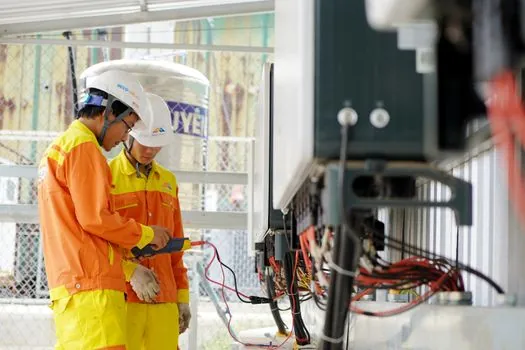
The practical rule is to subtract the validated lead time, transport allowance, installation sequence, factory testing, and commissioning duration from the required energization date, then place the purchase order when the remaining float falls below the project risk limit. The long-lead list should therefore begin in preconstruction rather than immediately after drawings are approved [S3].
Published lead-time ranges give teams a defensible screening basis. Critical electrical equipment for data center projects commonly takes 40 to 95 weeks in 2026, while medium-voltage switchgear is placed at 38 to 63 weeks and pad-mounted transformers at 68 to 113 weeks [S6][S8].
For a near-term energization date, those ranges mean transformer and generator procurement may already be behind the market. A team only a few months from energization may have to search for canceled orders rather than secure a new production slot [S2]. The delay then propagates into startup, controls integration, functional performance testing, load-bank testing, integrated systems testing, operator training, final inspections, and facility turnover [S3].
Compare the principal procurement options
Long-lead orders should be evaluated by delivery certainty, technical flexibility, commercial commitment, and schedule exposure rather than by unit price alone. Bid comparisons should level slot date, shipping week, technical assumptions, and exclusions, because a low price without a credible production commitment does not protect the energization date [S4].
The comparison supports different tools for different packages. A direct order offers control over a factory slot, a distributor can reduce access risk for available stock, and split release protects the schedule when some decisions are not yet mature [S4][S5]. None removes the need for weekly milestone control, because delivery assurance depends on named owners for every handoff [S4].
Use split releases without surrendering schedule control
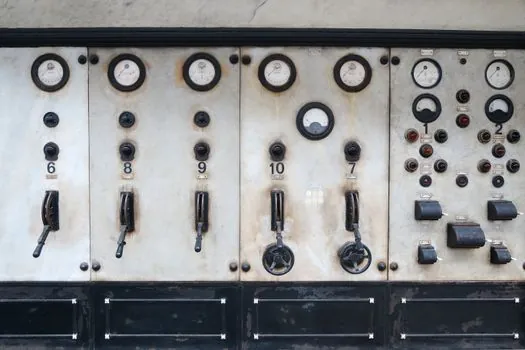
Split release is appropriate when early procurement is needed but some technical decisions remain open, provided the purchase order uses dated hold points and an agreed pricing method for each hold [S4]. For 15 kV switchgear and 60 MVA transformers, the buy-ready package must include ratings, layouts, weights, terminations, clearances, and the applicable approval assumptions before pricing can be compared consistently [S4].
Fast-tracking does not mean issuing an undefined order and transferring design risk to the factory. It means identifying the minimum stable technical scope, locking it into a factory slot, and controlling later selections through formal commercial and technical gates [S4]. This approach is most useful for transformers, switchgear, generators, and UPS systems, where customization can make an off-the-shelf substitution impossible [S3].
Once an order is placed, performance should be measured against dated milestones rather than a general promise. The monitoring protocol should begin 13 weeks before ship date and final paint inspection 11 weeks before ship date, while typical internal design-build lag risk is 3 to 5 business days per unresolved handoff [S4]. These checkpoints expose a slipping slot before physical delivery is too late to recover.
Control factory testing, shipping, and site readiness
Factory acceptance testing, sectional shipping, receiving, and change control must be explicit in the purchase order exhibits, not left to commercial habit [S4]. Delays frequently begin with submittals and approvals before manufacturing starts, which is why a promised ship week is not enough evidence of delivery performance [S6].
The order should also align with site readiness. Dimensions, equipment weight, delivery restrictions, crane access, laydown space, installation sequence, startup requirements, and commissioning needs must be checked before shipment [S3]. Electrical gear may arrive before transformers only to create an electrical room that cannot be energized, while mechanical piping may be complete but unusable if chillers, pumps, controls, or heat-rejection equipment remain absent [S3].
A weekly long-lead meeting should track past-due owner decisions and vendor exceptions, with each exception assigned a recovery request, cost, schedule benefit, and decision date [S4]. Site conditions should be verified before trucks arrive, not after delivery [S4]. This control cycle also supports coordinated inspection and test planning for controls integration, load-bank testing, and integrated systems testing [S3].
Apply the rule by equipment risk and project phase
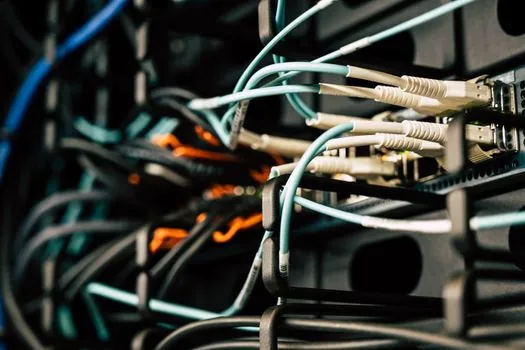
High-consequence equipment belongs on the first procurement release, including medium-voltage switchgear, pad-mounted or power transformers, generators, and major UPS systems [S2][S8]. Standard or maintainable components can follow later releases if their lead times are short and substitute products remain feasible [S3]. Cooling equipment should be ranked alongside electrical gear because chillers and related systems can become critical-path items [S1][S3].
Teams without an approved manufacturer list have more schedule exposure because they have less ability to choose an available production slot [S4]. By contrast, teams with an approved list can focus on removing approval holds and accelerating submittals rather than assuming a lower price will create schedule capacity [S4]. This distinction matters during a market in which large electrical equipment lead times can extend beyond one year [S5].
The procurement strategy should also reflect the wider equipment ecosystem. UPS and other power systems may be documented as long-lead items alongside switchgear and transformers, while DC power supplies cover a different equipment class and should not be used to dilute the critical-path package [S3]. Instrument selection for testing and troubleshooting remains separate, including digital multimeters for field electrical measurements, but those instruments do not replace factory and site acceptance testing [S3].
Escalate procurement before the schedule becomes non-recoverable
The decision threshold should be based on remaining float, not a fixed calendar date. When the validated equipment lead time plus logistics, installation, testing, and commissioning no longer fits before energization, the order becomes a schedule-critical action requiring executive review, factory-slot confirmation, and a recovery plan [S2][S4].
The first signal is a delivery date moving by a full quarter while price remains unchanged, which demonstrates that factory capacity can set the date independently of commercial terms [S2]. The second is repeated delay in submittals, because many schedule failures begin before factory manufacturing [S6]. Teams should track factory slot, submittal approval, FAT, ship week, site readiness, and installation readiness as separate dated milestones [S4].
A practical next action is to produce one 2026 long-lead schedule for every critical electrical package, validate each lead time with the named manufacturer or distributor, and compare it with the contractual energization date [S3][S8]. Where the calculated float is already below the permitted allowance, escalation should identify whether a released factory slot, a split release, an alternative available unit, or a schedule change offers the earliest credible path [S4][S5].