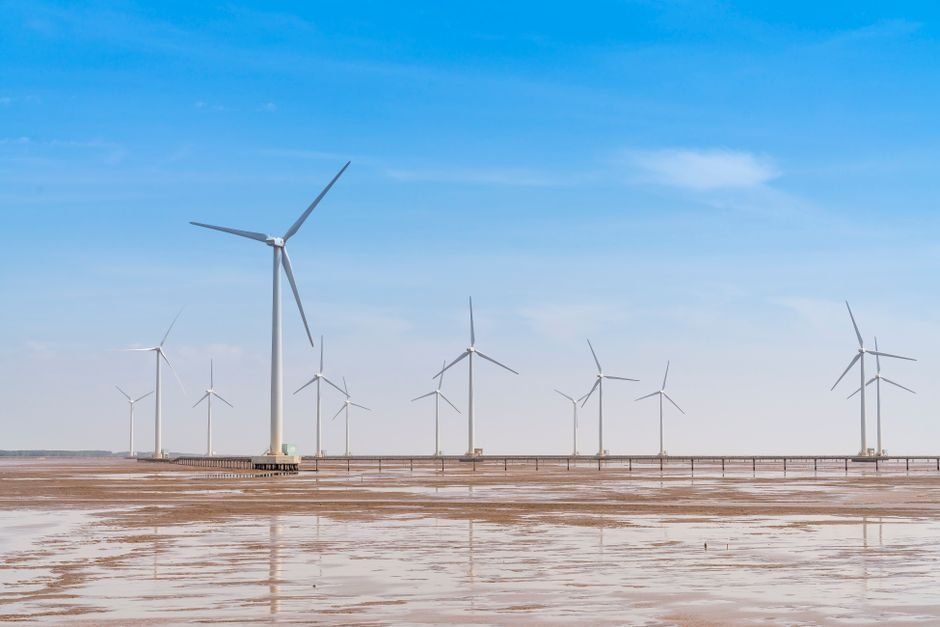
A utility-scale 3-5 MW onshore wind turbine carries a turbine-only capex of roughly $1.1-1.4 million per MW, with the rotor (blades + hub) and the drivetrain (tower + nacelle assembly + generator + gearbox) jointly absorbing the majority of that spend [S4][S6].
Manufacturer listings for 2026 confirm three cost tiers: large western OEMs such as Vestas and Goldwind selling platform-scale 3-15 MW units [S2][S4], mid-tier Chinese platforms in the 1-3 MW band [S3][S5][S6], and small-wind / hybrid units under 100 kW for telecom, marine, and off-grid use [S3][S5]. Selection by cost alone is wrong; matching rotor diameter, rated wind class, and gearbox ratio to site IEC class is the controlling decision.
Rotor, Blades, and Hub: the Largest Single Cost Block
The rotor (blades plus hub) typically accounts for 20-25% of turbine capex, making it the single largest bill of materials on a modern utility-scale unit [S4]. Blade length scales with nameplate rating: a 3 MW onshore machine uses roughly 60-70 m blades, while 8-12 MW offshore platforms push blade length past 90-100 m, which directly drives tooling, transportation, and resin cost [S2][S4].
Blade construction is dominated by fibreglass / carbon-fibre-reinforced epoxy shells over a wood or PVC foam core, with steel-reinforced root sections. Goldwind's platform spec pages for 2026 emphasise intelligent quality management across the blade moulding line as a procurement-visible differentiator [S4]. Operating risk in cold or marine sites is blade icing, which the IEEE literature shows degrades power output and triggers shutdowns; OEM-recommended deep-belief-network deicing control reduces icing-related derating events versus a passive thermostat baseline [S1].
Drivetrain: Tower, Nacelle, Gearbox, Generator
The drivetrain (tower + nacelle + main shaft + gearbox + generator + yaw system) represents 50-60% of turbine capex, with the tower alone running 15-20% on a 3-5 MW machine because hub height drives steel tonnage [S2][S4]. A 100-120 m hub on a 4 MW unit consumes on the order of 200-300 t of structural steel plate, so tower steel cost tracks rebar-plate index pricing with roughly a 1-2 quarter lag.
Gearbox, generator, and converter are the engineering-intensive slice of the nacelle. Doubly-fed induction generators (DFIG) and permanent-magnet direct-drive units are the two dominant architectures in 2026 OEM line-ups; direct-drive removes the gearbox but inflates generator diameter and rare-earth content, while DFIG keeps the nacelle compact at the cost of a multi-MW planetary/helical gearbox stage [S2]. For comparison, the type decision flows downstream into the harmonic reducer upstream and downstream industry map, which is the same gear-engineering supply chain the turbine gearbox sits in. Procurement specs should pin gearbox ratio class, bearing arrangement, and oil-spec to a standard such as IEC 61400-4 for gearbox design, rather than accepting a generic 'wind-class' label.
Balance of Plant, Certification, and Volume Tier
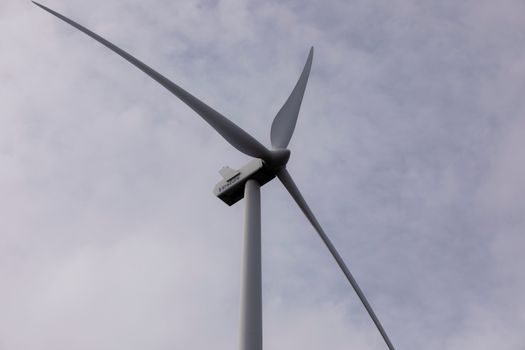
Beyond the rotor and drivetrain, the cost stack includes power electronics (converter + transformer + switchgear), the control system (PLC + SCADA + pitch / yaw drives), grid-interconnection protection, and a small slice for certification and type testing against IEC 61400-1 design classes and IEC 61400-25 communications [S2][S4]. For offshore units, the jacket or monopile foundation, dynamic array cable, and offshore substations roughly double the installed capex versus an onshore tower+pad-footing foundation.
Procurement volume moves unit price materially.
Comparison: Onshore 3-5 MW vs Offshore 8-12 MW vs Small Wind Under 100 kW
Cost and engineering characteristics differ sharply across the three platform tiers, and the right pick depends on site IEC wind class, hub-height limit, grid interconnection voltage, and offtake structure rather than headline price. [S1]
Onshore 3-5 MW units ship with a 130-160 m rotor, 100-120 m hub, DFIG or medium-speed PM drivetrain, and a 1.1-1.4 M USD per-MW capex band before installation [S2][S4]. Offshore 8-12 MW units push rotor diameter past 200 m, adopt direct-drive PM generators to cut O&M dive frequency, and run 2-3x the onshore capex once foundation and dynamic cable are included [S2][S4]. Small-wind units under 100 kW from suppliers such as First Wind Turbine and Better Success use permanent-magnet alternators, fixed-pitch or simple-pitch blades, and no gearbox; capex per kW is higher than utility scale, but installation is bolt-on and the unit is engineered for telecom, hybrid solar-wind, and marine auxiliaries rather than grid sale [S5][S6]. For the rotor-blade and hub-side spec table, the related wind turbine manufacturing quality standards 2026 spec and sourcing map lays out the standards each tier is typically held to.
Total Cost of Ownership: Installation, O&M, and Energy Yield
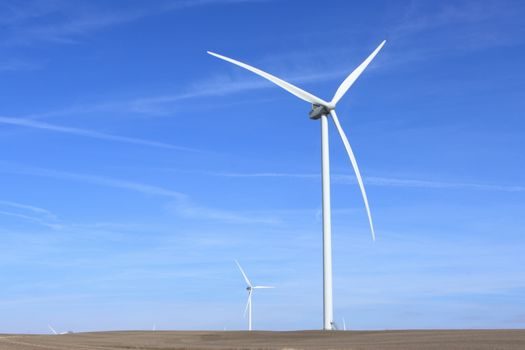
Purchase price is roughly half the 20-year cost; the rest is installation, scheduled O&M, unscheduled repair, and the energy-yield loss from derating and downtime. Onshore installation (pad foundation, crane mobilisation, road upgrade, grid tie-in) commonly runs 15-25% of turbine capex, while offshore installation (jack-up vessel, monopile driving, dynamic cable lay, substation hookup) runs 30-45% [S2][S4].
Icing is a non-trivial derating driver: per the IEEE DBN-icing study, unmitigated icing forces output losses of tens of percent per icing event, and a DBN-based deicing control recovers a measurable share of that energy versus a passive thermostat baseline [S1]. Selecting permanent-magnet direct-drive rather than DFIG raises generator capex but cuts gearbox-related O&M, which is a TCO trade-off buyers frequently misjudge by looking only at the line-item price [S2].
Selection Rules and Failure Modes to Spec Against
Specify against IEC 61400-1 design class, rotor diameter, hub height, and gearbox / generator architecture before negotiating price; a lower headline price with a down-spec gearbox or a non-typed offshore platform is a known failure mode that surfaces as 18-36 month warranty disputes [S2][S4]. Buyers commonly mis-spec hub height (under-buying steel tonnage) and gearbox ratio class (over-driving a Class-III gearbox in a Class-I site), both of which shorten bearing life.
For prototyping and small-volume buyers, Chinese tier-2 platforms in the 1-3 MW range with explicit IEC-equivalent test reports are the cost-sensible pick, provided the buyer takes responsibility for grid-side type testing in the destination market [S3][S5][S6]. For OEM-scale fleet orders, Vestas and Goldwind platform data published in 2026-07 confirms both are running US and offshore manufacturing footprints, which is the price-signal that lets a fleet buyer amortise nacelle assembly jigs over a 50+ unit annual run rate [S2][S4].
Trackable signals over the next two quarters: (a) steel-plate index movement and its lag into tower-fabrication quoted prices; (b) any IEC 61400-1 design-class re-issue or amendment affecting gearbox bearing-life test methods; (c) rare-earth PM price direction, which directly moves direct-drive generator capex. The 2026-07 supplier activity on Made-in-China shows no platform-tier consolidation in the mid-size band, which keeps the 1-3 MW small-volume buyer's price competitive through year-end [S3][S5][S6].
For the relevant spec sheets and selection criteria, see additive manufacturing material, turbine flowmeter, and pressure transmitter.