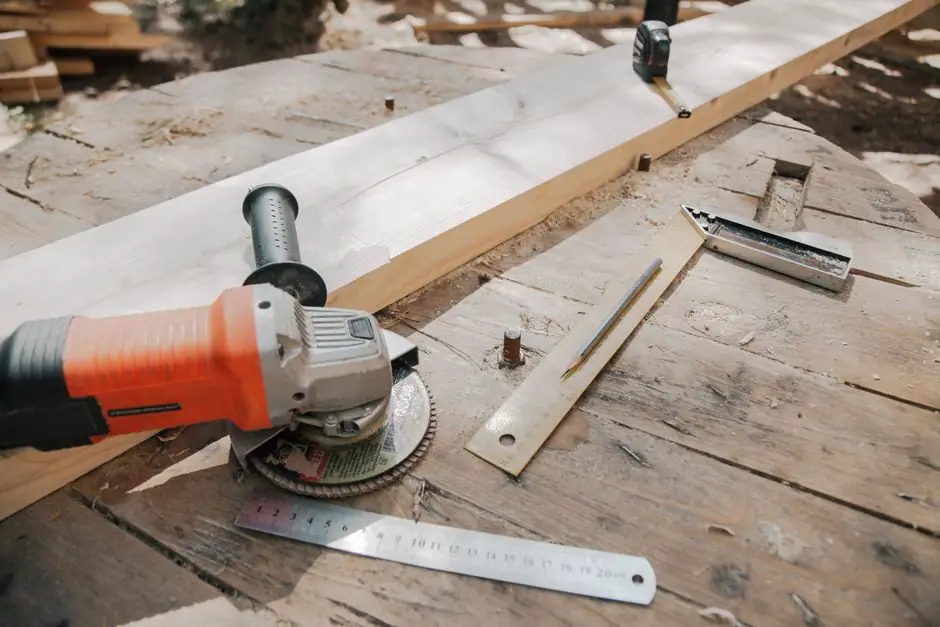
A dedicated carbide-tipped, negative-hook acrylic blade reduces chip-welding and melting compared with a general-purpose blade [S1][S2].
The right blade works with a sharp-edged circular saw, full sheet support, controlled feed, and stable workpiece clamping to protect an otherwise straight cut.
Blade geometry that suppresses acrylic melting
A blade intended specifically for acrylic uses a negative hook angle, reducing the tendency of the cut material to chip-weld or melt [S2]. Carbide tips are recommended for cleaner cuts and longer cutting-edge life than ordinary toothed blades [S1].
Carbide-tipped plastic blades are marketed for smooth, melt-free cuts in sheet plastic, while triple-chip teeth are intended to reduce heat and leave a crisp edge without chip-welding [S3][S5]. The key distinction is not simply having more teeth: tooth arrangement, hook angle, blade thickness, and the machine's feed behavior all influence whether the acrylic stays cool at the kerf.
A blade described as “no melt” is not a guarantee against heat damage. It indicates a geometry intended to reduce cutting forces and heat buildup. If the saw is binding, the blade is dull, or the sheet is inadequately supported, acrylic can still crack, craze, or form a rough bead along the cut [S1][S4].
Compare acrylic, metal-cutting, and general-purpose blades
Against three decision criteria, a dedicated acrylic blade is the most defensible choice: it combines a negative hook angle, plastic-specific tooth geometry, and carbide cutting tips [S1][S2].
The comparison is straightforward. A dedicated acrylic blade is designed to reduce melting and chip-welding, while a carbide-tipped metal-cutting blade can also produce a workable cut but is not purpose-selected for plastic [S4]. A general-purpose woodworking or plywood blade is the wrong choice because its geometry can generate enough heat to melt acrylic and leave an unserviceable edge [S6].
Tooth count, blade thickness, and saw fit
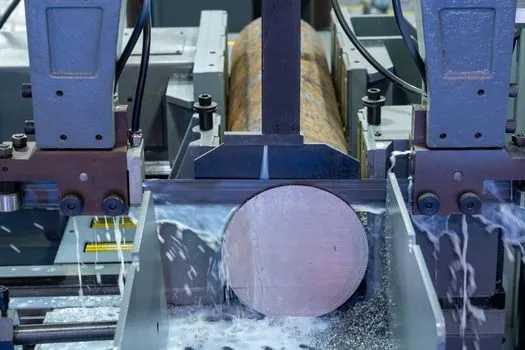
Fine-tooth blades with many teeth are a practical starting point for a 7-1/4-inch circular saw, and practitioner guidance identifies at least 80 teeth as preferable to a coarse 40-tooth finishing blade [S4]. A 7-1/4-inch, 140-tooth siding-finishing blade was reported as effective for plastics because the combination of more teeth and a thinner blade reduced vibration and stress [S4].
Blade diameter must match the saw, while arbor size and maximum RPM must also match the machine. A physical fit alone does not establish safe operation: the blade must be rated for the saw's speed and must be installed according to the machine manufacturer's instructions. Do not adapt a blade merely because its cutting diameter appears large enough.
For a lower-powered saw, motor capability remains part of the system. Practitioner guidance for acrylic called for a saw around 15 amps rather than a battery-powered circular saw, noting that available power affects the cutting result [S4]. A stronger saw does not compensate for an unsuitable blade, but adequate machine power helps the operator maintain a steady feed without forcing the wheel.
Sheet support and feed control prevent cracks
Support under the full cutting area is essential because a circular saw can deflect the sheet and pull the blade sideways, creating a crack that starts near the exit edge. A continuous, rigid work surface and full-length offcut support address this failure mode; scrap foam-board material has been used to reduce vibration and stress during cutting [S4].
Clamp the sheet without over-tightening it, support both the workpiece and the offcut, and keep the saw's base plate flat on the material. A 1/4-inch table-saw kerf was identified as an alternative that works better than a circular saw for some plastic operations, and scoring followed by snapping was identified as safer than circular-sawing acrylic [S4].
For straight-line work, a cutting machine with a stable table and suitable support can be more suitable than a handheld circular saw. If the sheet is thin enough, score and snap may remove the powered saw entirely. Where a circular saw remains necessary, use a sharp plastic-specific blade, stable feed, and support close to the cut line rather than forcing the tool through the sheet.
Where a circular saw is the wrong process

A circular saw is not the best answer for every acrylic geometry or tolerance. A 40-tooth, 7-1/4-inch finishing blade was identified in a 4-by-8-foot sheet cutting example as a possible source of cracking, while 80-tooth, 140-tooth, scoring, and table-saw options were presented as alternatives [S4].
Jigsaws and routers can suit particular profiles, but neither eliminates the need to control chip direction, support the workpiece, and prevent heat buildup. For thin sheet, scoring and snapping is often preferable for straight edges; for profiled edges, a purpose-specific tool matched to the geometry is more controllable than forcing a circular saw blade into a curve.
Do not use a blade that is visibly warped, cracked, or missing carbide teeth. A dedicated acrylic blade should be kept sharp, clean of pitch, and reserved for plastic. Acrylite specifically recommends dedicating saw blades for cutting acrylic, which also reduces the risk of cross-contamination between material types [S1].
Procurement and operating checks
Specify the material, diameter, tooth count, arbor, and intended machine before ordering a replacement circular saw blade. The procurement description should identify “acrylic or plastic” and “no-melt” rather than relying on a generic framing or plywood label, because those blade families are not interchangeable for edge quality [S1][S2][S5].
Before cutting, confirm that the sheet is supported, the offcut is supported, the blade is sharp, the base plate is flat, and the clamp locations are outside the kerf. Start with a stable feed and do not force the saw. If the kerf turns cloudy, smooths into a bead, or produces a burning odor, stop and reassess the blade, feed rate, support, and motor load before continuing.
Track two practical signals after the first cut: whether the cut edge is cool and crisp without a rounded bead, and whether the sheet remains flat without cracking near the exit side. A dedicated carbide-tipped negative-hook blade addresses the first issue directly, while full support and controlled feed address the second [S1][S2][S4].