
A conventional fire alarm panel reports the alarm by zone, while an addressable panel identifies the specific device or point [S1]. For a small facility, the decision should be based on layout, device count, expansion plans, maintenance capability, and lifecycle cost [S3].
Conventional systems fit small, straightforward buildings with limited zones and simpler wiring, while addressable systems suit facilities that need point-level location data, diagnostics, or future expansion [S1][S4].
Core difference: zone identification versus point identification
Conventional systems group smoke detectors, heat detectors, pull stations, and other initiating devices into zones connected to initiating device circuits, or IDCs. When one device activates, the panel reports the affected zone, not the individual detector [S1]. A zone such as “Zone 3” may cover an entire wing, so responders must still locate the device that caused the alarm.
Addressable systems assign each device and module a unique address on a signaling line circuit, or SLC. A detector in Room 214 can therefore be reported by its programmed address and label [S1]. The same distinction applies to trouble: an addressable panel can identify the affected point and, depending on the panel and device, provide additional status or maintenance information [S1].
This is not a difference in whether a system detects smoke or heat. It is a difference in how precisely the panel identifies the initiating device, how wiring is organized, and how a technician narrows down a fault. Conventional systems prioritize simpler point-to-zone wiring; addressable systems trade more expensive devices and programming for point-level control and service information [S1].
Decision criteria for a small facility
Start with the building’s size and geometry. A single-story retail suite, small office, or standalone restaurant with a straightforward layout and relatively few zones is a strong conventional candidate [S1]. Conventional systems are generally more affordable for small installations and divide the building into zones connected through shared wiring [S5].
Next, count the operating problems that a zone-level alarm cannot resolve. If a small facility contains several rooms with hazardous processes, high-value equipment, difficult access, or occupants who must be directed to a precise location, point identification may justify addressable equipment even when the floor area is modest. Addressable systems can report the individual activated device, while conventional panels require a technician to inspect devices within the affected zone [S1][S3].
Expansion is a third criterion. Conventional systems group initiating devices onto initiating device circuits, while addressable systems identify the individual device or point. If the facility may add floors, tenants, departments, or additional initiating devices, an addressable architecture offers more flexibility [S4]. For a stable building with a fixed layout and no credible growth, that flexibility may have little practical value.
Finally, assess maintenance competence. Addressable systems require specialized programming and installation, and their maintenance benefits depend on trained personnel who can use the device-level information [S3][S4]. A conventional system can be simpler for a small technical team to operate, provided that zone-level fault isolation is acceptable.
Side-by-side comparison for the selection meeting

The comparison favors conventional for lower initial cost, simple installation, and a small fixed zone count [S1][S4]. It favors addressable for exact location reporting, easier troubleshooting, diagnostics, and expansion within the panel and SLC limits [S1][S3]. Neither architecture removes the need for code-compliant design, competent commissioning, and an approved fire alarm service program.
Who should choose each system
Conventional fire alarm panels are suitable for small residential properties, small commercial buildings, and straightforward facilities with basic protection needs [S3][S5]. They are also appropriate for owners whose principal objectives are low initial cost, simple setup, and a limited number of zones [S4]. The trade-off is deliberate: responders receive a general area, and maintenance staff must find the exact device within that area.
Addressable systems become more compelling as device count, zone count, building complexity, and service needs increase. Addressable systems provide individual device identification and can offer advanced monitoring and diagnostic capabilities. These benefits matter most when time to locate an alarm or isolate a fault has a material safety or business consequence.
Addressable is not the automatic choice for every building with more than a few rooms. Conversely, conventional is not the automatic choice merely because a facility is small. A compact but operationally complex site can justify addressable equipment, while a larger simple warehouse with stable zoning may not require every point-level capability.
Use cases, limitations, and failure modes
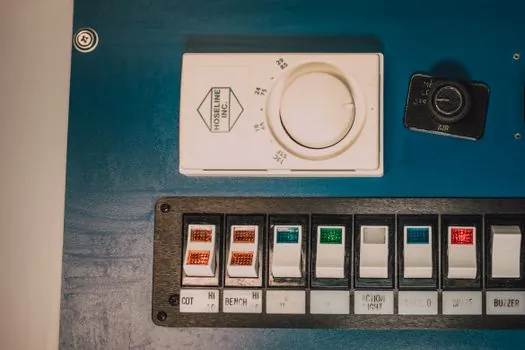
A conventional system is practical for a small suite where a smoke detector alarm must be placed in a clear general zone and responders can inspect the area directly [S1]. Its limitation is diagnostic granularity: if a zone contains many detectors or pull stations, the panel does not identify which point initiated the event, and technicians may need to inspect the entire zone [S5].
An addressable system is stronger for a multi-floor facility, apartment complex, or multi-tenant building because it provides precise location alerts and can accommodate additional devices, floors, and zones without major rewiring within the design limits [S4]. Its limitations are higher initial costs, more complex programming, and dependence on trained personnel for maintenance and troubleshooting [S3][S4].
Both systems can encounter wiring, device, power, programming, or communication failures, but they expose different diagnostic detail. Conventional circuits require zone-level isolation before the exact fault can be found [S1]. Addressable circuits let the panel identify the specific point, although that benefit depends on accurate addresses, labels, and system programming [S1].
Cost, standards, and approval discipline
Compare installed lifecycle cost rather than panel price alone. Conventional systems generally have lower initial costs because devices are less expensive and programming is simpler [S1][S4]. Addressable systems generally cost more per device and require more complex programming, but their precise diagnostics and expansion capability may reduce troubleshooting effort and disruption as the installation grows [S1][S4]. A facility expecting repeated tenant changes, production reconfiguration, or significant device growth should model those costs over the intended service period.
Selection is not a free choice outside the governing design requirements. Project specifications, applicable codes, and the authority having jurisdiction have final approval over the installed system [S1]. The comparison of device costs, zones, SLC capacity, and programming effort should therefore be completed against the approved project documents rather than treated as a generic technology preference.
For procurement, define the required quantity of zones for conventional or points, SLC capacity, device types, labels, interfaces, and service documentation before comparing quotations. More detailed scope also makes it easier to distinguish genuine addressable value from optional features or generic marketing claims.
Closing paragraph: Make the selection on 4 measurable items: floor area and layout, required zones or points, planned expansion, and maintenance response time. If a facility has few zones, simple access, and no near-term expansion, conventional is usually the defensible choice; if responders need exact device identification or future growth is credible, addressable is usually worth its added cost [S1][S4].